BIRDS DIVERSITY

RAPTORS

Raptors constitute a key predatory component of the Indus Delta’s mangrove ecosystem, occupying the upper levels of the food web and reflecting the ecological health of the landscape. This group includes species such as eagles, kites, falcons, harriers, and hawks, which are commonly observed soaring above mangrove forests, mudflats, and open coastal areas in search of prey. Their hunting strategies range from high-altitude soaring and visual scanning to low, fast flights over wetlands, allowing them to exploit a variety of ecological niches.

Within the DBC-1 project area, raptors play an important regulatory role by controlling populations of birds, reptiles, and small mammals, thereby maintaining balance within the ecosystem. Their presence is strongly linked to prey availability and habitat integrity, making them effective indicators of biodiversity richness and ecosystem stability.

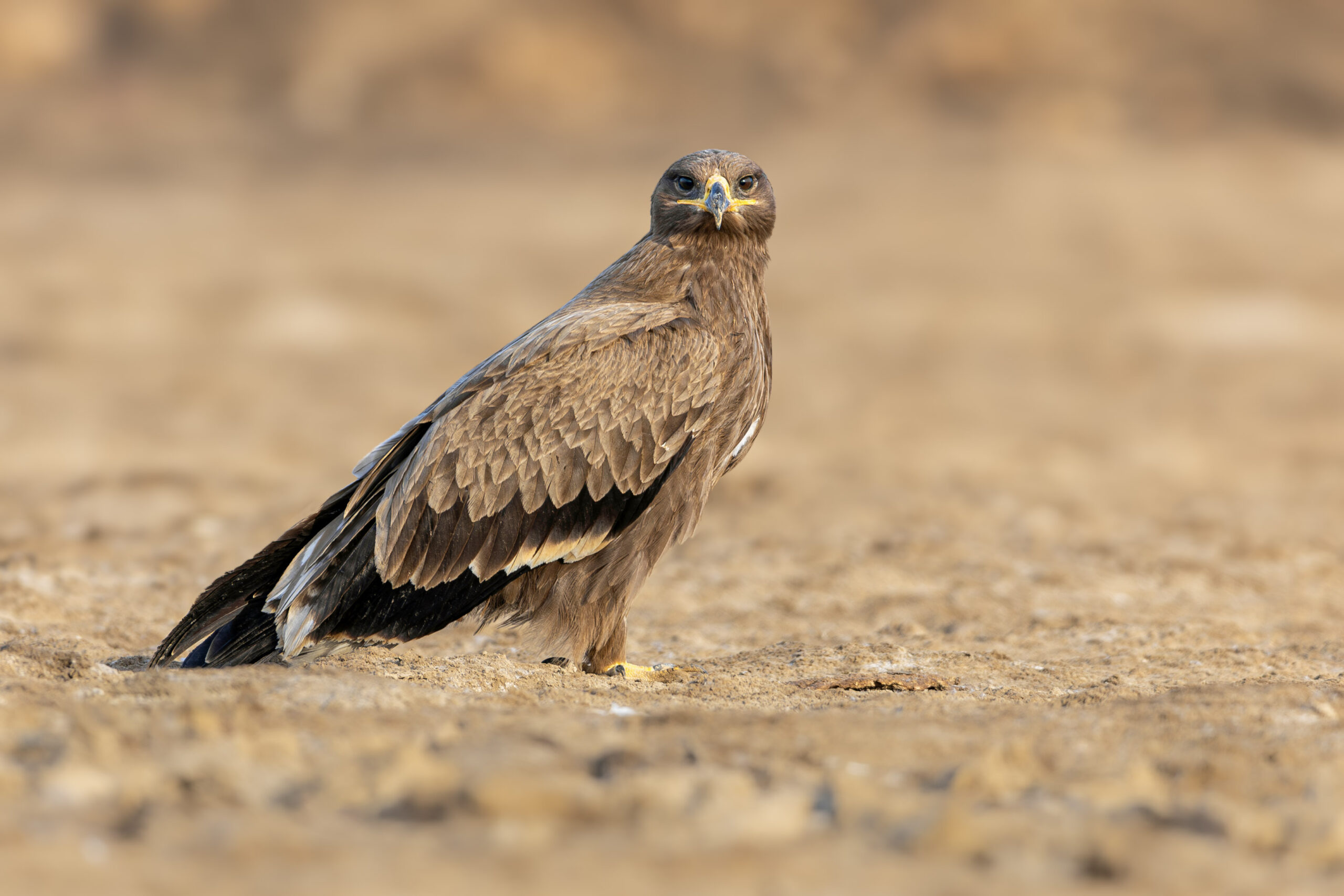
Steppe Eagle in the Indus Delta Endangered

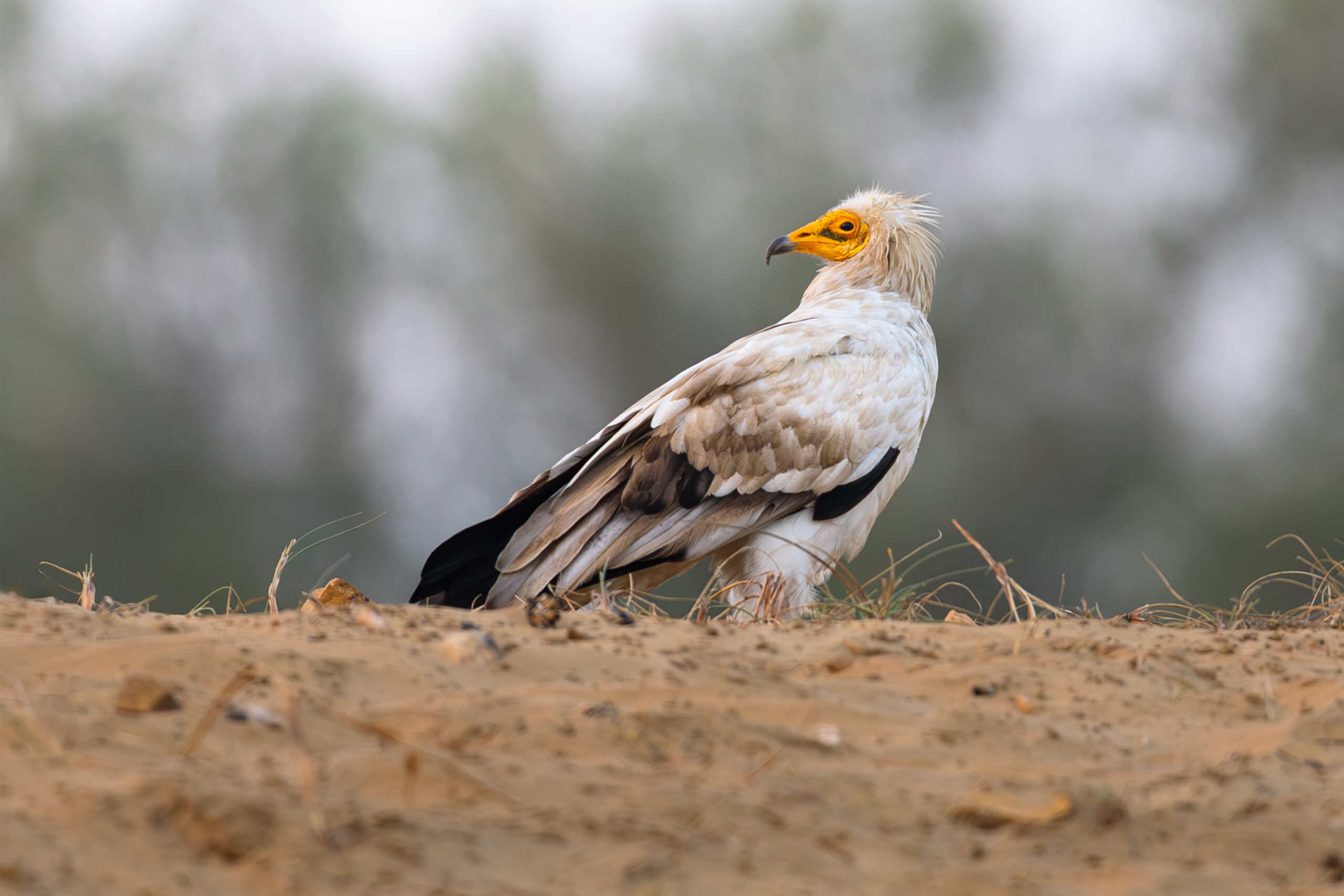
Egyptian Vulture

Neophron percnopterus


Habitat Open coastal areas, scrublands, and riverine landscapes near the delta.
Diet Carrion, organic waste, eggs, and small vertebrates, plays a critical role in ecosystem sanitation.
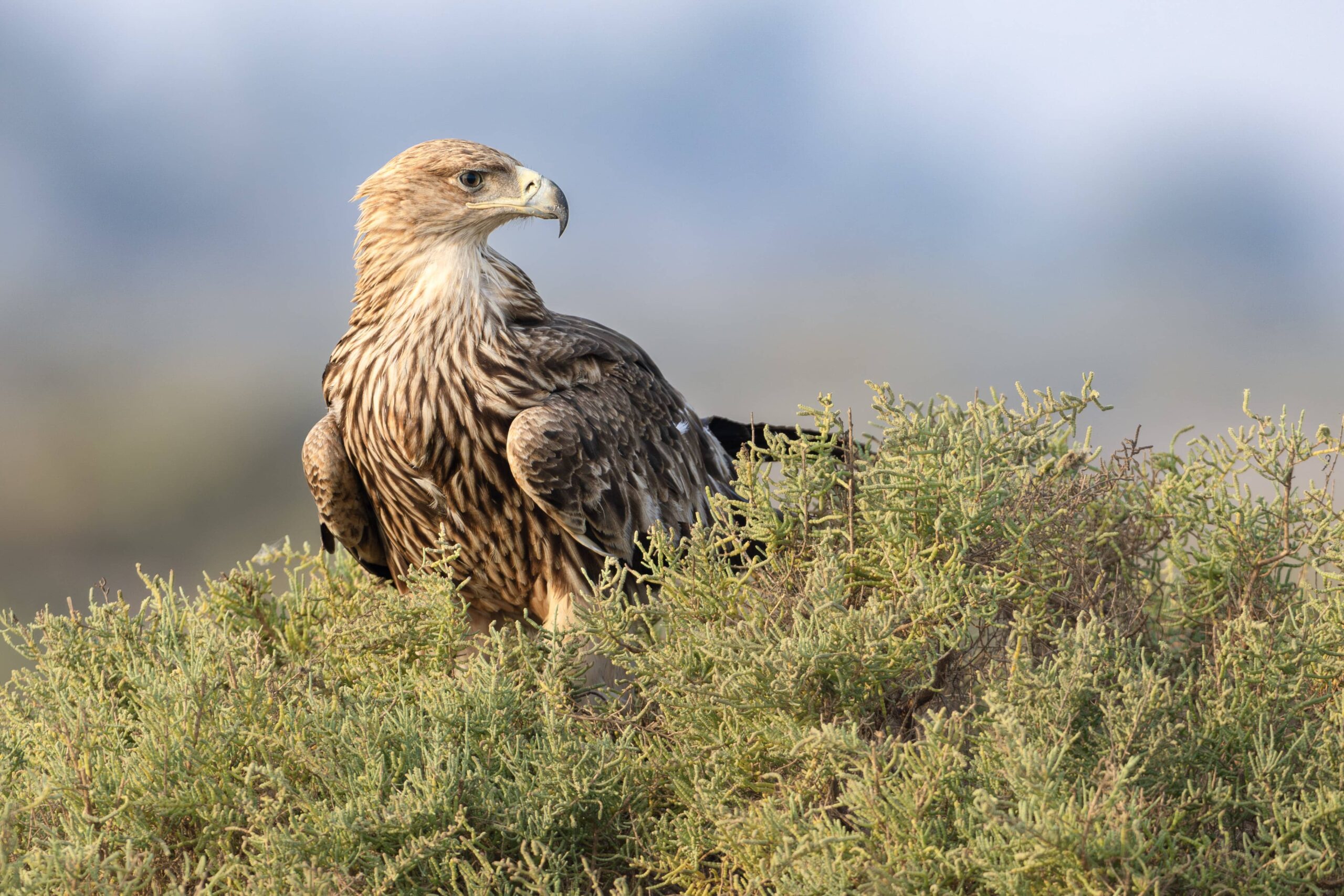
Steppe Eagle in the Indus Delta Endangered

Steppe Eagle

Aquila nipalensis


Habitat Open coastal plains, mangrove edges, and intertidal zones used for winter hunting grounds.
Diet Small mammals, reptiles, birds, carrion, and large invertebrates; an opportunistic apex predator.
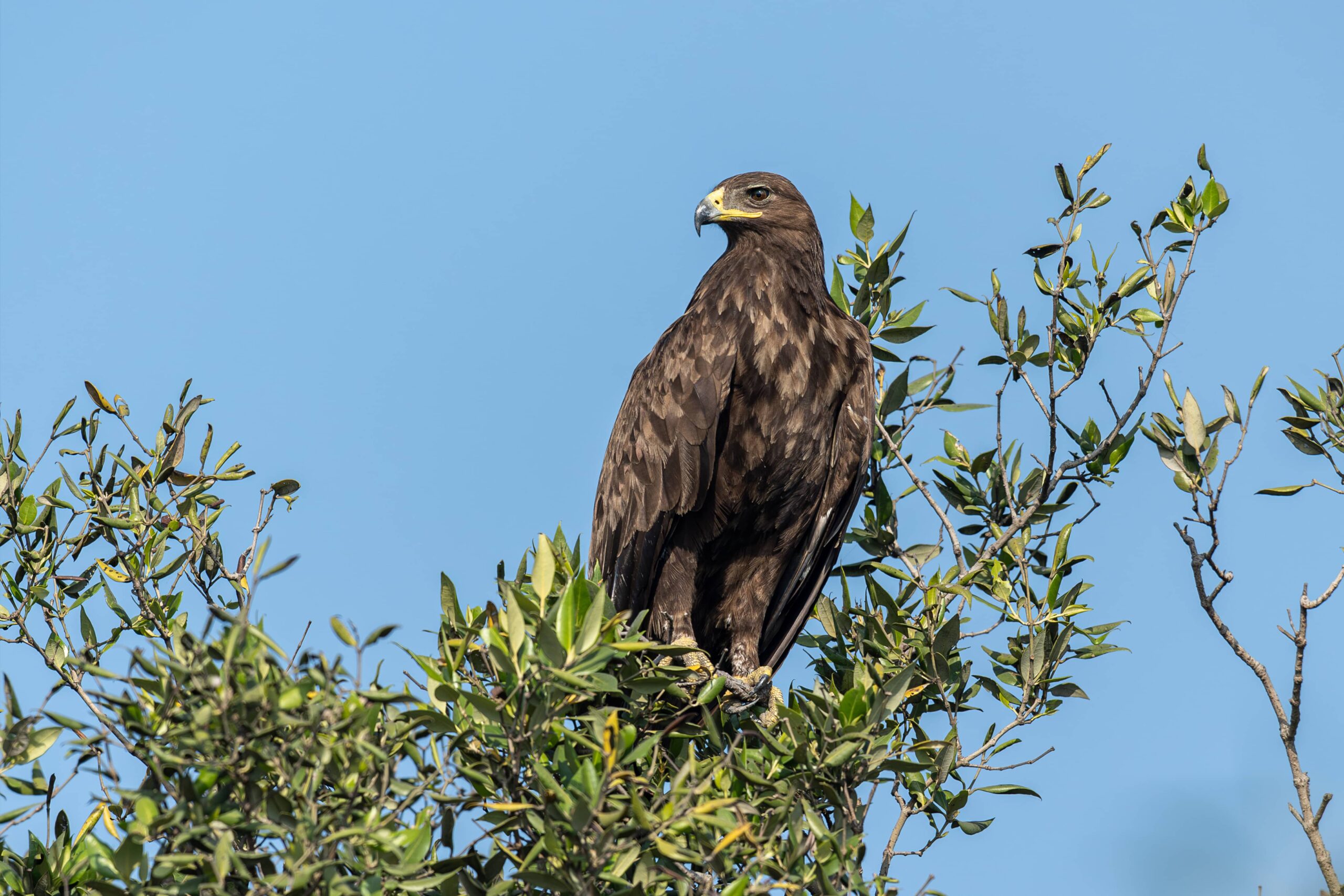
Steppe Eagle in the Indus Delta Vulnerable

Greater Spotted Eagle

Clanga clanga


Habitat Wetlands, marshes, mangrove creek margins, and open lowland areas near water bodies.
Diet Small mammals, birds, frogs, fish, and carrion caught in low soaring hunts near the ground.
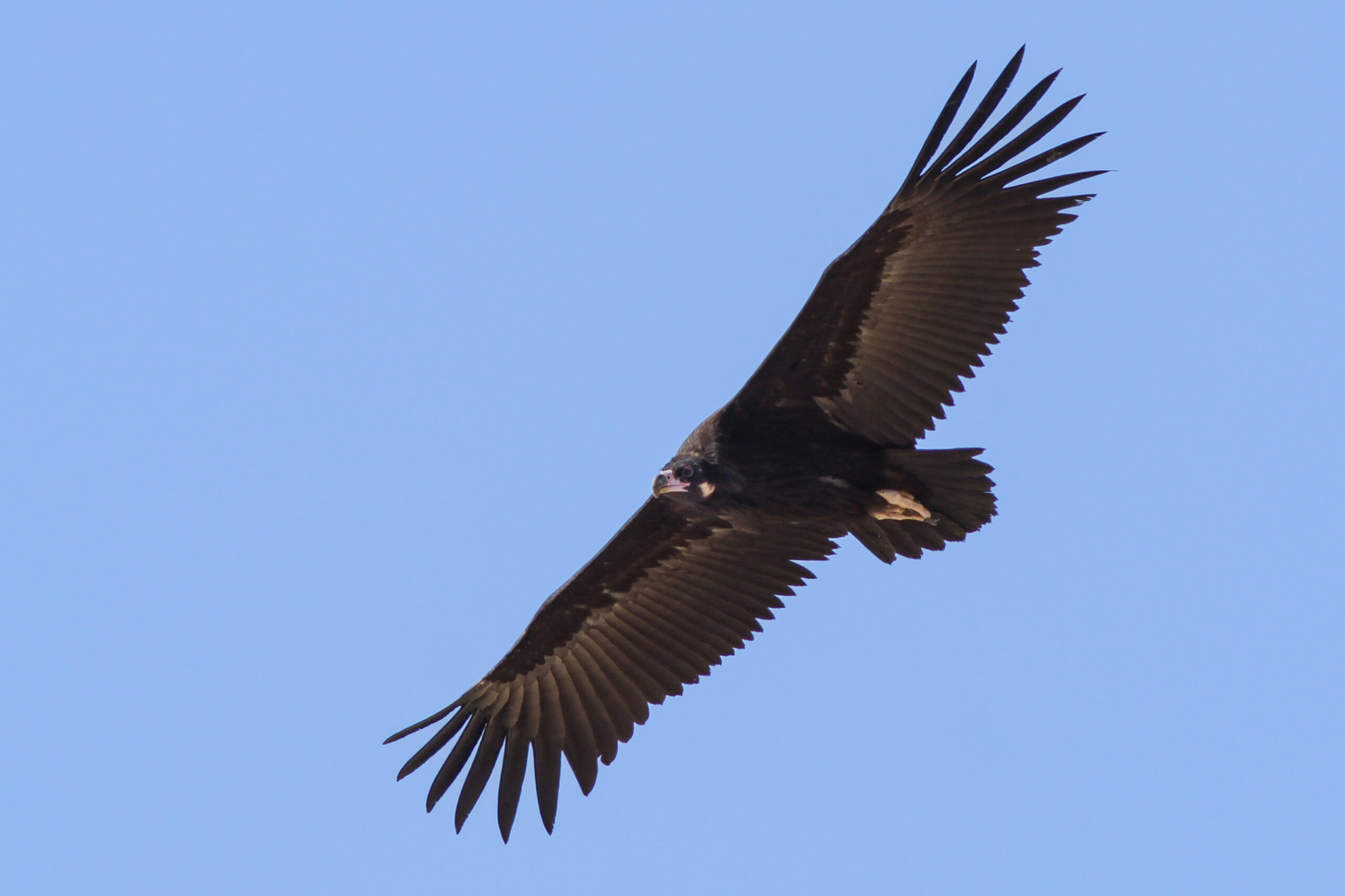
Steppe Eagle in the Indus Delta Near Threatened

Cinereous Vulture

Aegypius monachus


Habitat Open coastal plains, scrublands, and pastoral landscapes adjoining the mangrove forest.
Diet Carrion, including large carcasses; typically dominates feeding aggregations due to its large size.
Steppe Eagle in the Indus Delta Least Concern

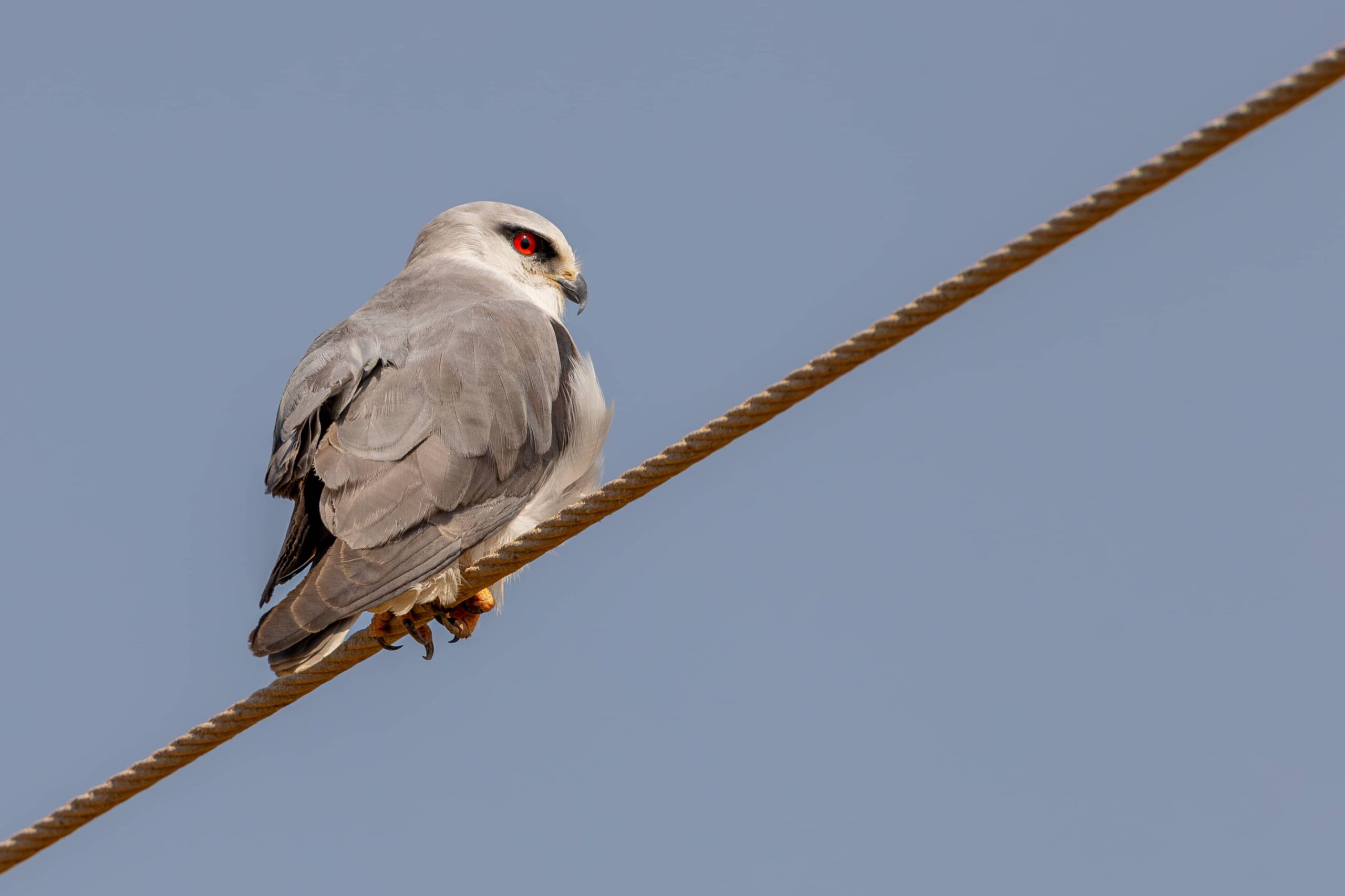
Black-winged Kite

Elanus caeruleus


Habitat Open grasslands, agricultural plains, and scrubland adjacent to mangrove-edge habitat.
Diet Small rodents, insects, lizards, and occasionally small birds caught by hovering then dropping onto prey.
Steppe Eagle in the Indus Delta Least concern

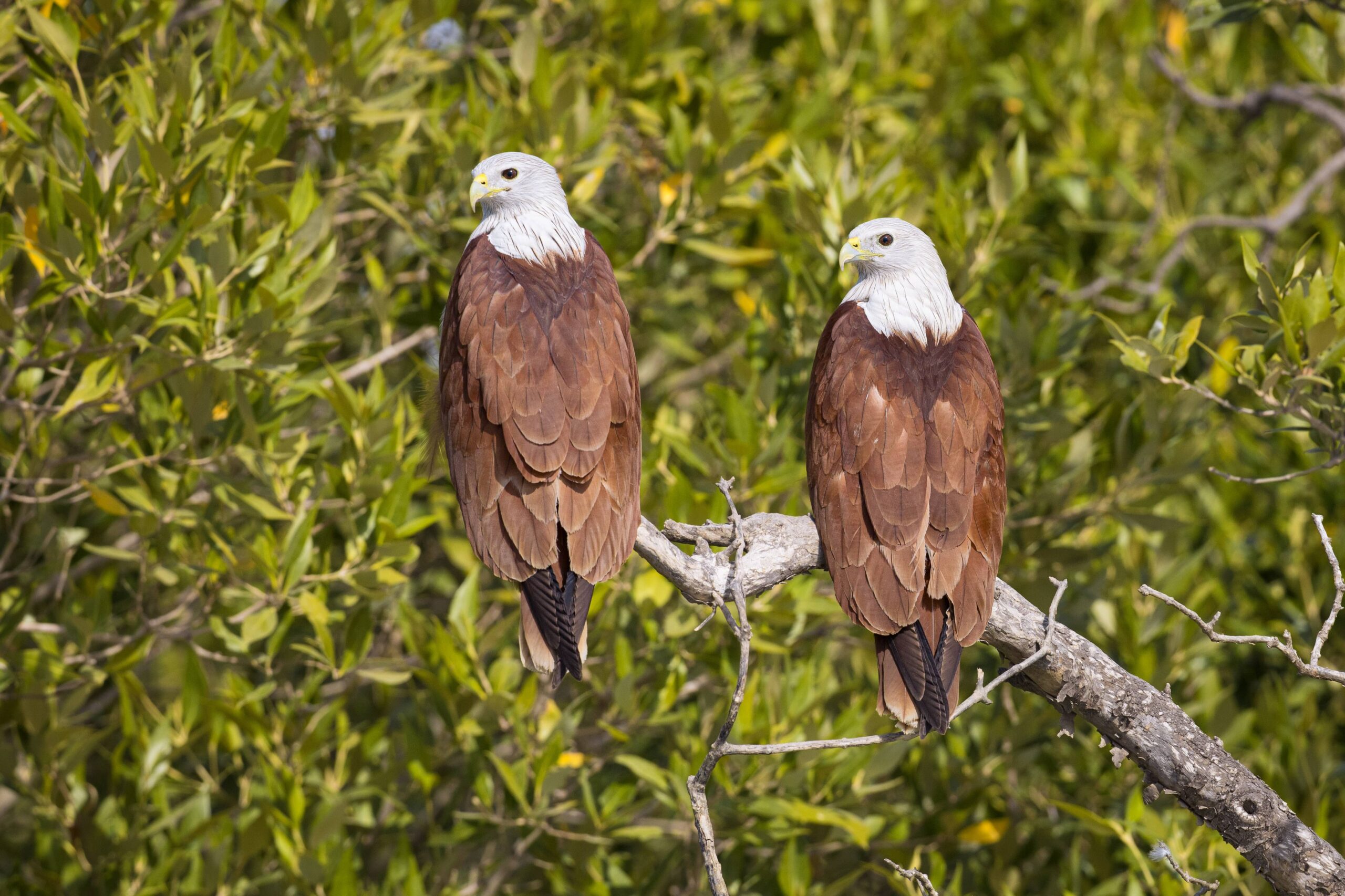
Brahminy Kite

Haliastur indus


Habitat Coastal waters, mangrove creeks, estuaries, tidal flats, and harbours.
Diet Fish, crabs, frogs, insects, carrion, and organic waste scavenged from the water surface or shoreline.
Steppe Eagle in the Indus Delta Least concern

Common Buzzard

Buteo buteo


Habitat Open coastal grasslands, scrubland margins, mangrove edges, and farmland adjacent to the delta.
Diet Small mammals, birds, reptiles, earthworms, and large insects caught from low soaring or perch-hunting.
Steppe Eagle in the Indus Delta Least concern

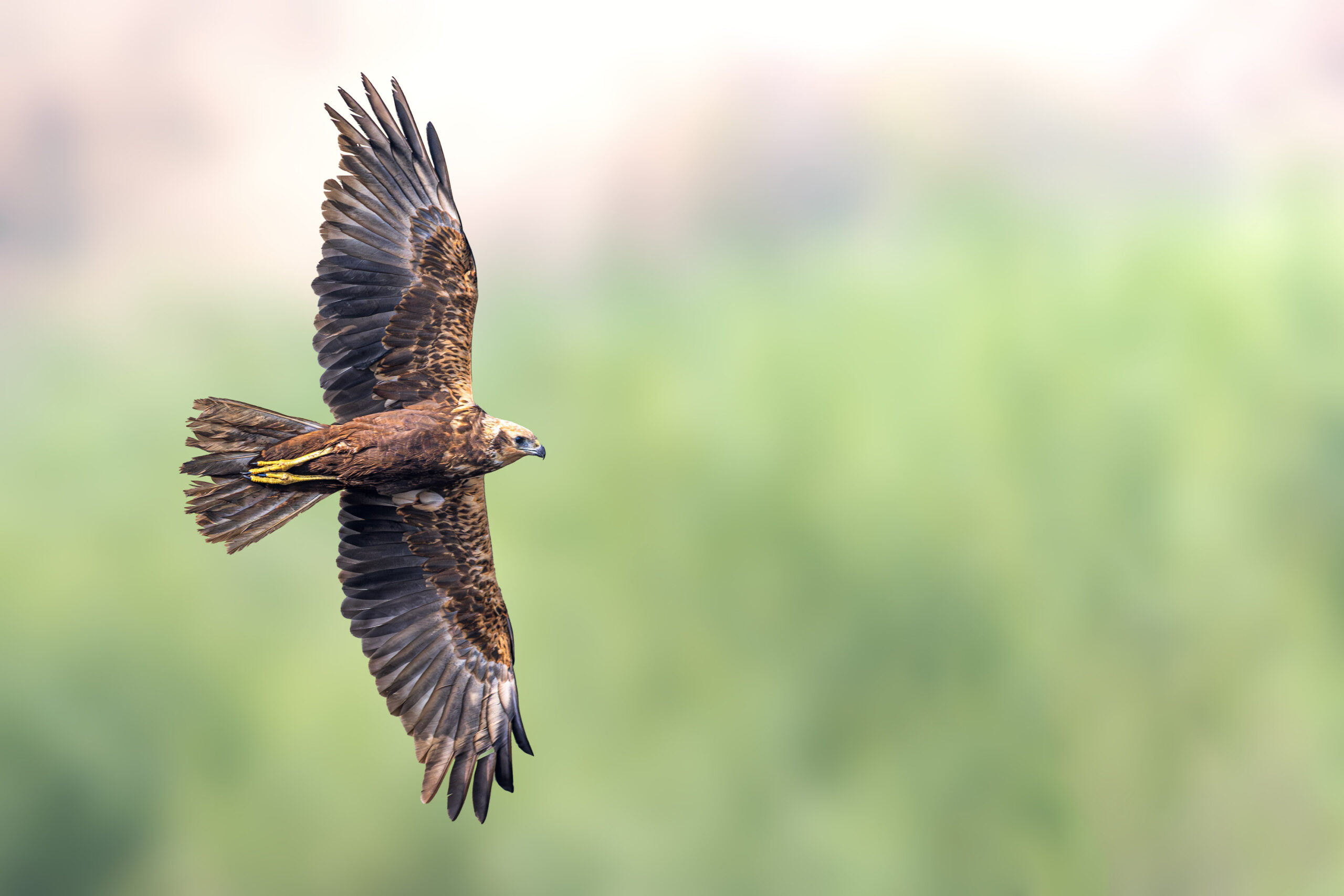
Eurasian Marsh Harrier

Circus aeruginosus


Habitat Reedbeds, mangrove margins, coastal marshes, and open wetlands with emergent vegetation.
Diet Small mammals, birds, frogs, fish, and large insects caught in low quartering flight over wetland vegetation.
Steppe Eagle in the Indus Delta Least concern

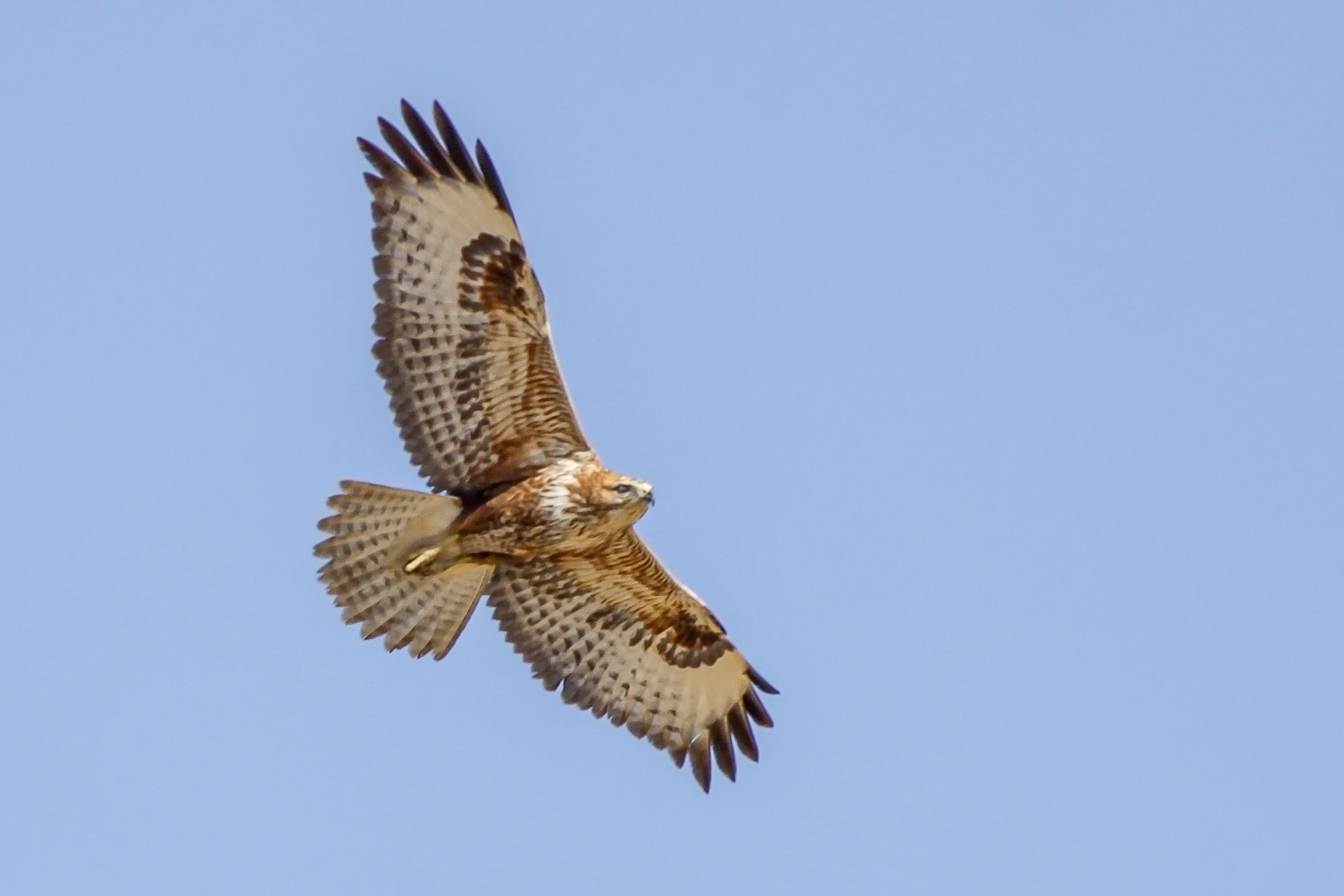
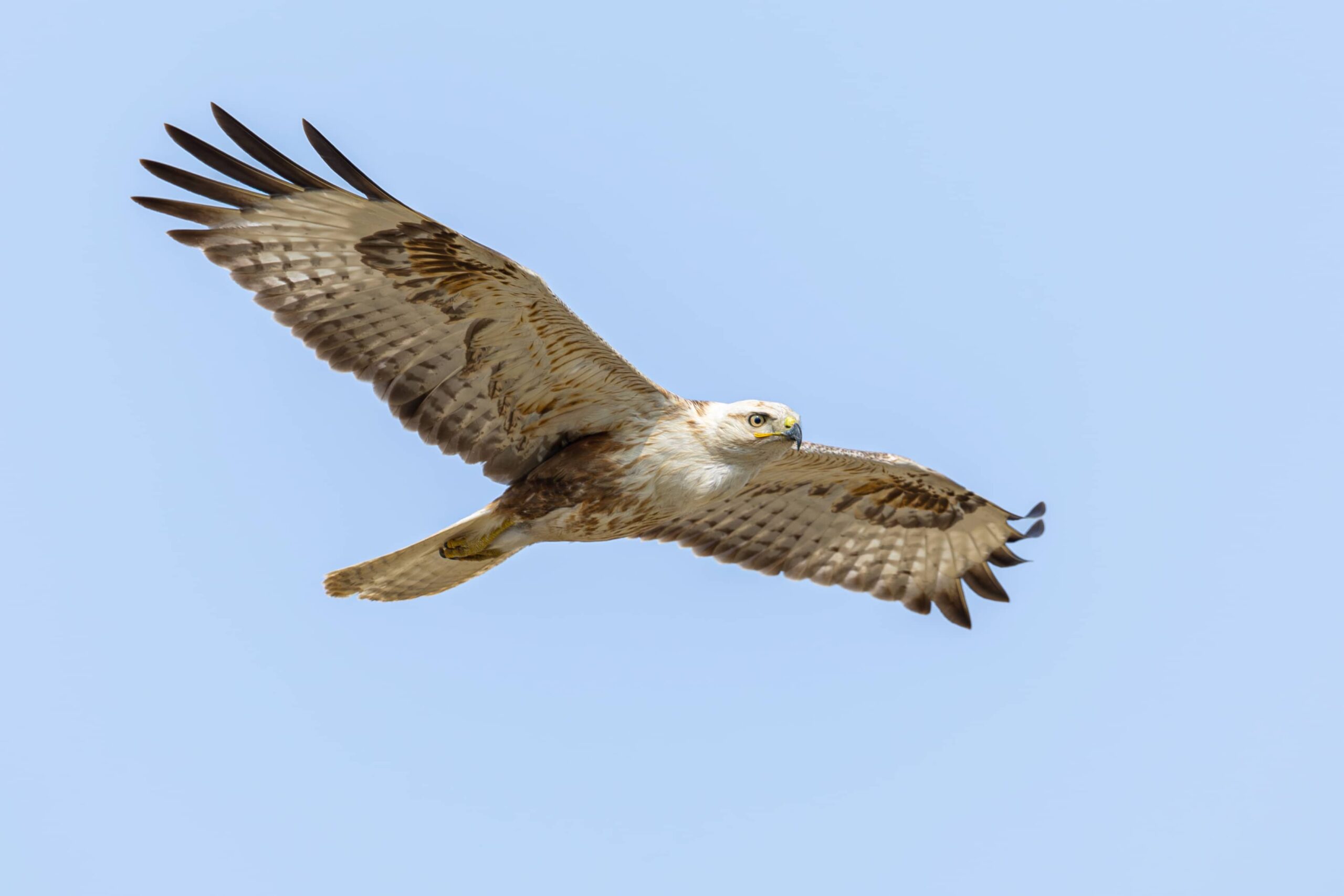
Long-legged Buzzard

Buteo rufinus


Habitat Open mudflats, coastal grasslands, scrubland, mangrove fringes, and dry barren patches around the delta
Diet Small mammals, birds, reptiles, and large insects captured through soaring flights, low glides, or perch-hunting from elevated vantage points..
Steppe Eagle in the Indus Delta Least concern

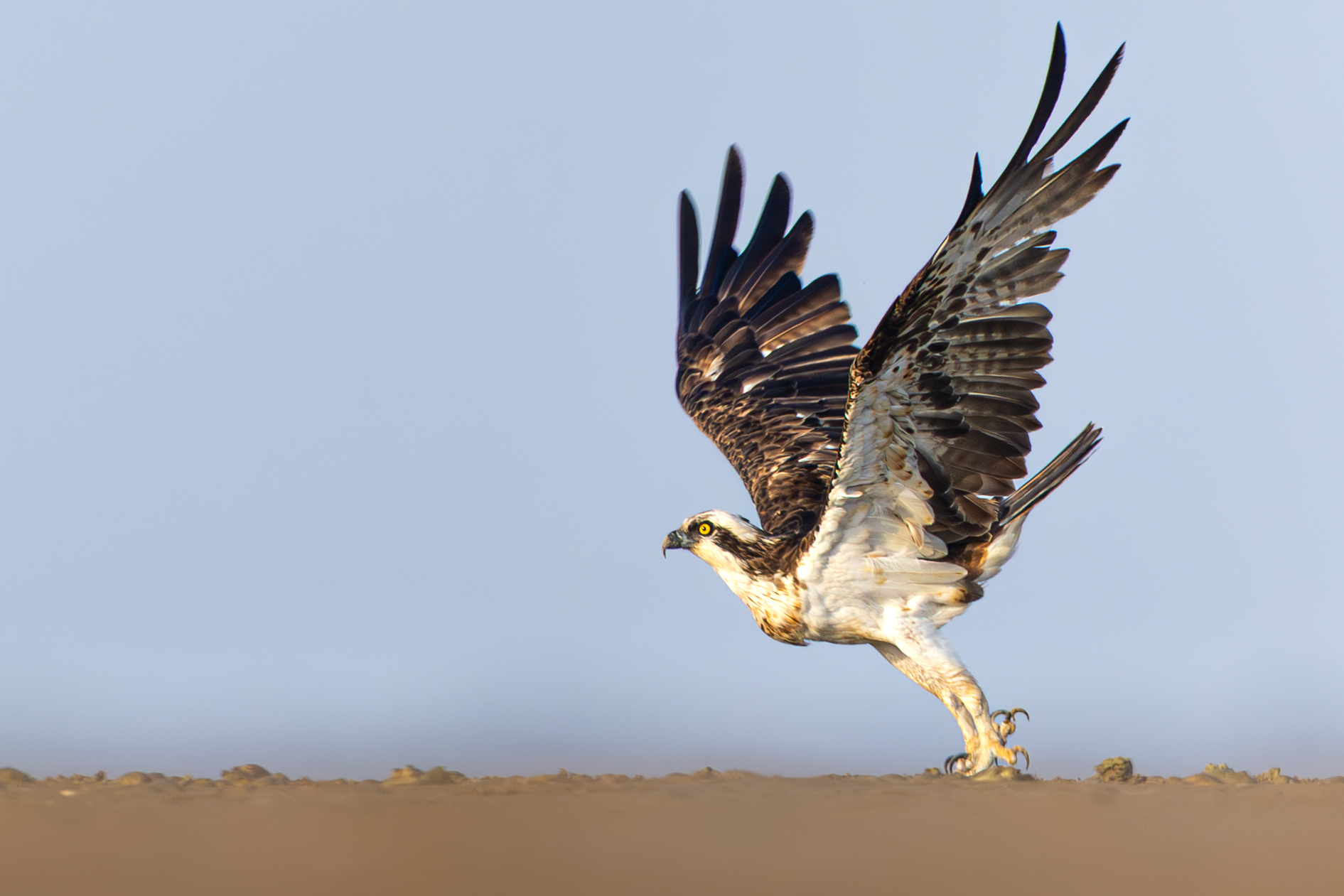
Osprey

Pandion haliaetus


Habitat Coastal waters, mangrove creeks, large tidal channels, and open estuarine areas.
Diet Almost exclusively live fish caught in spectacular feet-first plunge dives from heights of 10–40 metres.
Steppe Eagle in the Indus Delta Least concern

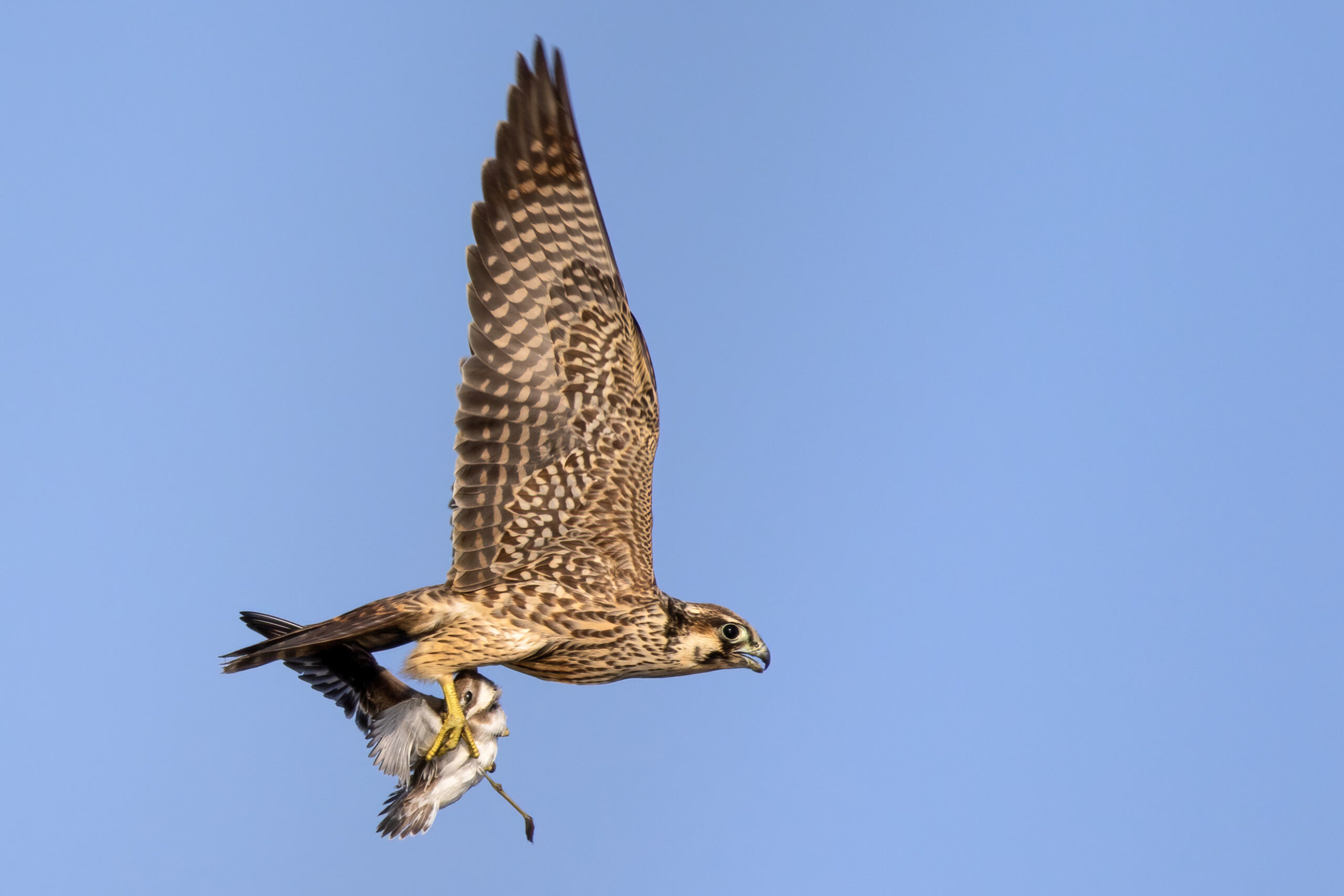
Peregrine Falcon

Falco peregrinus


Habitat Open coastlines, estuaries, cliff edges, and mangrove canopy perches.
Diet Medium-sized birds caught in high-speed aerial stoops reaching over 300 km/h — the fastest animal on Earth.
Steppe Eagle in the Indus Delta Least concern

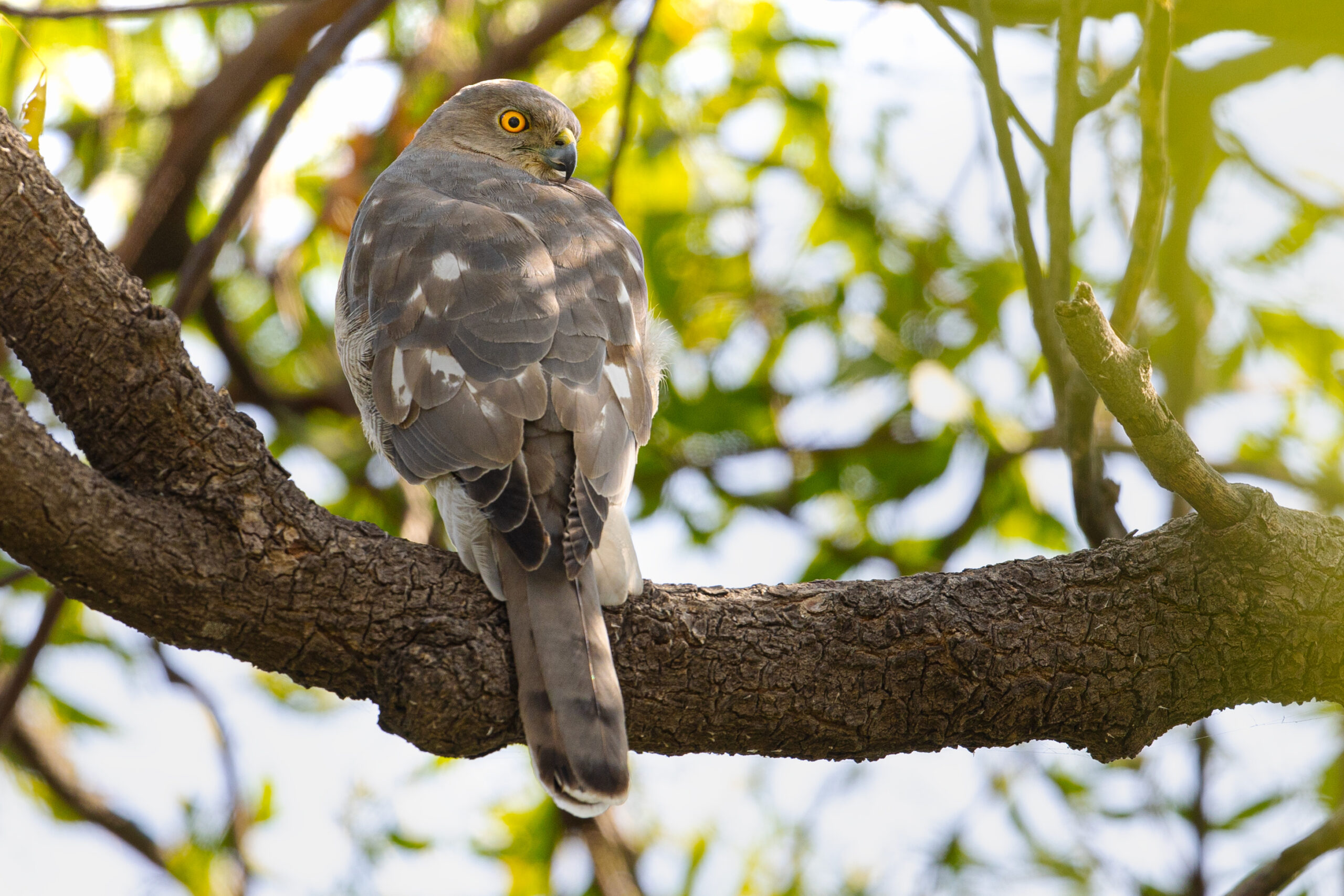
Shikra

Accipiter badius


Habitat Open woodland, mangrove edge vegetation, scrubland, and gardens near the delta.
Diet Small birds, lizards, frogs, large insects, and small mammals ambushed from dense vegetation perches.
Steppe Eagle in the Indus Delta Least concern

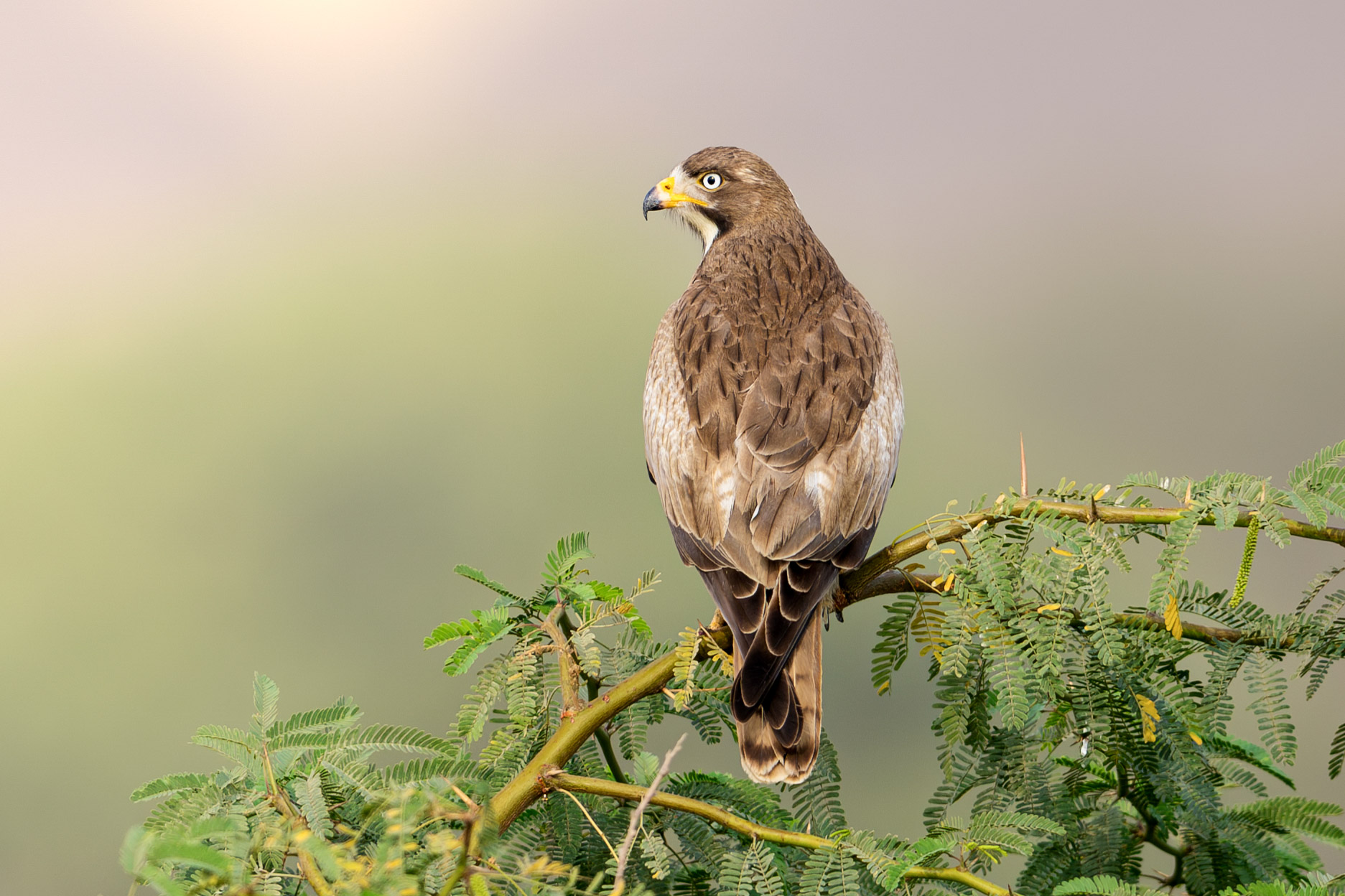
White-eyed Buzzard

Butastur teesa


Habitat Open dry scrublands, agricultural fields, and coastal plains adjacent to the mangrove ecosystem.
Diet Insects, small reptiles, rodents, and frogs caught in open terrain by short dives from elevated perches.