THE INDUS DELTA

REPTILE DIVERSITY

Reptiles form an important and well-adapted component of the Indus Delta mangrove ecosystem, occupying a range of habitats from intertidal mudflats and creek banks to dense mangrove stands and adjoining dry scrub areas. Their ability to tolerate varying salinity levels and fluctuating temperatures allows them to thrive in this dynamic coastal environment. The reptile fauna includes a mix of freshwater and brackish water turtles, lizards, and snakes, some of which are closely associated with mangrove habitats and seasonal freshwater inputs. Marine-associated species such as sea snakes and coastal turtles also contribute to the ecological complexity of the delta, particularly in nearshore waters and estuarine zones.

Steppe Eagle in the Indus Delta vulnerable

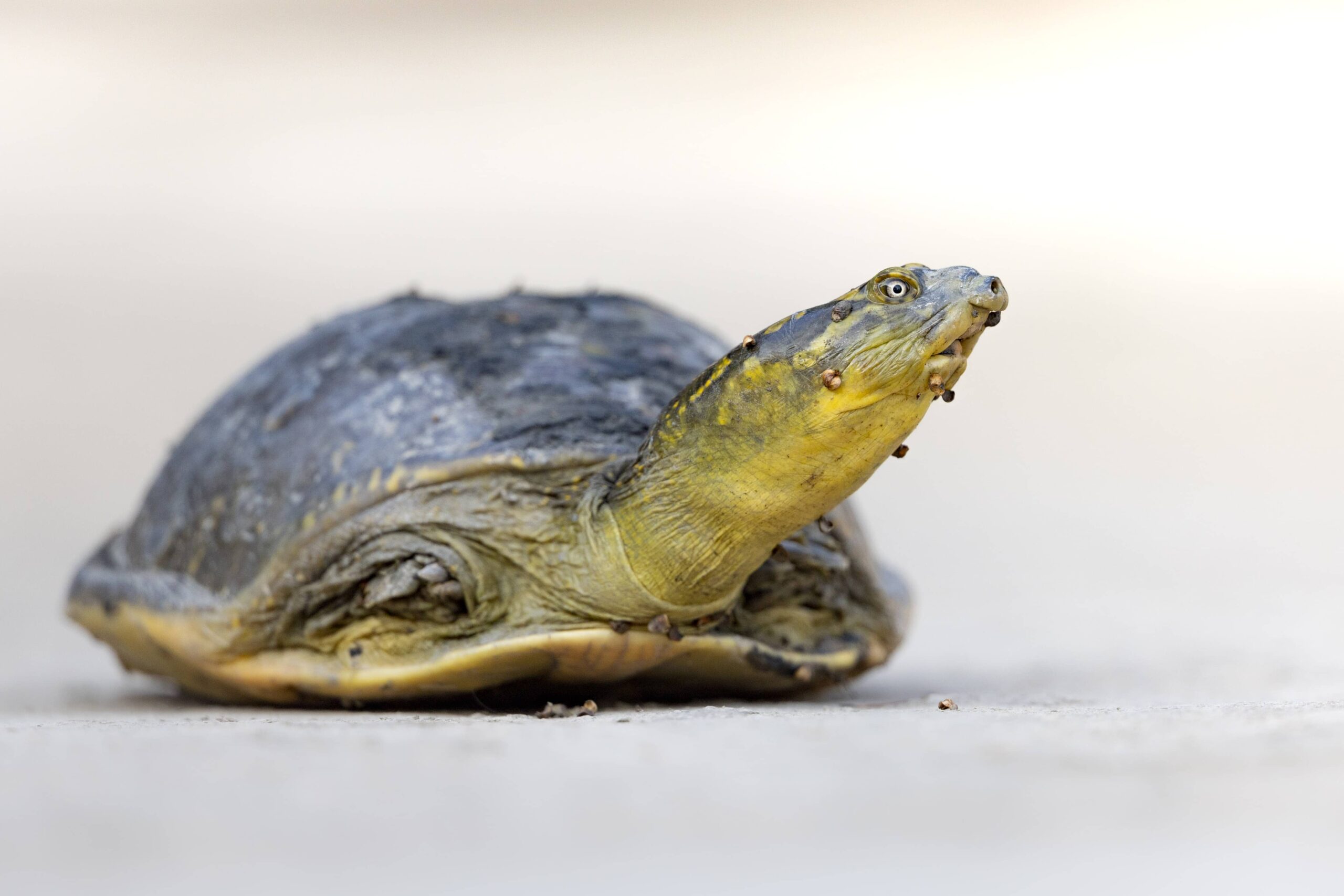
Indian Flapshell Turtler

Lissemys punctata


Habitat Freshwater ponds, slow rivers, mangrove creek pools, and wetland habitats near the project area.
Diet Aquatic invertebrates, frogs, fish, plant matter, and carrion, an opportunistic freshwater omnivore.
Steppe Eagle in the Indus Delta Near threatened

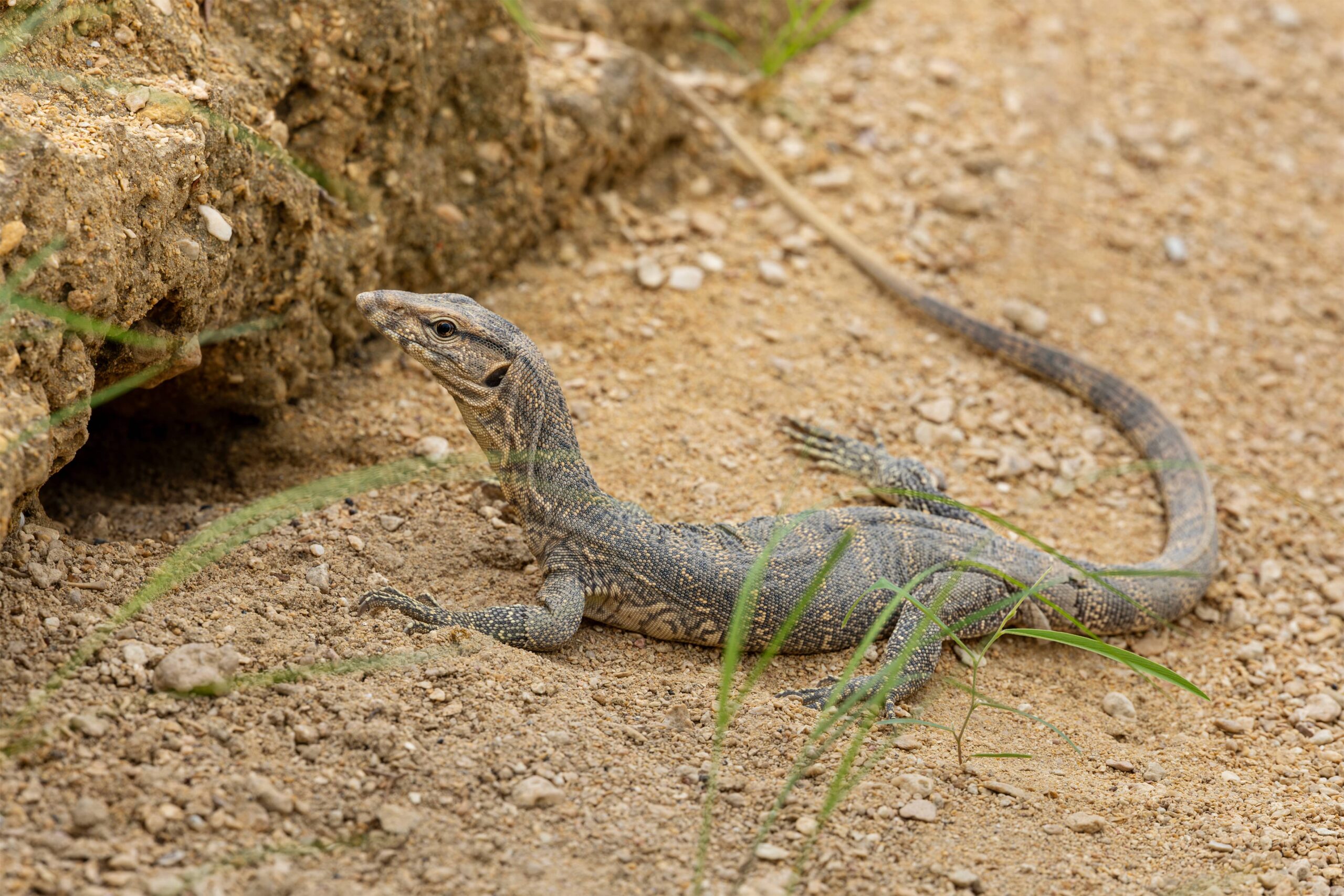
Bengal Monitor Lizard

Varanus bengalensis


Habitat Sandy coastal shores, mangrove margins, scrubland, agricultural edges, and open ground near human settlements.
Diet Insects, crustaceans, small mammals, eggs, carrion, frogs, snakes, and any available animal prey, an opportunistic apex predator.
Steppe Eagle in the Indus Delta Least concern

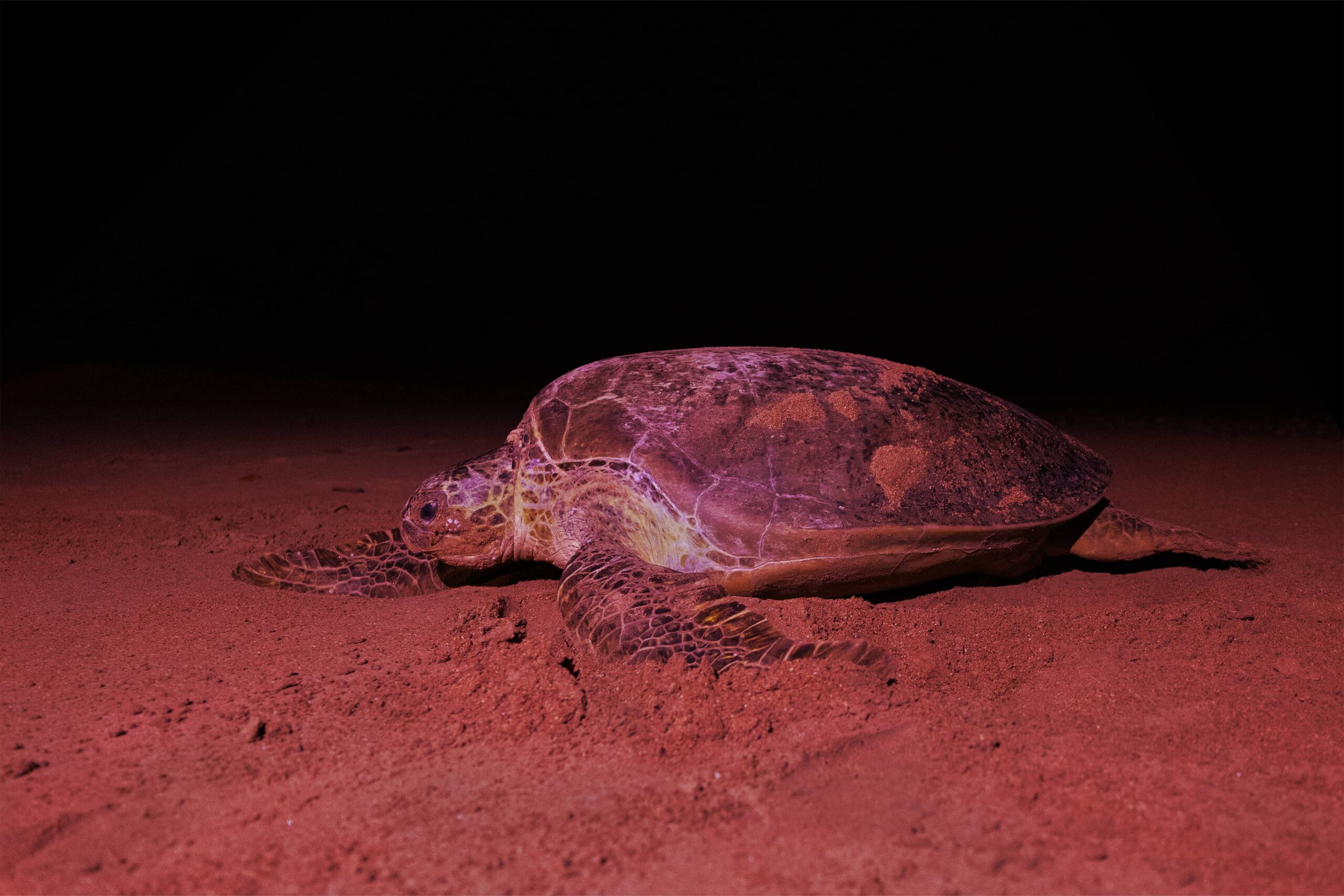
Green Sea Turtle

Chelonia mydas


Habitat Coastal waters, seagrass beds, coral reef areas, and sandy nesting beaches, reported in nearshore waters of the project area.
Diet Primarily seagrass and marine algae; juveniles are omnivorous, taking invertebrates and jellyfish.
Steppe Eagle in the Indus Delta Least concern

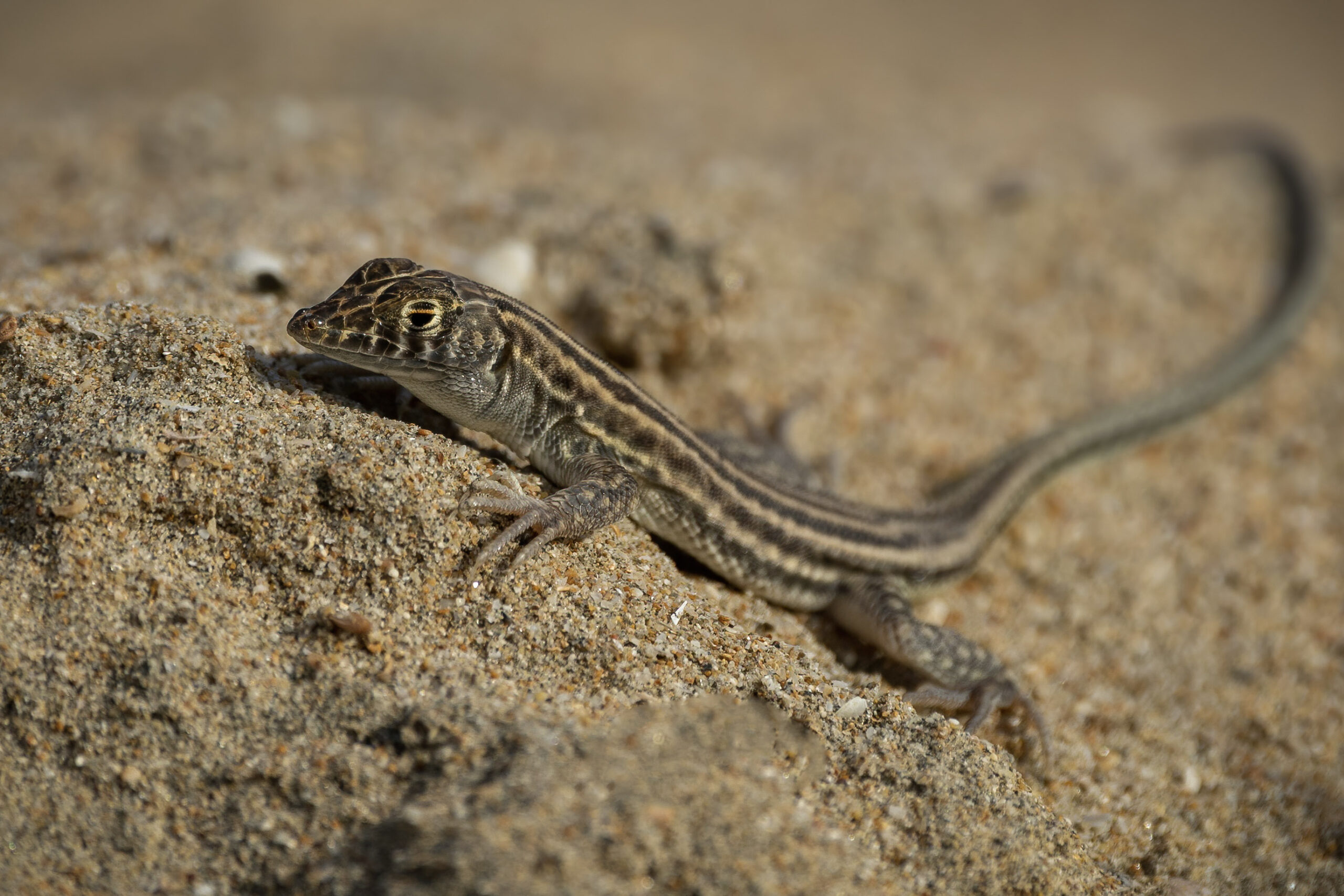
Indian Fringe-fingered Lizard

acanthodactylus cantoris


Habitat Sandy coastal areas, open desert margins, and sparsely vegetated ground.
Diet Insects, beetles, ants, small invertebrates, and spiders caught in active surface pursuit on sandy ground.
Steppe Eagle in the Indus Delta Least concern

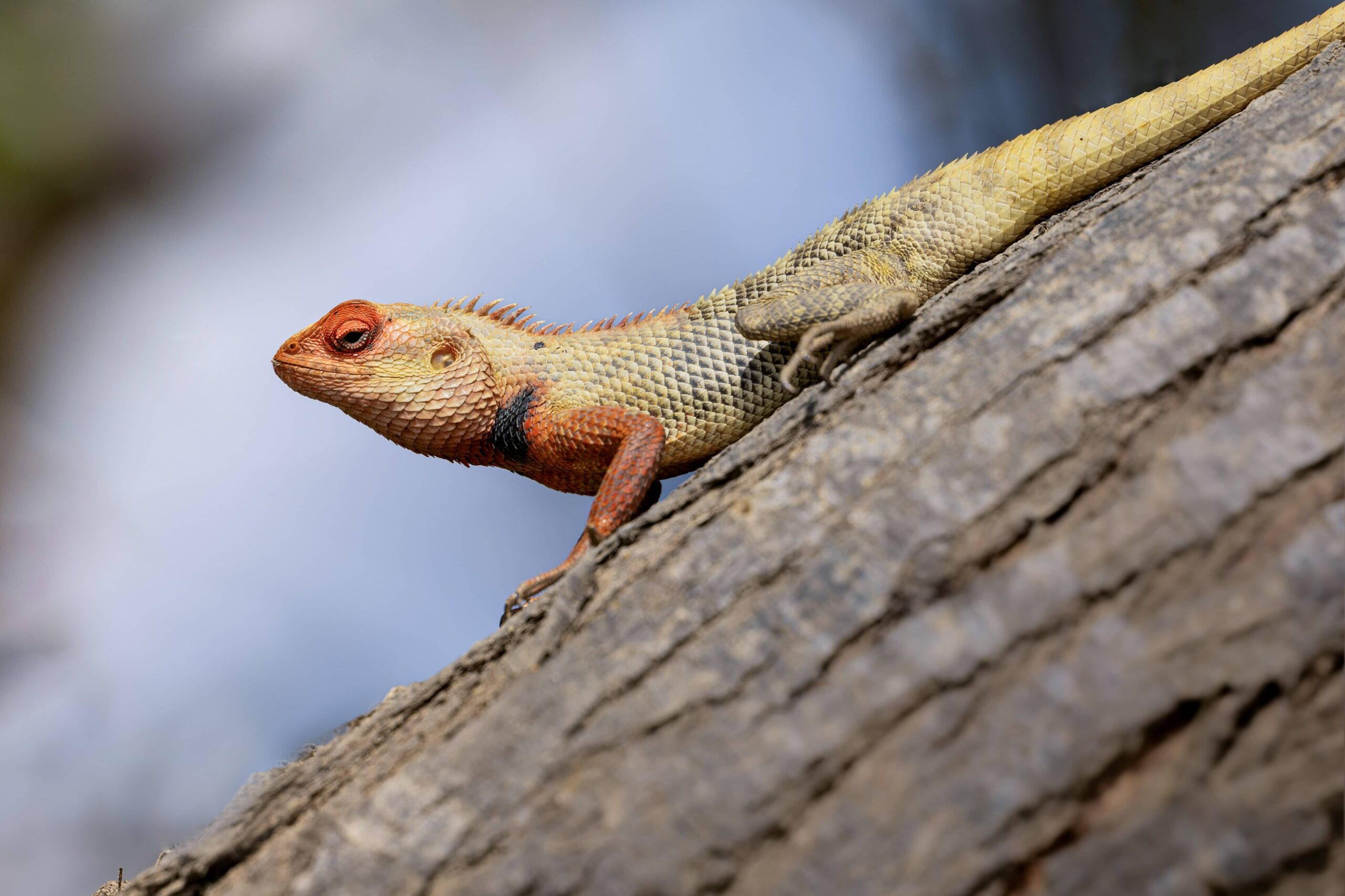
Oriental Garden Lizard

Calotes versicolor


Habitat Scrubland, coastal vegetation, mangrove edges, gardens, and open ground with bushes and low trees.
Diet Insects, small invertebrates, spiders, and occasionally small lizards caught actively in open terrain.
Steppe Eagle in the Indus Delta Least concern non-venomous

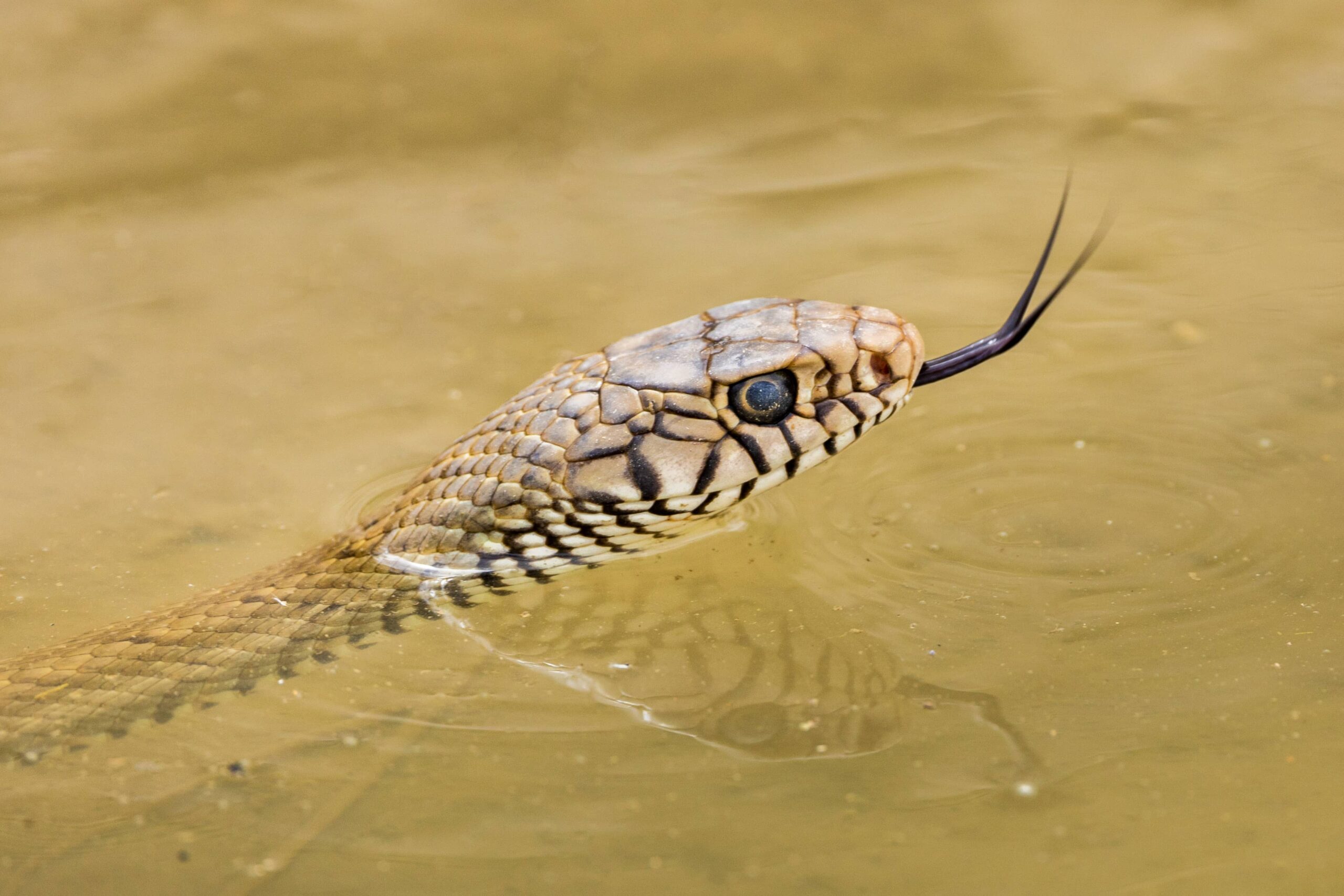
Oriental Rat Snake

Ptyas mucosa


Habitat Mangrove forest, scrubland, agricultural margins, and human settlements adjacent to the project area.
Diet Rodents, frogs, lizards, birds, and other small vertebrates; a fast-moving, non-venomous predator .
Steppe Eagle in the Indus Delta Least concern Highly Venomous

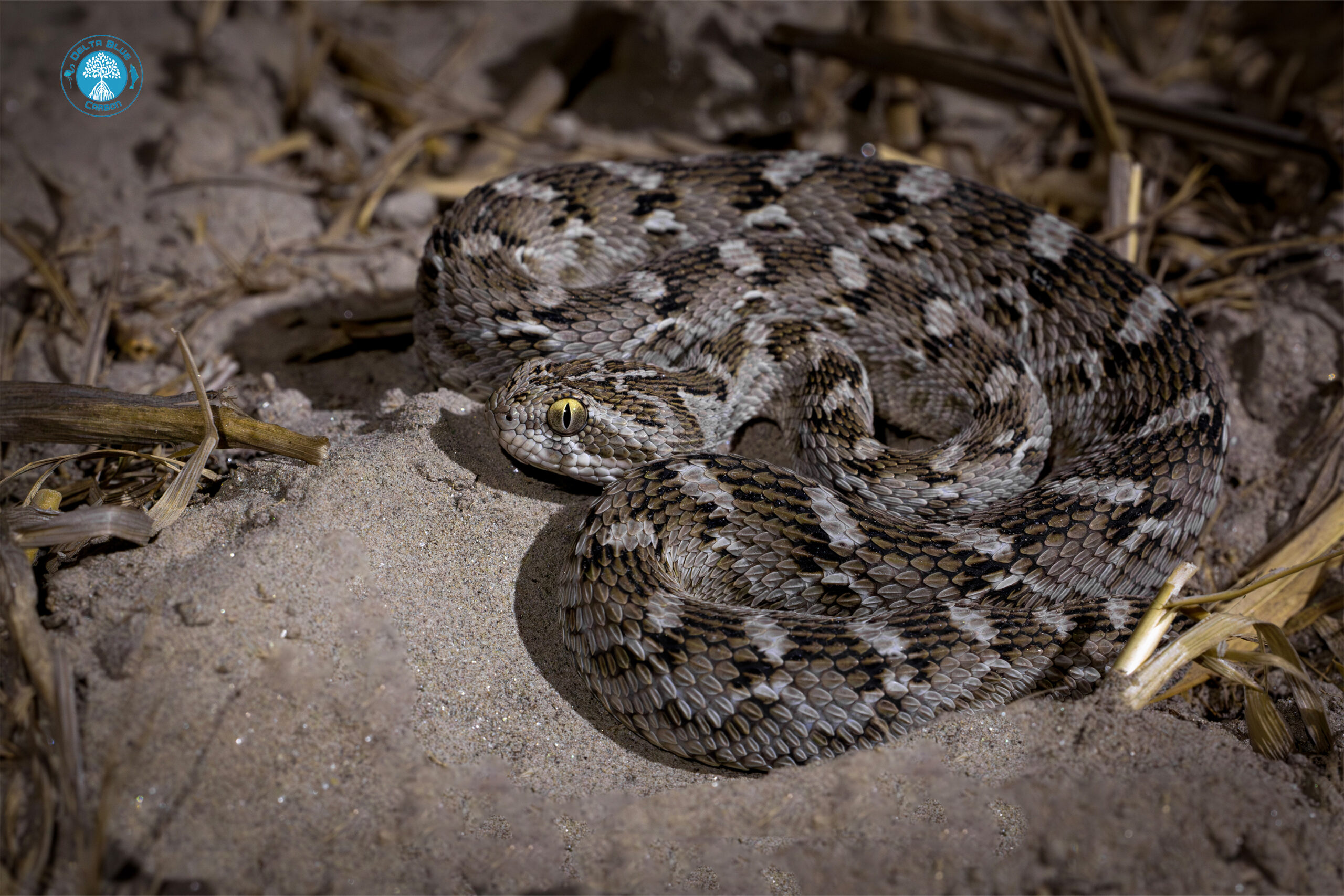
Saw-scaled Viper

Echis carinatus


Habitat Sandy beaches, dry scrubland, rocky coastal areas, and open ground near the mangrove margin.
Diet Small lizards, frogs, rodents, insects, and centipedes caught in ambush from concealed positions.
Steppe Eagle in the Indus Delta Least concern Highly Venomous

Indian Cobra

Naja naja


Habitat Open woodland, mangrove edges, scrubland, agricultural fields, and areas near human settlements.
Diet Rodents, frogs, lizards, birds, fish, and other snakes, a highly effective and medically important predator.
Steppe Eagle in the Indus Delta Least concern

House Gecko

Hemidactylus frenatus


Habitat Walls, buildings, and structures near human settlements throughout the project area.
Diet Flies, mosquitoes, moths, beetles, and other small insects attracted to artificial light.