BIRDS DIVERSITY

KINGFISHERS & BEE-EATERS

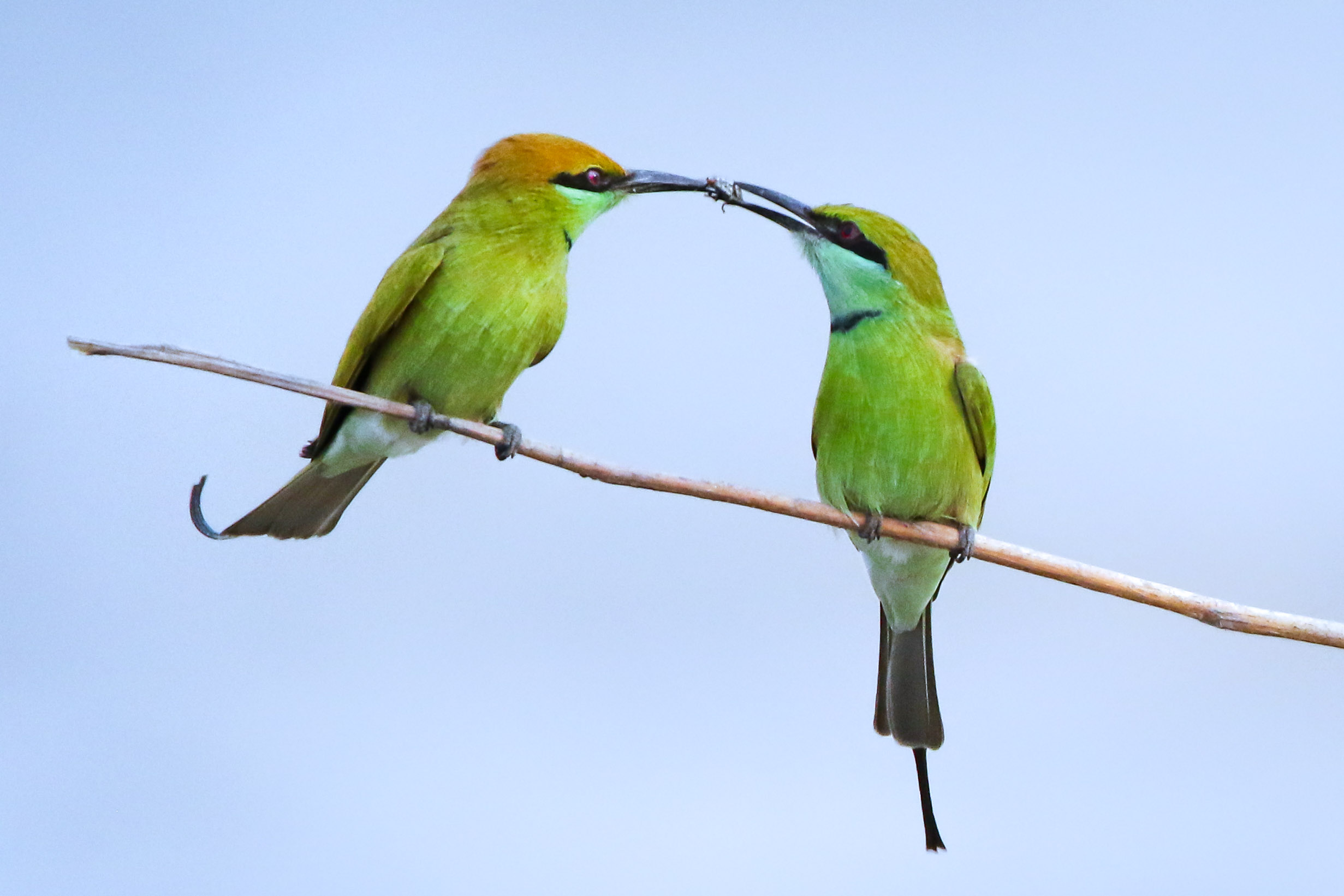
Kingfishers and bee-eaters are among the most visually striking and behaviourally fascinating bird groups of the Indus Delta mangrove ecosystem. Closely associated with waterways, creeks, and open mudflats, kingfishers are expertly adapted for hunting aquatic prey, using their sharp vision and rapid plunge-diving technique to capture fish and small crustaceans with remarkable precision. Bee-eaters, on the other hand, are aerial specialists, feeding primarily on flying insects such as bees, dragonflies, and wasps, which they skillfully catch in mid-air before returning to perches within open scrub or mangrove edges.

Steppe Eagle in the Indus Delta Least concern

Asian Green-bee Eater

Merops orientalis


Habitat Open scrubland, sandy ground near mangrove edges, coastal plains, and low vegetation.
Diet Bees, wasps, dragonflies, beetles, and other flying insects caught in fast aerial pursuits from low perches.
Steppe Eagle in the Indus Delta Least concern

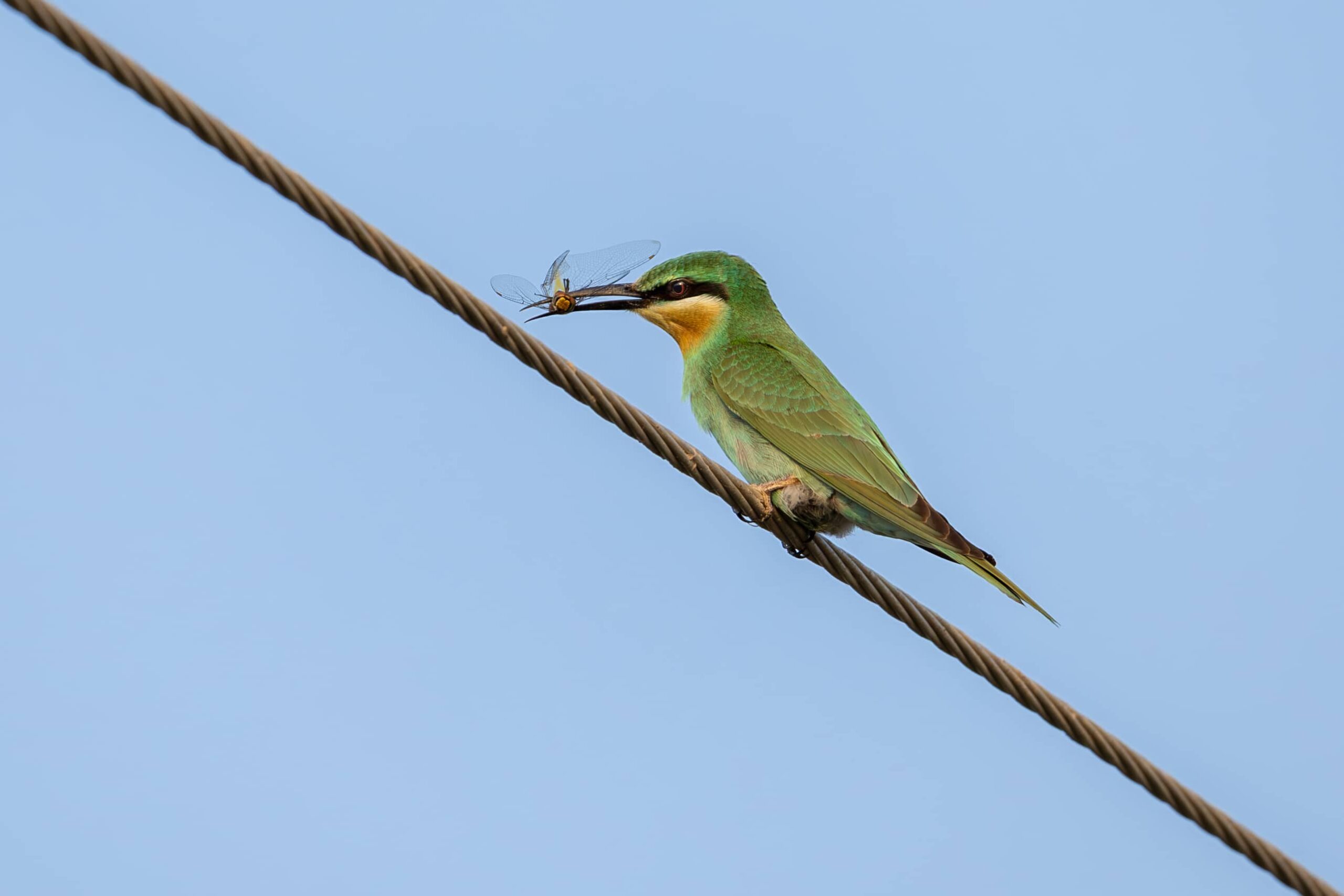
Blue-cheeked Bee-eater

Merops persicus


Habitat Open sandy areas, scrubland edges, coastal plains, and mangrove margins with clear airspace for aerial hunting.
Diet Bees, wasps, dragonflies, butterflies, and other large flying insects caught in aerial sallies from exposed perches.
Steppe Eagle in the Indus Delta Least concern

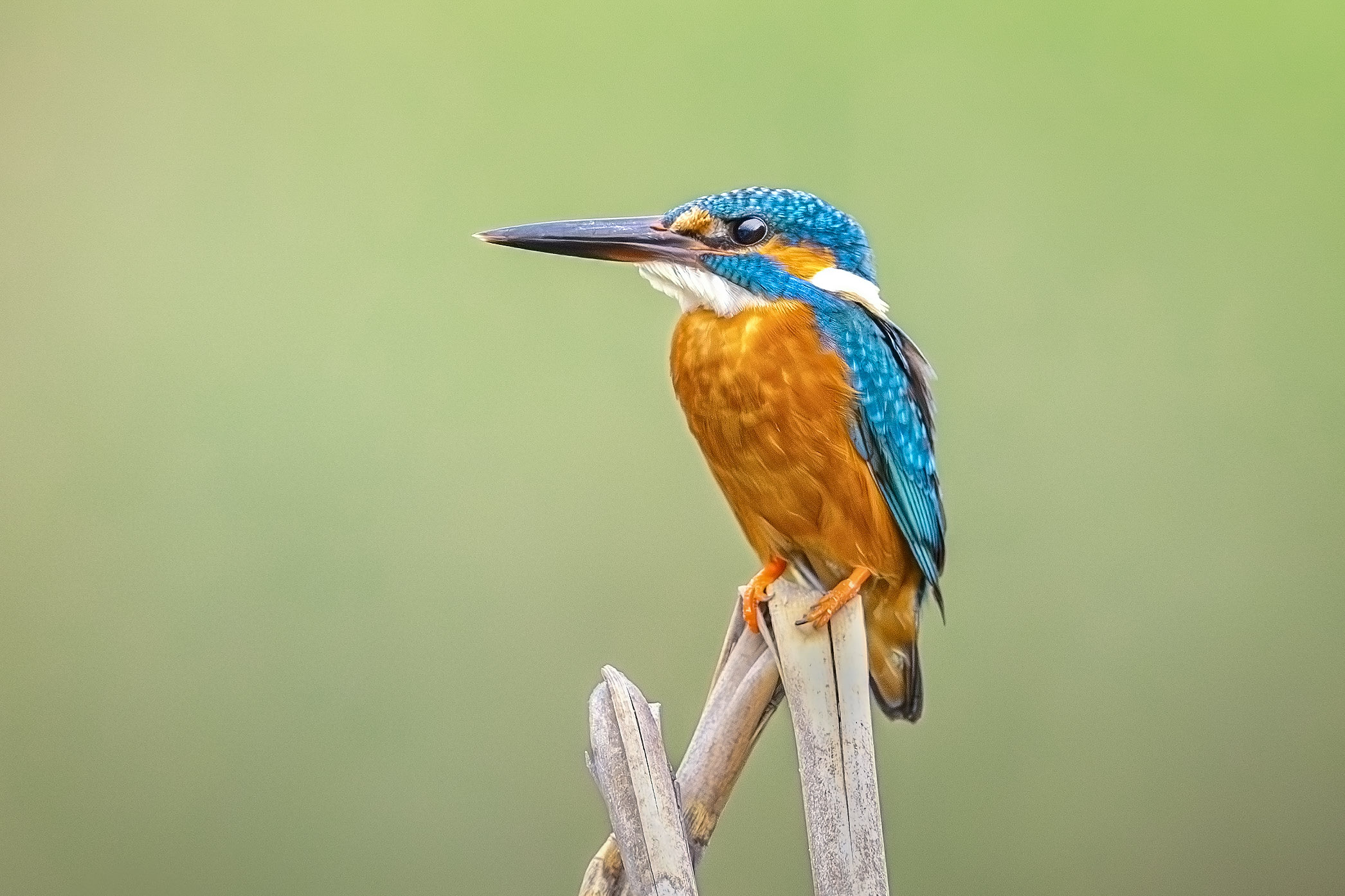
Common Kingfisher

Alcedo atthis


Habitat Mangrove-lined tidal creeks, estuarine channels, small coastal pools, and freshwater bodies.
Diet Small fish, aquatic insects, and crustaceans caught in fast, low plunge-dives from waterside perches.
Steppe Eagle in the Indus Delta Least concern

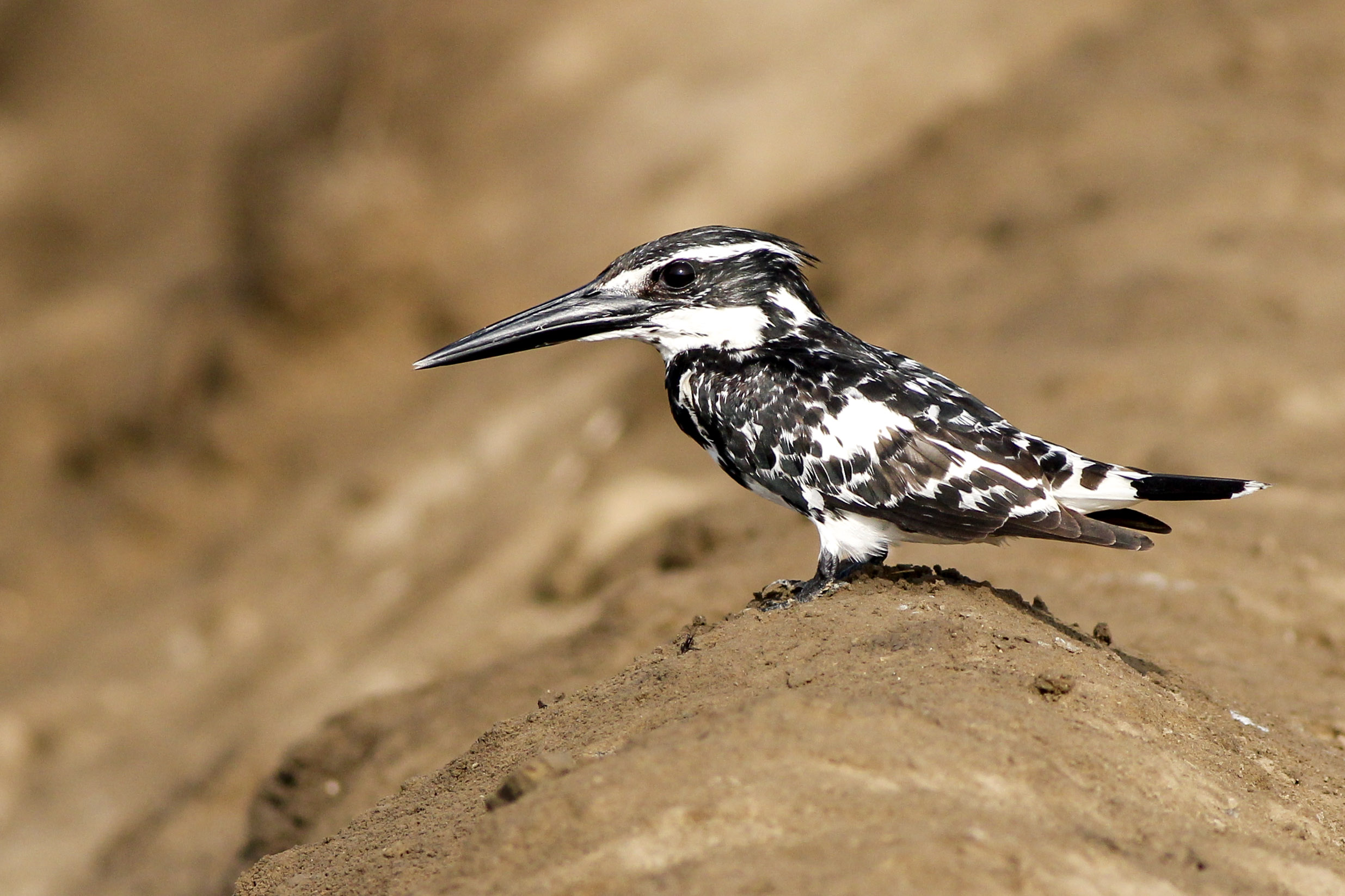
Pied Kingfisher

Ceryle rudis


Habitat Mangrove creeks, tidal channels, coastal lagoons, estuaries, and open water bodies.
Diet Small fish caught by hovering at height above the water then plunge-diving vertically.
Steppe Eagle in the Indus Delta Least concern

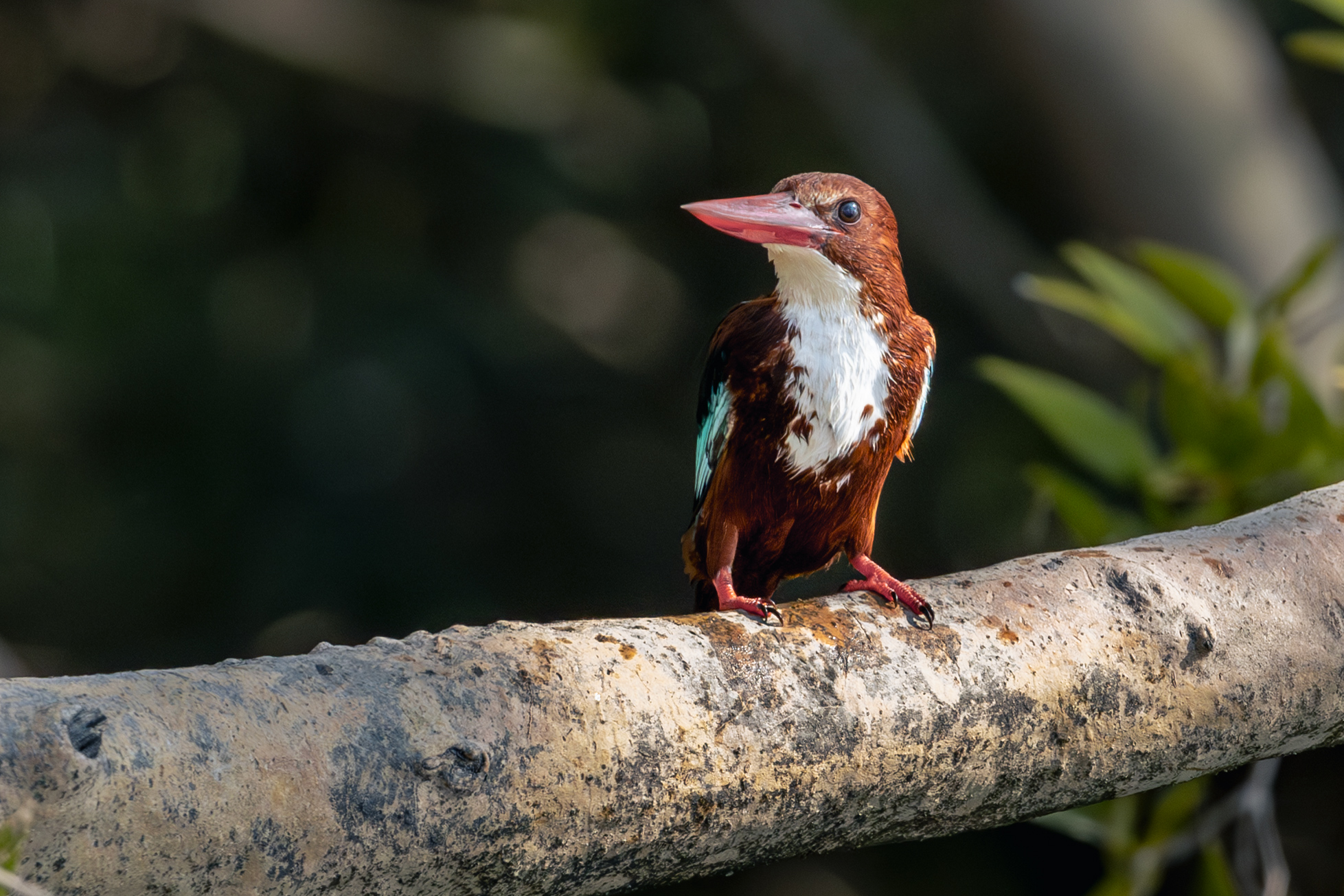
White-throated Kingfisher

Halcyon smyrnensis


Habitat Mangrove edges, scrubland, agricultural land, and gardens near the project area.
Diet Fish, frogs, lizards, large insects, crabs, earthworms, and small snakes caught by diving from elevated perches.