BIRDS DIVERSITY

TERNS & GULLS

Terns and gulls form an important coastal bird assemblage within the Indus Delta, closely associated with estuarine waters, tidal creeks, mudflats, and nearshore marine environments. These species are highly adapted to dynamic coastal conditions, where they exploit abundant fish populations and other marine resources. Terns are agile aerial foragers, often seen hovering before diving with precision into the water to capture small fish, while gulls display more generalist feeding behaviour, scavenging and opportunistically feeding across a wide range of coastal habitats.

Steppe Eagle in the Indus Delta Vulnerable

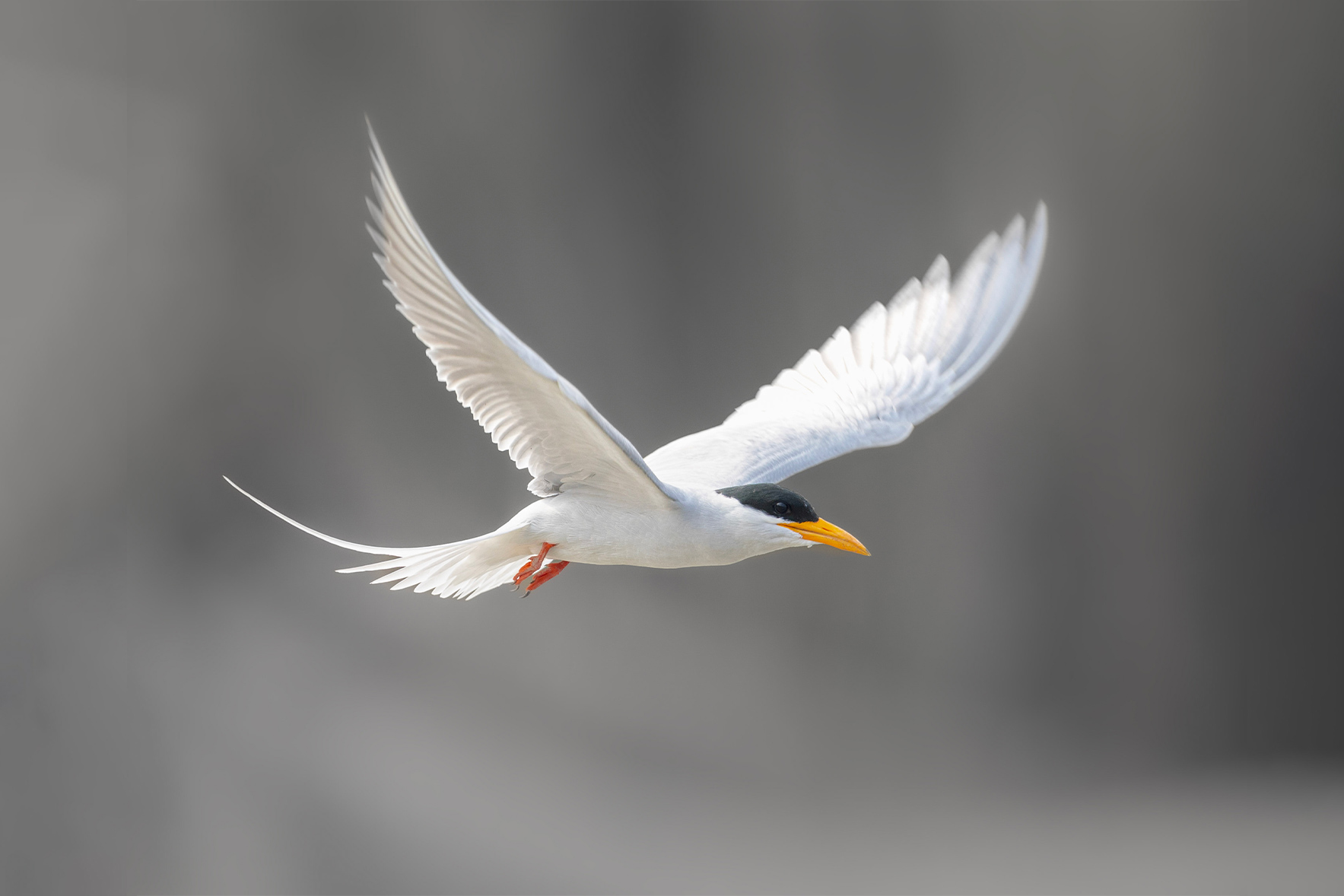
River Tern

Sterna aurantia


Habitat Large rivers, estuarine channels, sandy shorelines, and mangrove-fringed coastal waters.
Diet Small fish caught by plunge-diving from height, hovering before striking the water surface at speed.
Steppe Eagle in the Indus Delta Least Concern

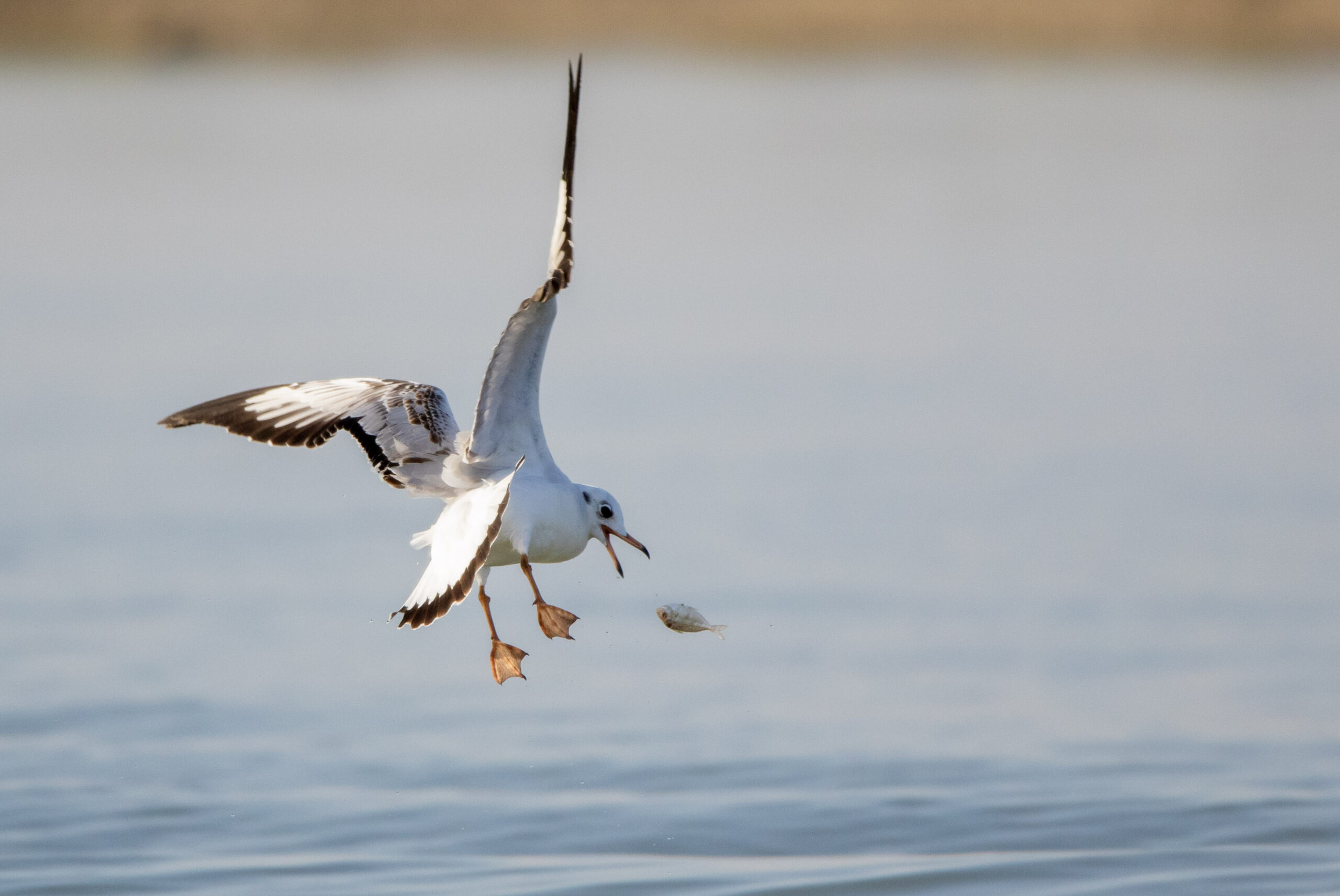
Black-headed Gull

Larus marinus


Habitat Coastal mudflats, harbours, estuaries, beaches, and open water near human settlements.
Diet Fish, invertebrates, insects, earthworms, carrion, and refuse scavenged at the shoreline.
Steppe Eagle in the Indus Delta Least Concern

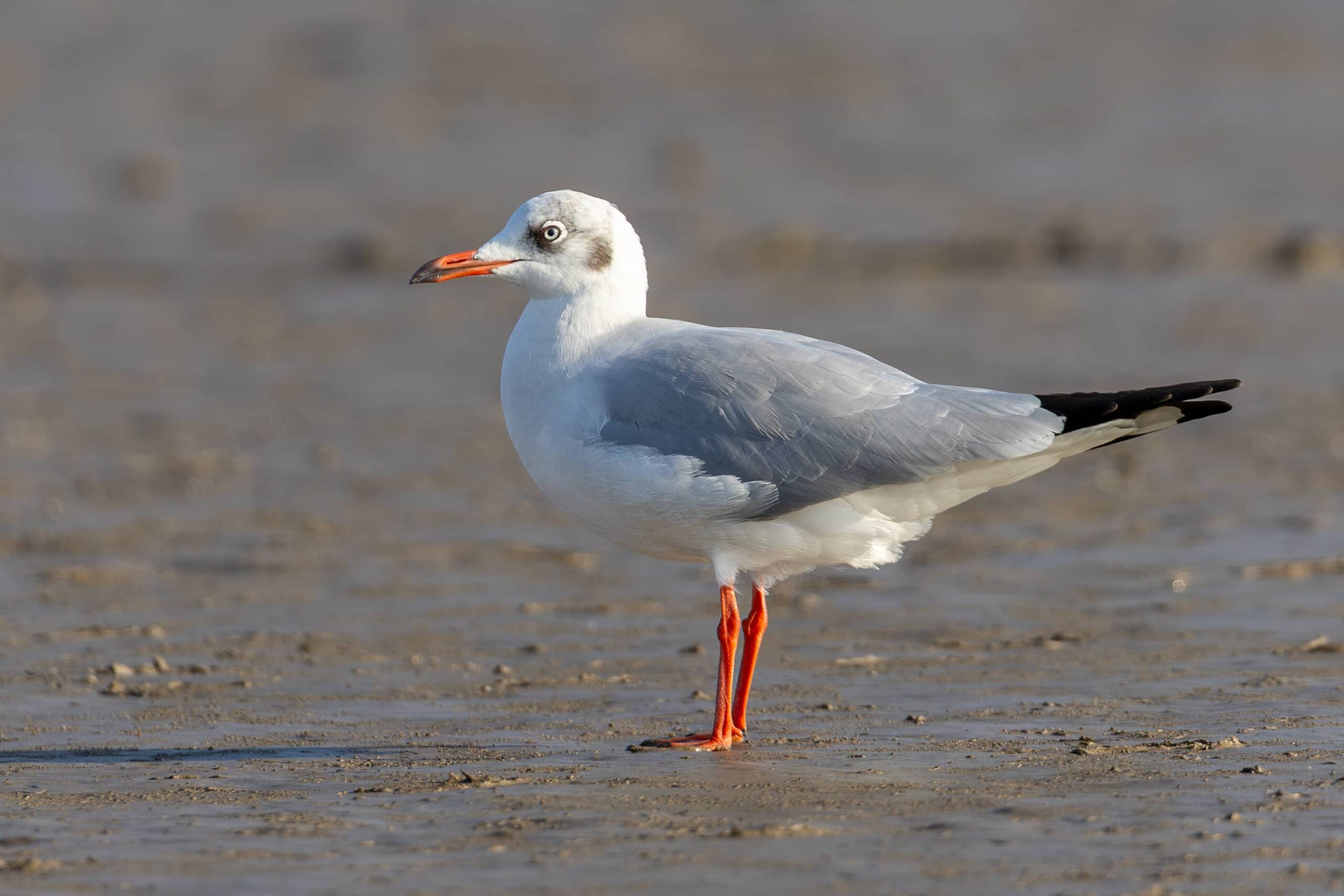
Brown-headed Gull

Chroicocephalus brunnicephalus


Habitat Coastal mudflats, sandy beaches, estuarine waters, and open water near the shoreline.
Diet Fish, invertebrates, carrion, insects, and human waste scavenged opportunistically.
Steppe Eagle in the Indus Delta Least Concern

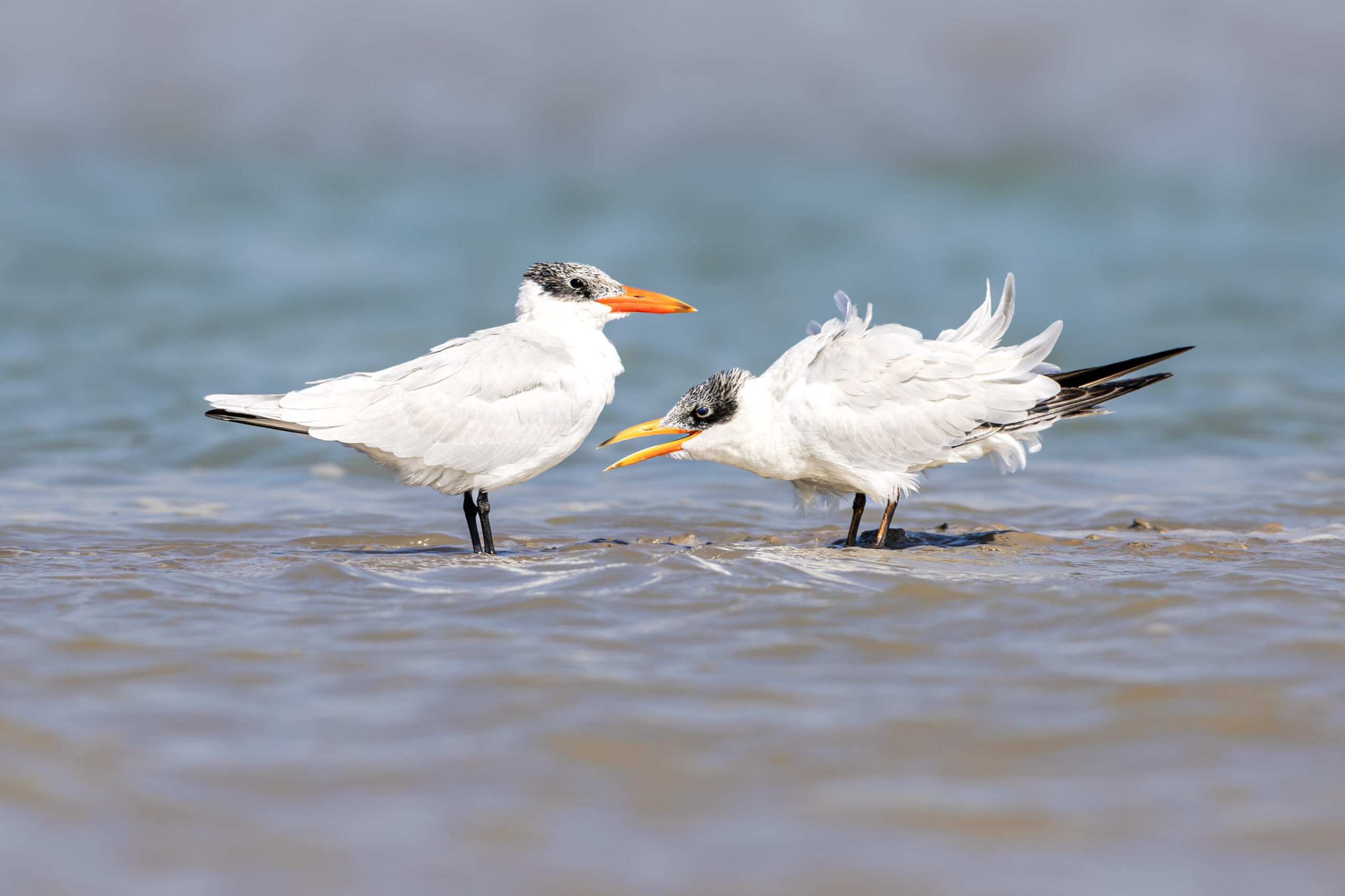
Caspian Tern

Hydroprogne caspia


Habitat Coastal waters, sandy estuarine shorelines, large wetlands, and open tidal flats.
Diet Fish caught by powerful plunge-diving; the largest tern in the world and a dominant forager in coastal areas.
Steppe Eagle in the Indus Delta Least Concern

Common Tern

Sterna hirundo


Habitat Open coastal waters, sandy beaches, estuarine channels, and large freshwater wetlands.
Diet Small fish, squid, and aquatic invertebrates caught by graceful plunge-dives from low hovering flight.
Steppe Eagle in the Indus Delta Least Concern

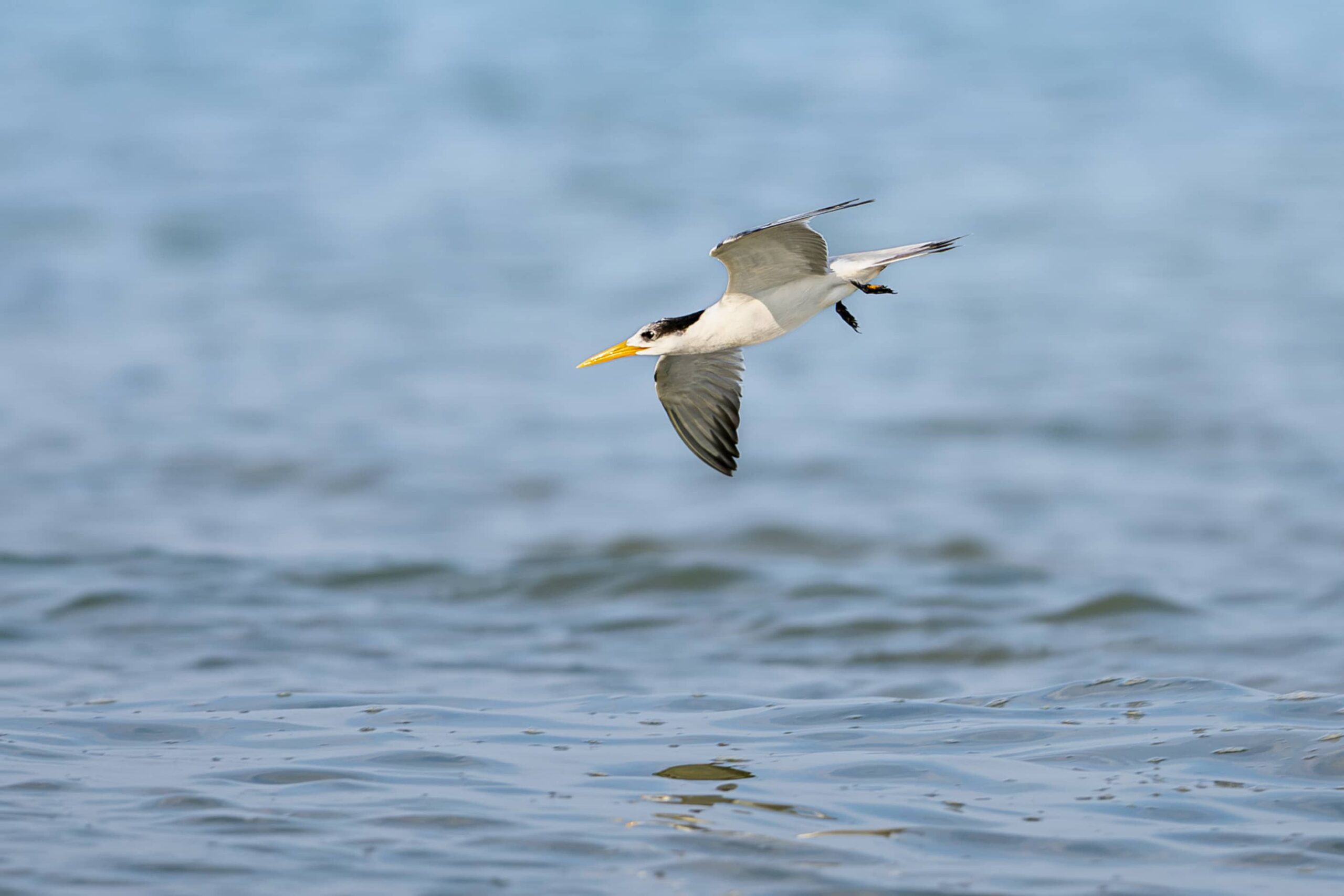
Great Crested Tern

Thalasseus bergii


Habitat Coastal waters, sandy shores, tidal mudflats, estuaries, and offshore islands throughout the Indus Delta..
Diet Primarily fish, along with small crustaceans and marine invertebrates, caught by plunge-diving into shallow coastal waters..
Steppe Eagle in the Indus Delta Least Concern

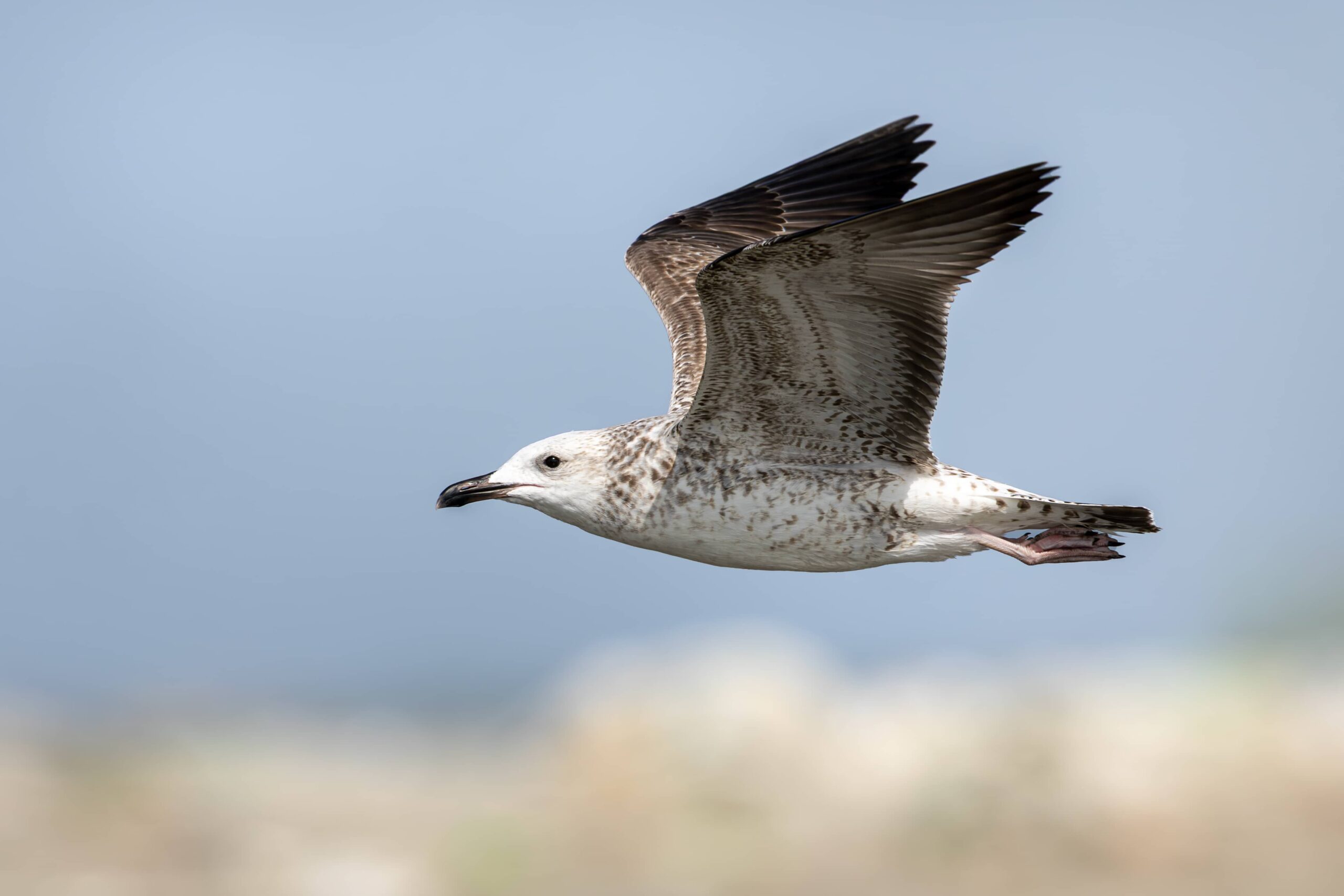
Lesser Black-backed Gull

Larus fuscus


Habitat Open coastal waters, sandy beaches, estuaries, mudflats, and harbours.
Diet Fish, invertebrates, carrion, and organic refuse scavenged from the shoreline and open water.
Steppe Eagle in the Indus Delta Least Concern

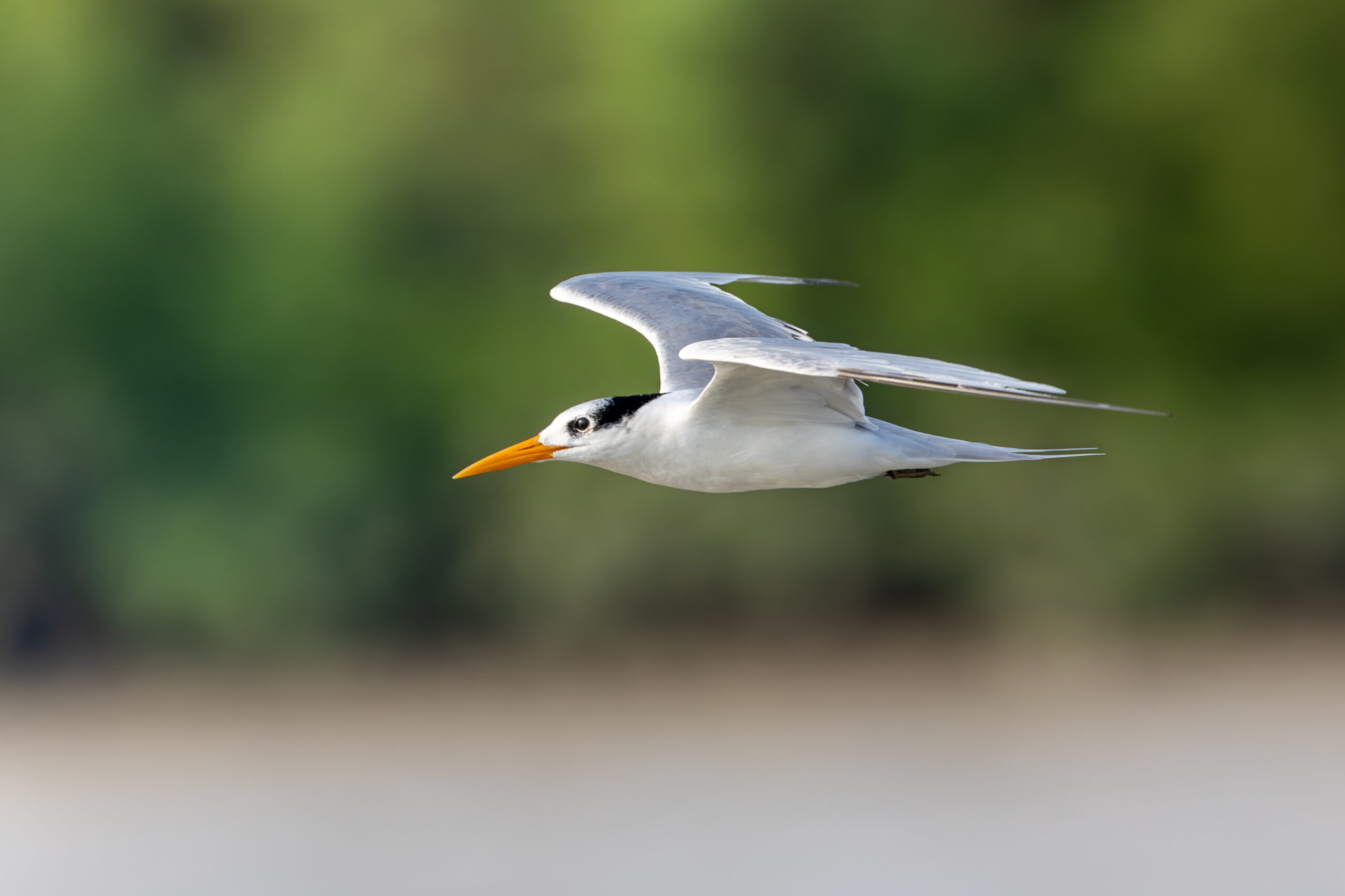
Lesser Crested Tern

Thalasseus bengalensis


Habitat Coastal waters, sandy beaches, rocky islets, and estuarine channels near the open sea.
Diet Small schooling fish caught by plunge-diving in shallow nearshore waters.
Steppe Eagle in the Indus Delta Least Concern

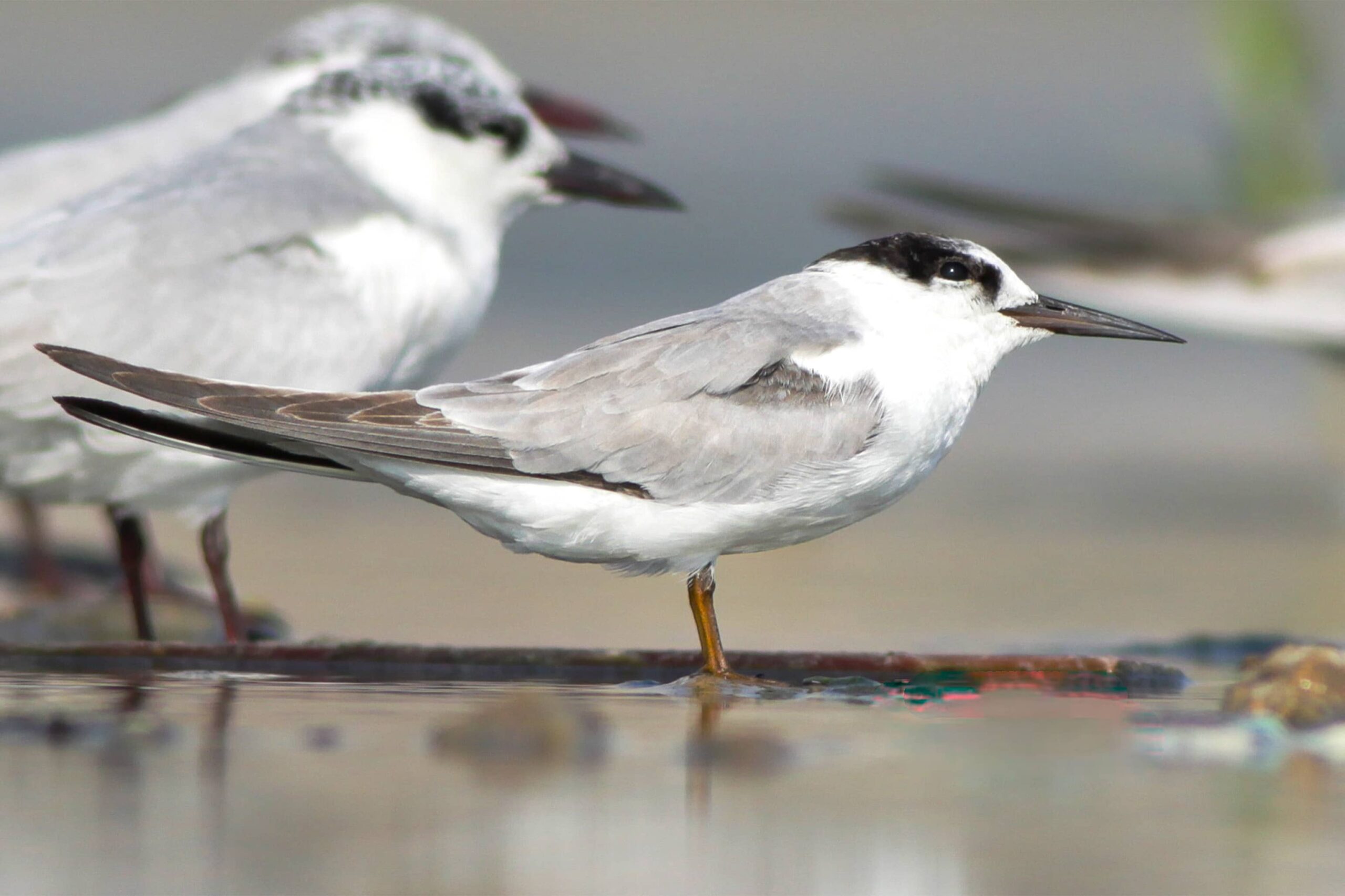
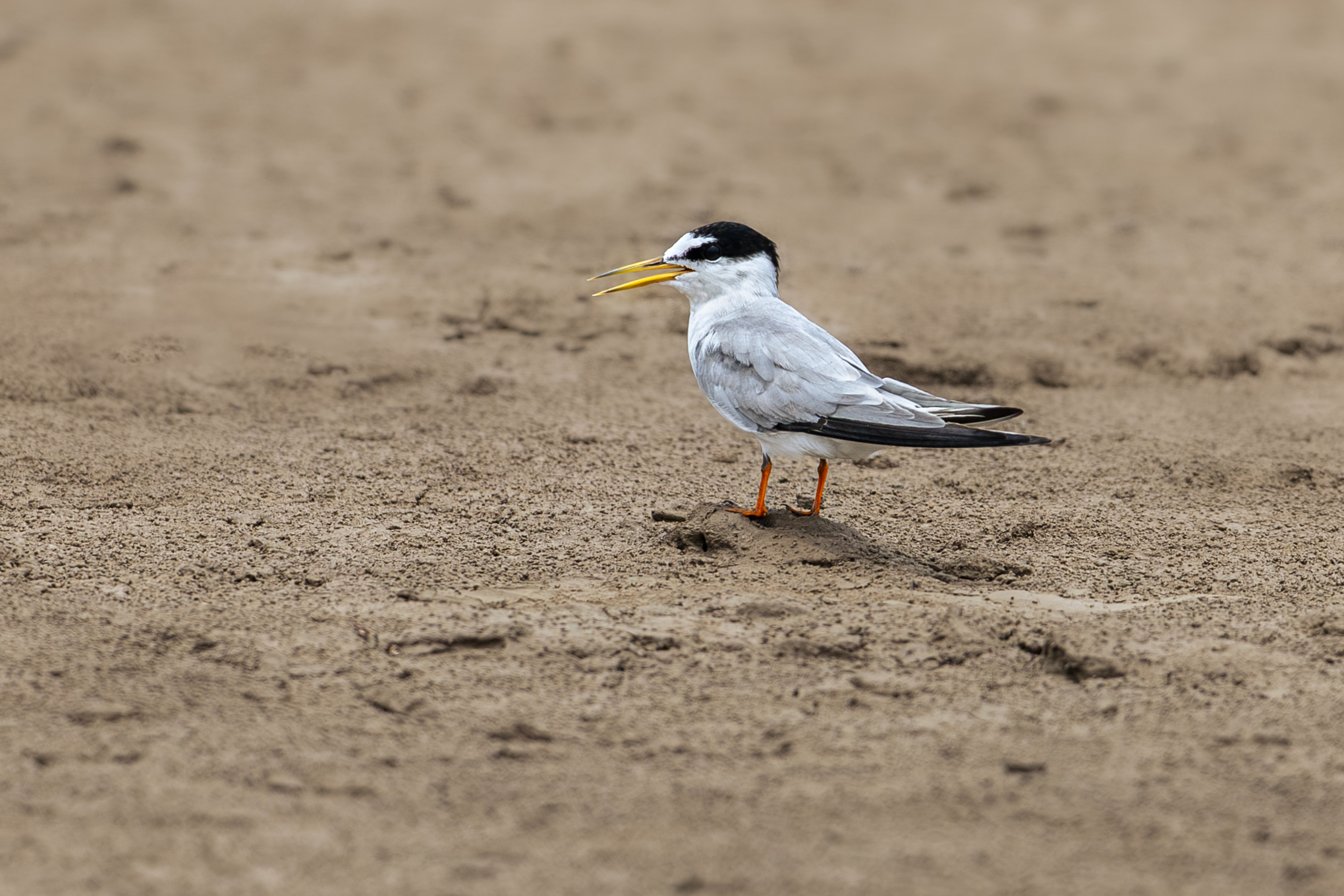
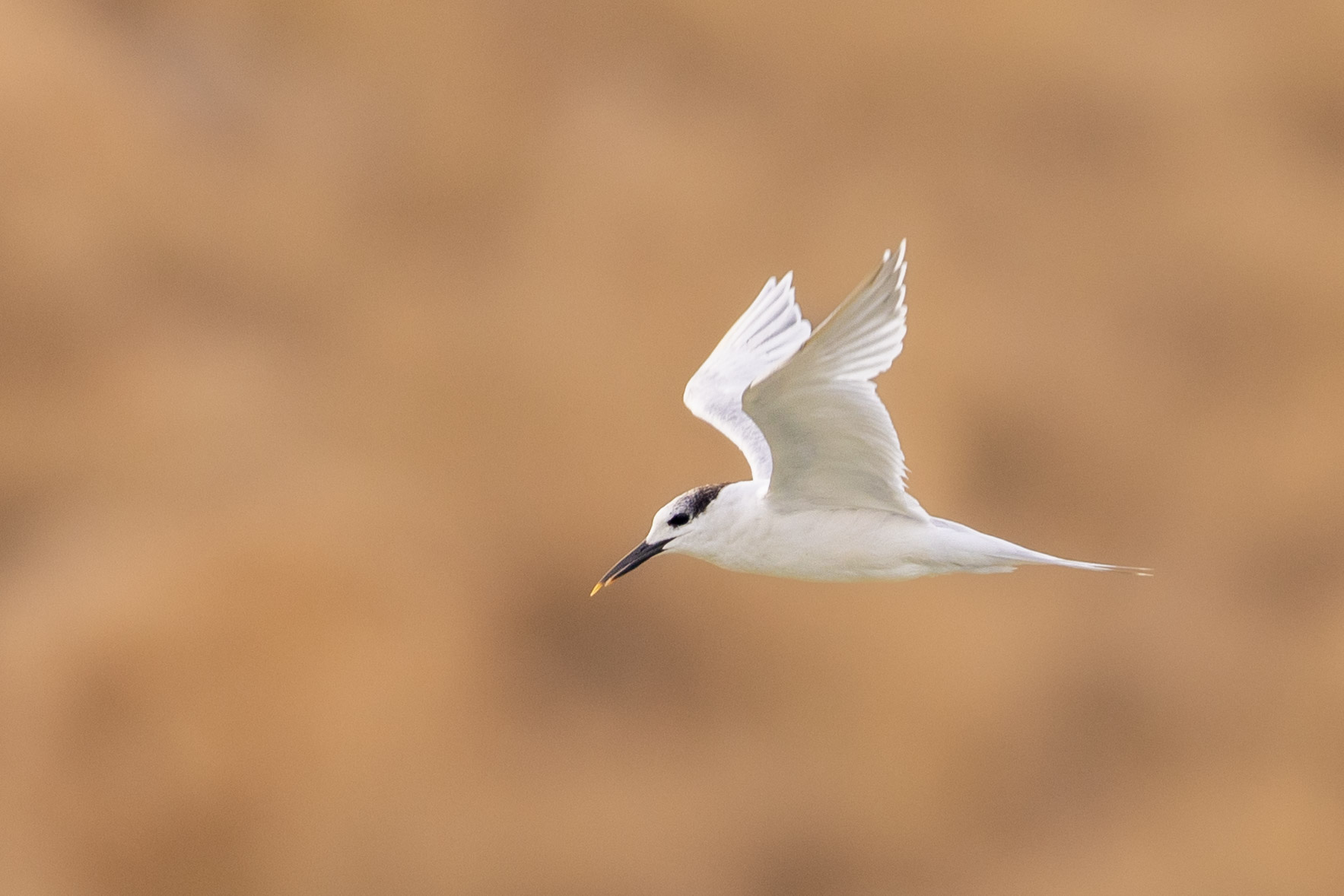
Little Tern

Sternula albifrons


Habitat Sandy coastal beaches, intertidal flats, mangrove creek mouths, and estuarine shorelines.
Diet Small fish and aquatic invertebrates caught by rapid hovering and shallow plunge-dives.
Steppe Eagle in the Indus Delta Least Concern

Sandwich Tern

Thalasseus sandvicensis


Habitat Open coastal waters, sandy beaches, estuarine channels, and offshore sandbars.
Diet Small fish caught by steep plunge-diving into coastal and inshore waters.
Steppe Eagle in the Indus Delta Least Concern

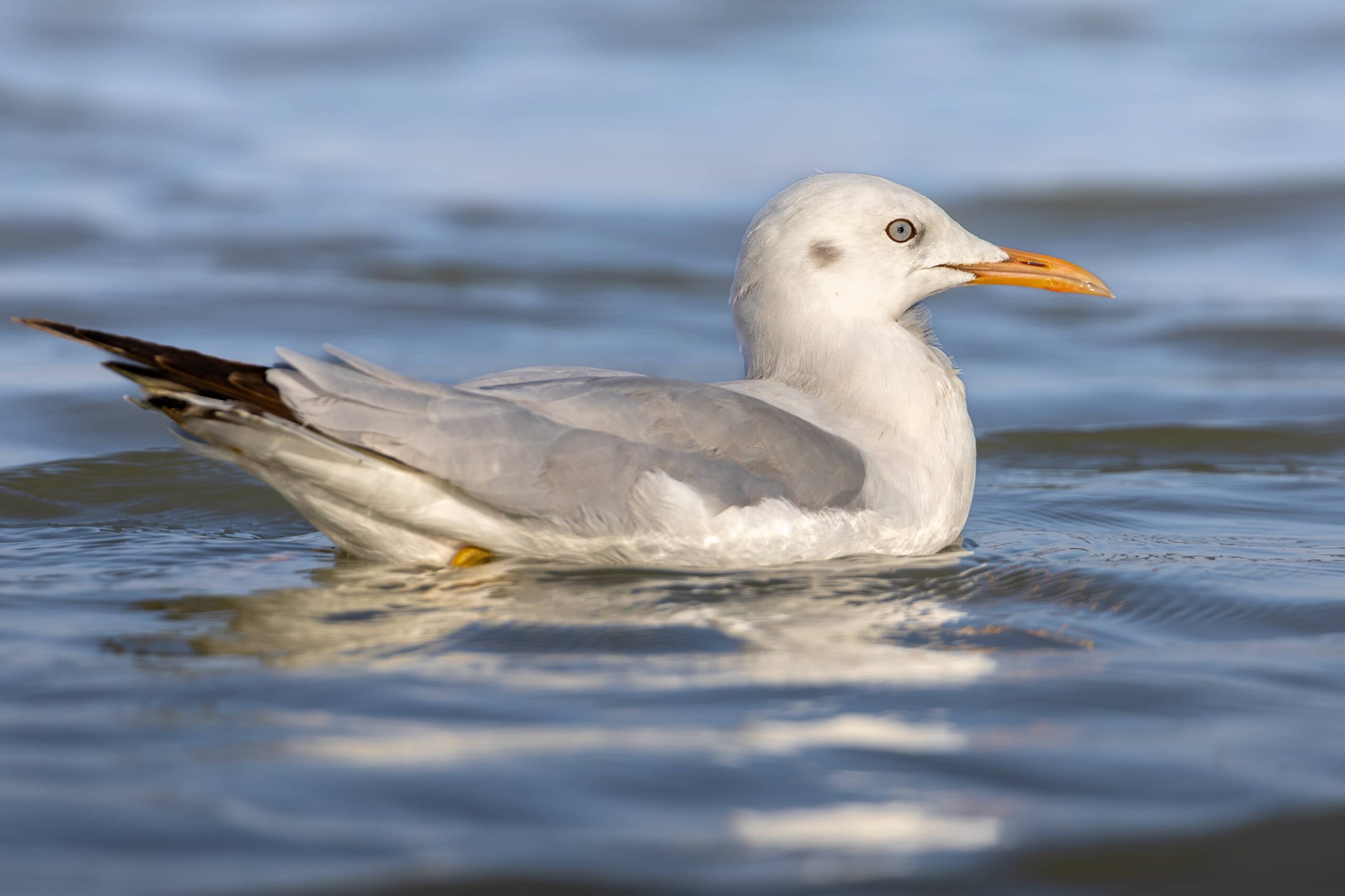
Slender-billed Gull

Chroicocephalus genei


Habitat Sandy coasts, saltpans, coastal lagoons, estuarine mudflats, and open nearshore waters.
Diet Fish, crustaceans, marine invertebrates, and insects caught at the water surface or by brief plunges.
Steppe Eagle in the Indus Delta Least Concern

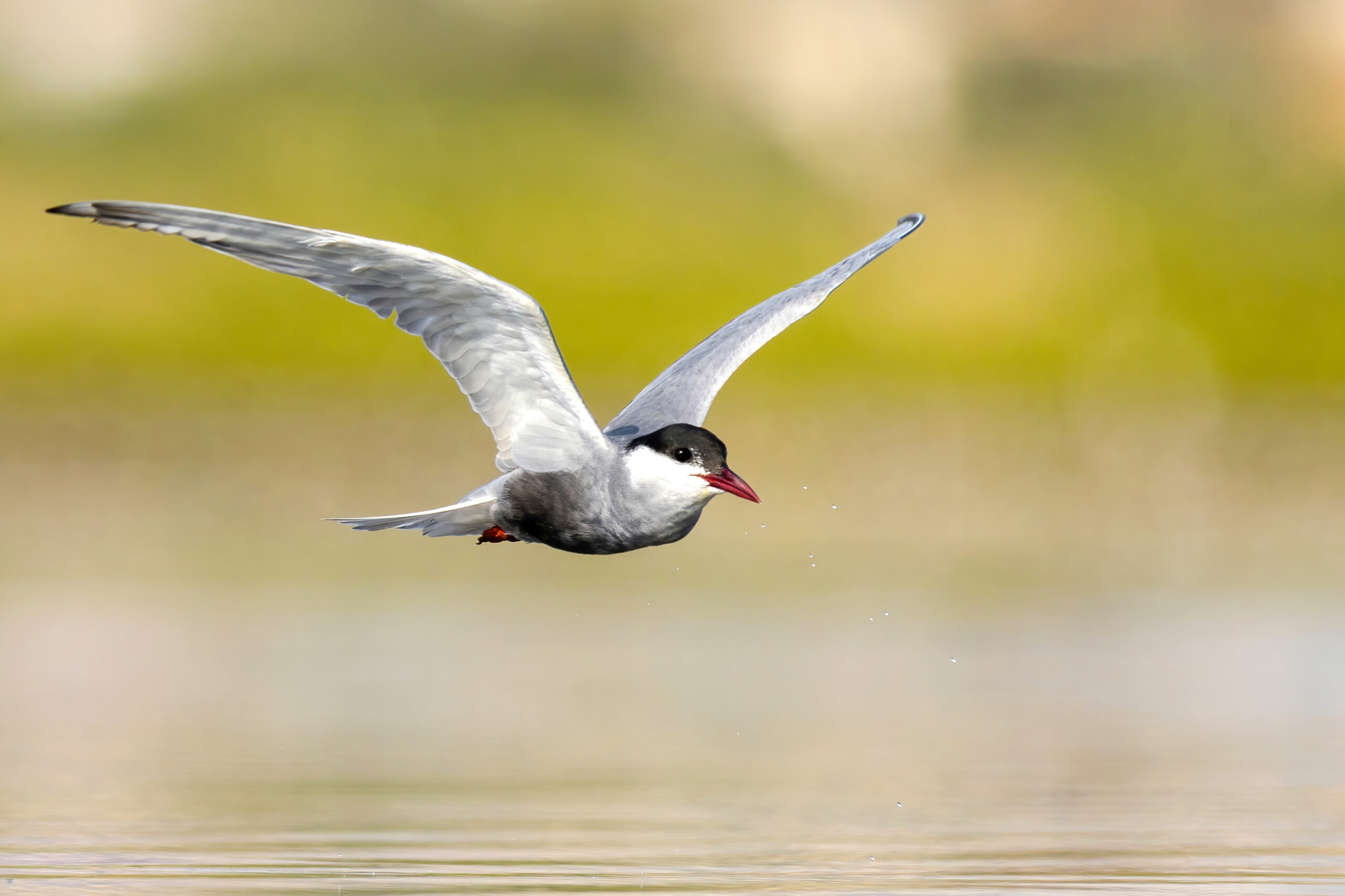
Whiskered Tern

Chlidonias hybrida


Habitat Shallow coastal lagoons, mangrove creeks, estuarine waters, and open freshwater wetlands.
Diet Small fish, aquatic insects, crustaceans, and invertebrates caught by low dipping flight over the water surface.