THE INDUS DELTA

AMPHIBIAN DIVERSITY

Amphibians form a small but ecologically significant component of the Indus Delta ecosystem. Adapted to both aquatic and terrestrial environments, they are typically found in moist microhabitats such as tidal pools, mudflats, seasonal freshwater pools, seepages, and the vegetated edges of creeks, where humidity remains consistently high. Frogs and toads recorded in the project area play an important role in maintaining ecological balance by regulating insect populations, while also serving as an important food source for reptiles, wading birds, and small mammals.

Steppe Eagle in the Indus Delta Least concern

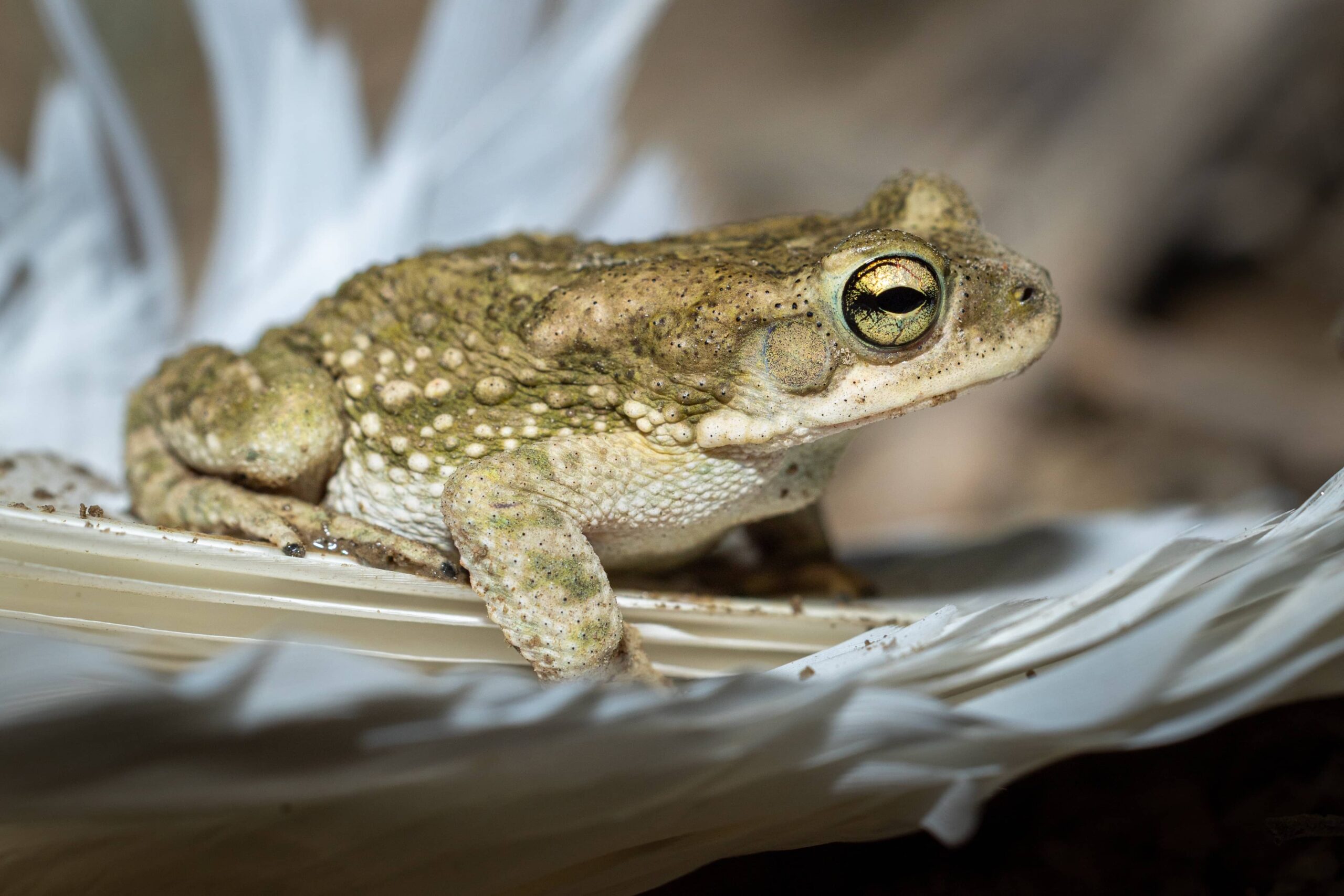
Indus Valley Toad

Duttaphrynus stomaticus


Habitat Freshwater pools, agricultural irrigation margins, moist coastal habitats, and seasonally flooded areas near the project boundary.
Diet Insects, earthworms, small invertebrates, and beetles caught nocturnally near water.
Steppe Eagle in the Indus Delta Least concern

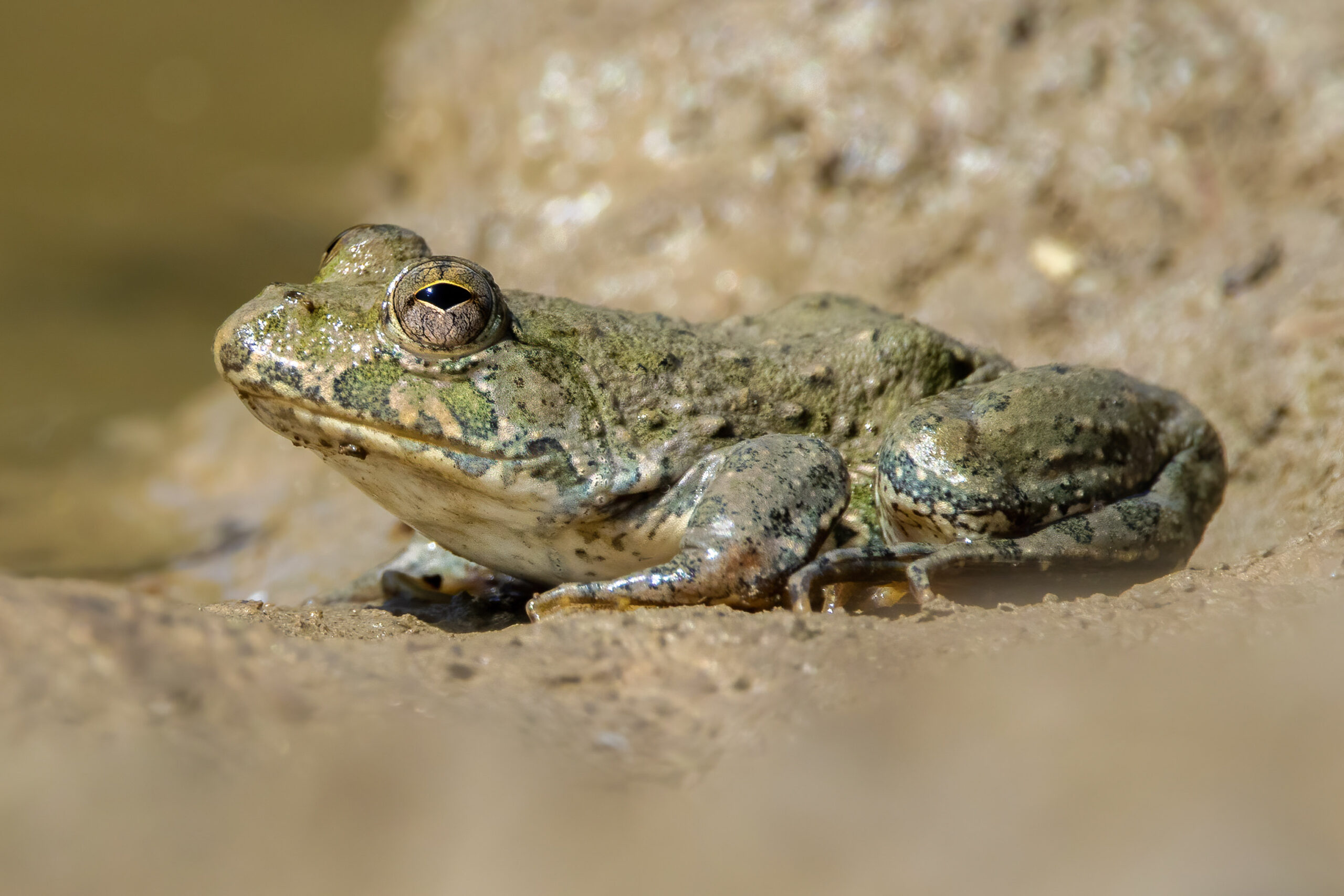
Common Skittering Frog

Euphlyctis cyanophlyctis


Habitat Freshwater ponds, canals, slow-moving streams, marshes, and any calm shallow water body near the project margin.
Diet Aquatic and terrestrial insects, small invertebrates, larvae, and any small animal at the water surface.