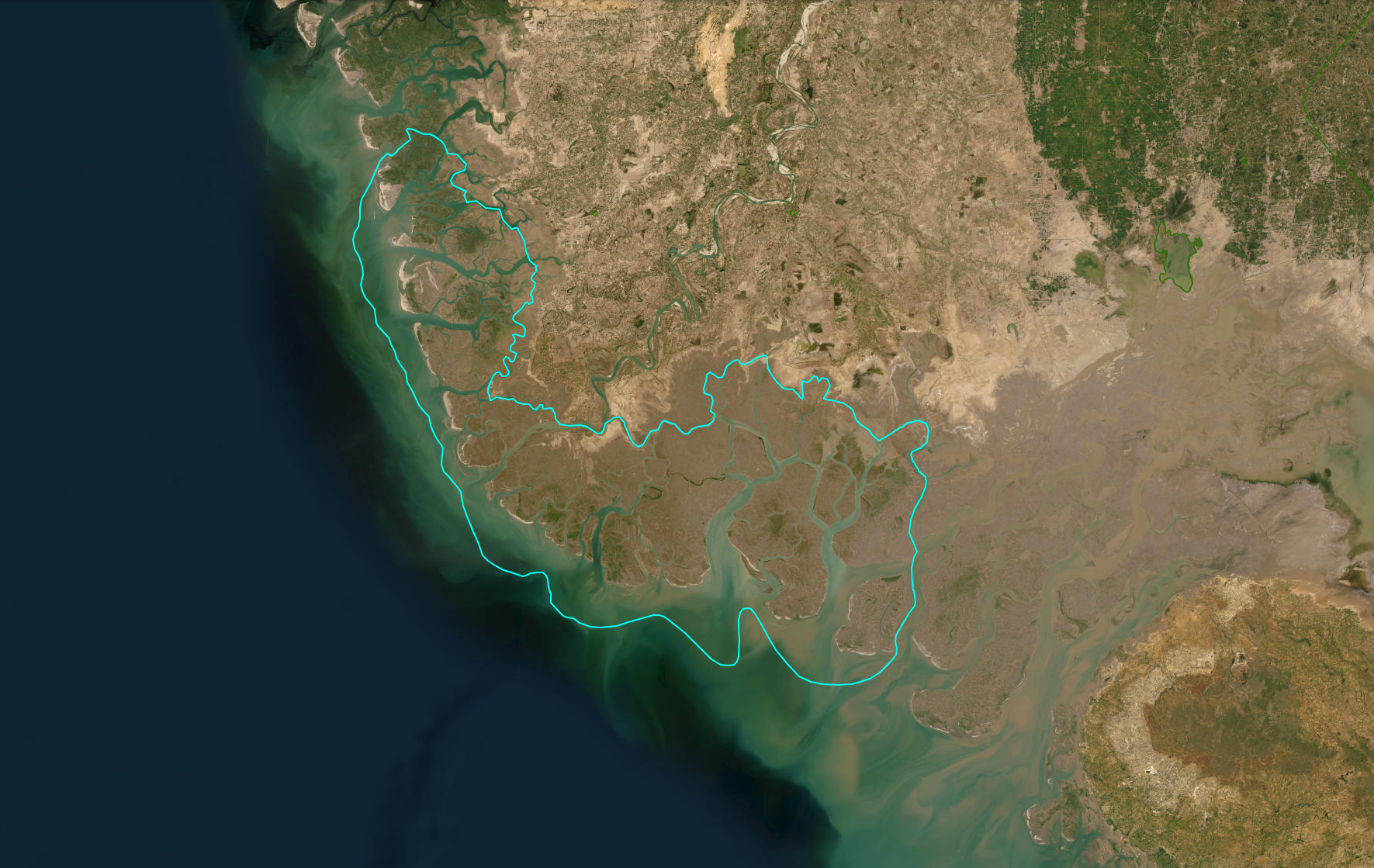
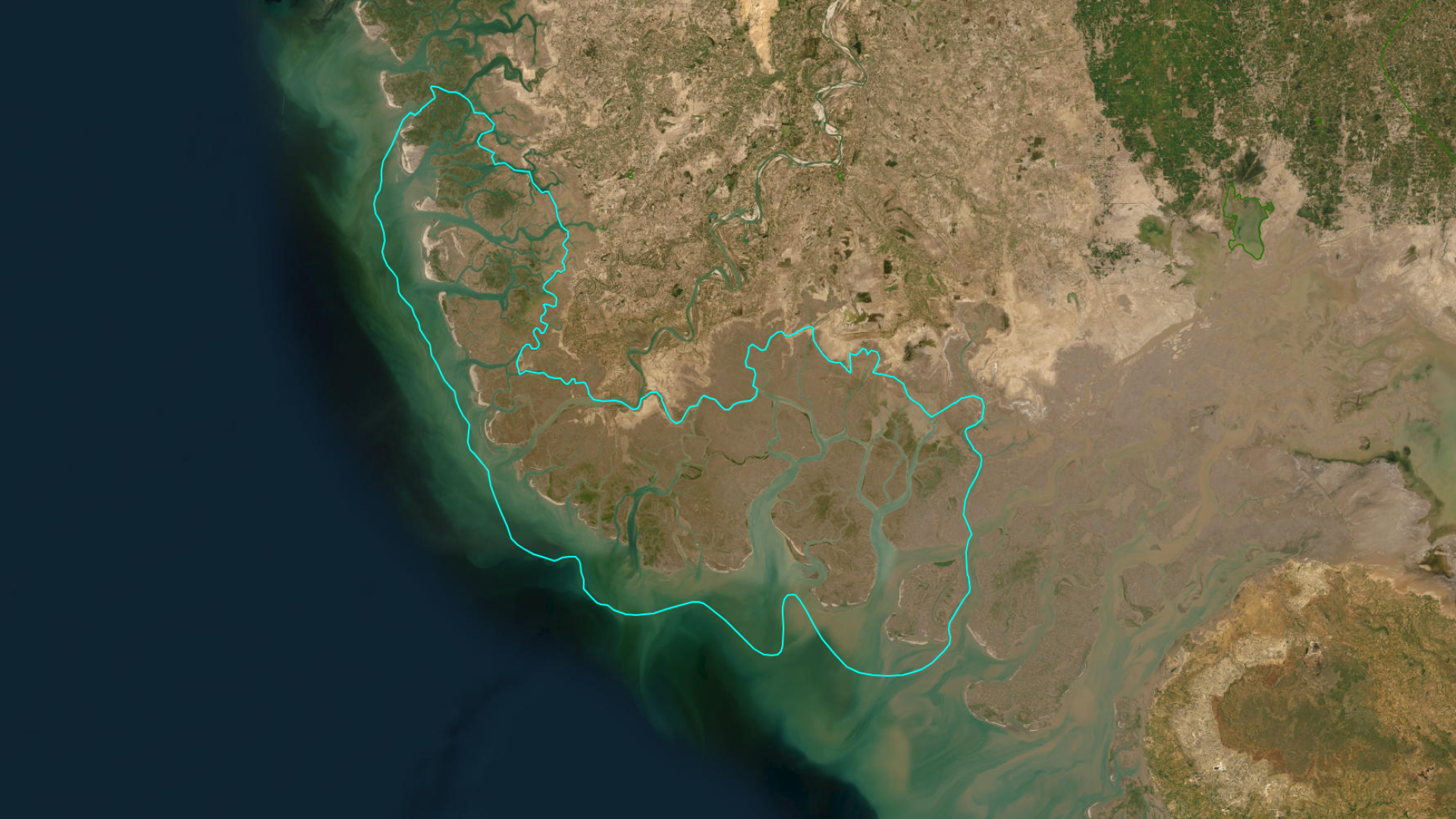
Mangroves are central to the ecological integrity of the Indus Delta, supporting biodiversity while stabilizing coastlines and sustaining marine productivity. These habitats underpin fisheries, provide shelter for wildlife, and act as natural buffers against coastal erosion.
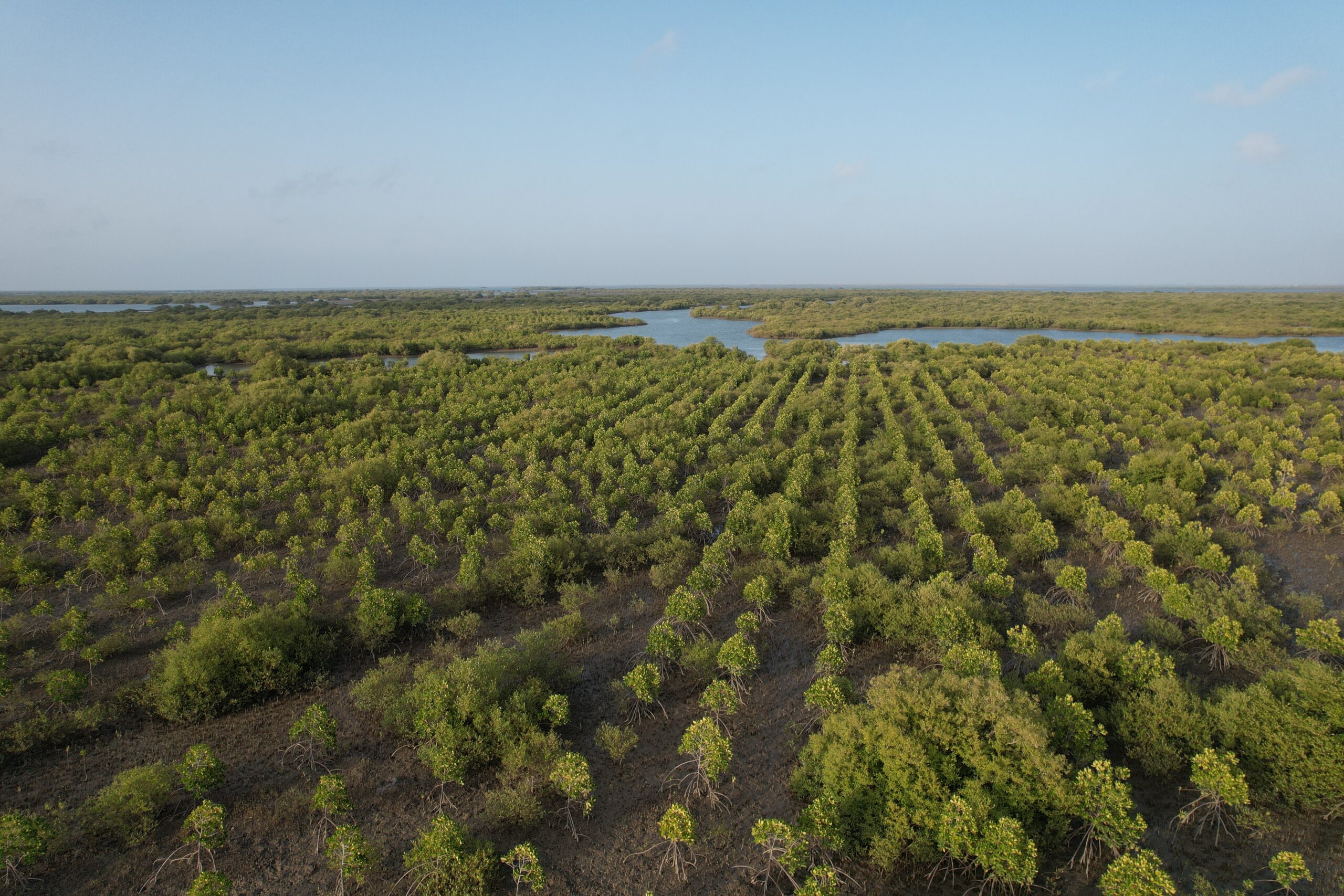
Mudflats are critical feeding grounds that sustain large numbers of migratory shorebirds, particularly during winter. Their productivity supports the energy requirements of species traveling along international flyways, making them essential to the survival of migratory bird populations.
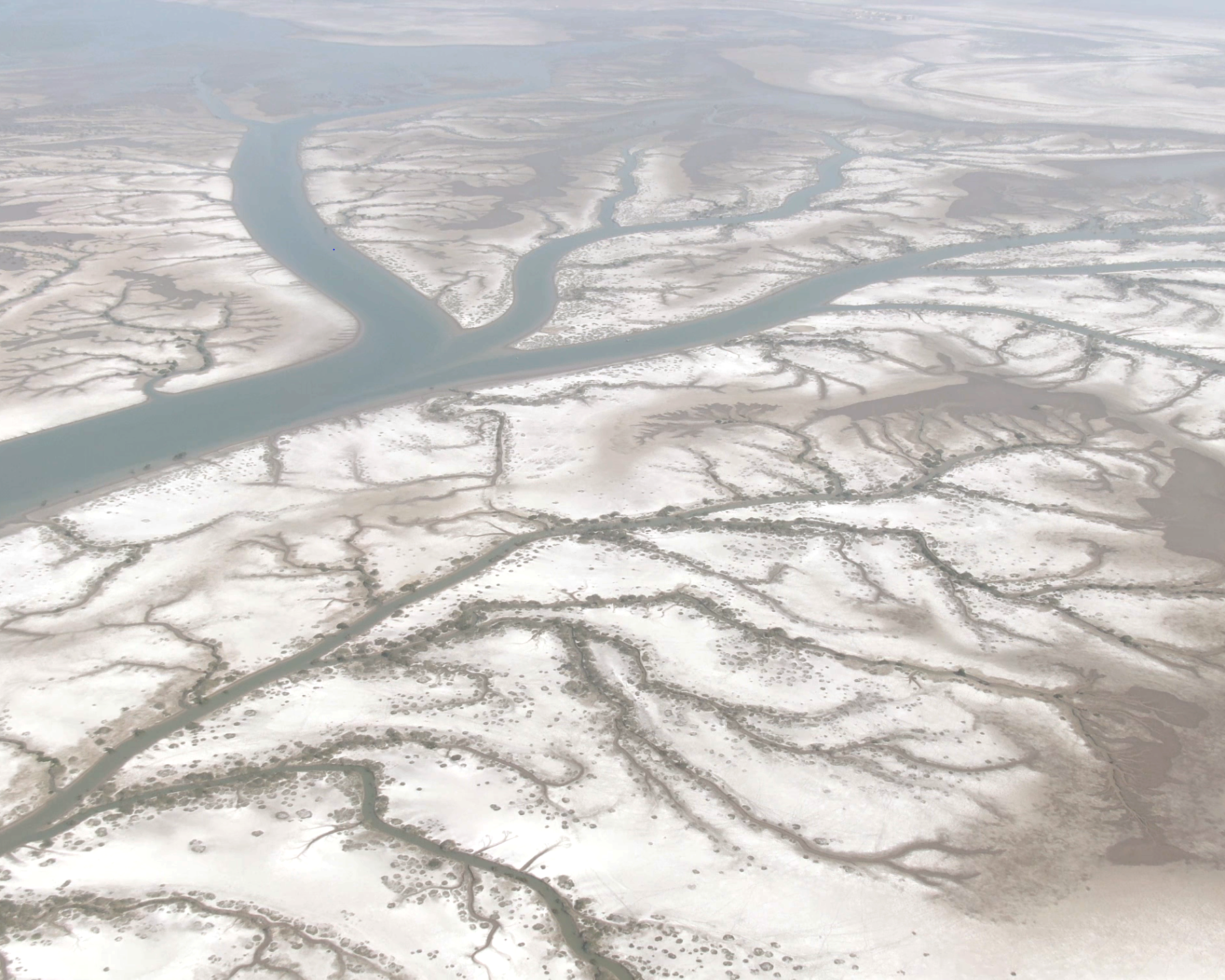
The network of tidal creeks and estuaries facilitates the exchange of nutrients and sediments across the delta, supporting aquatic biodiversity and maintaining ecosystem productivity. These waterways provide habitat for fish and other aquatic organisms while also functioning as ecological corridors connecting different habitat types.
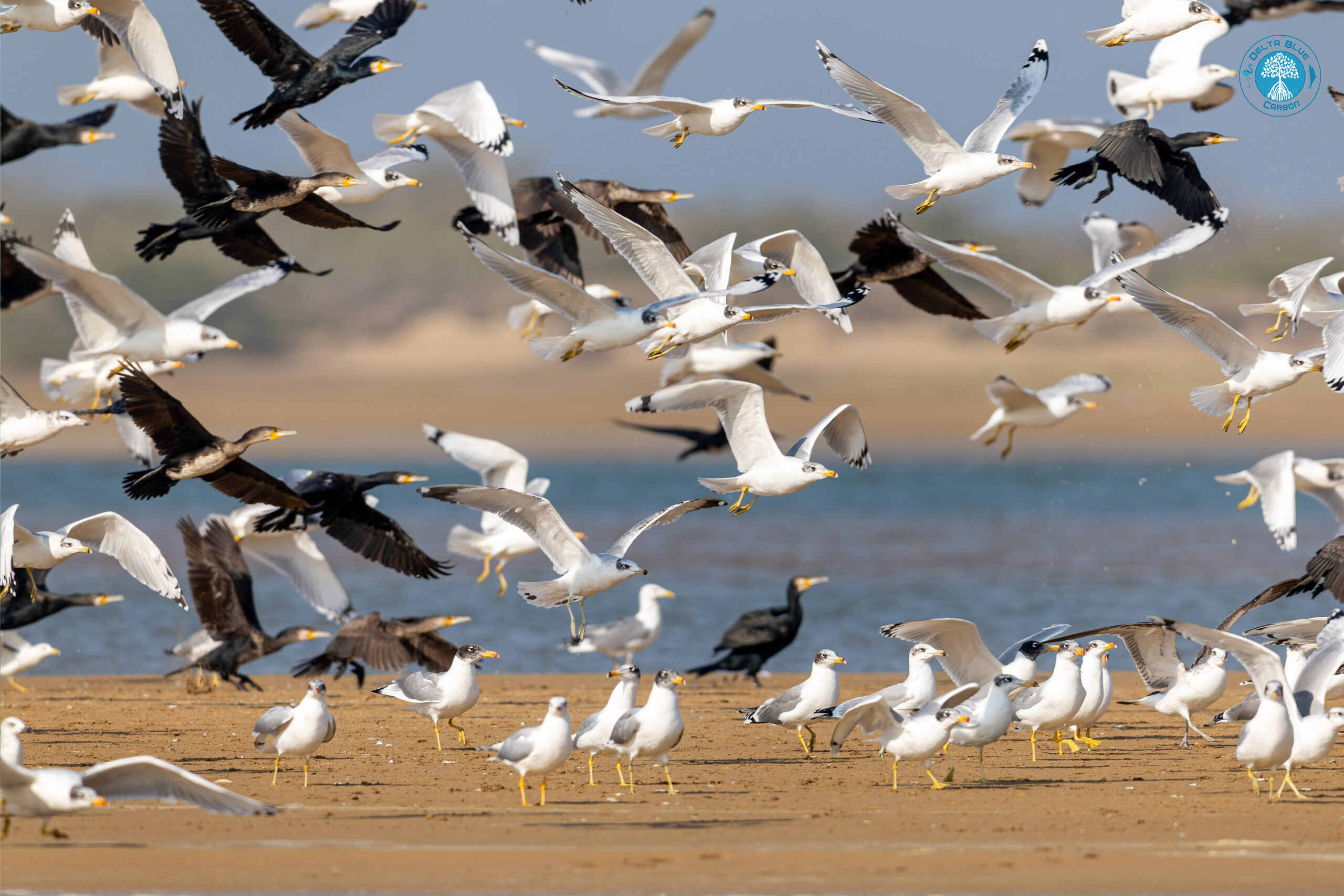
Sandbars provide critical resting and refuge areas for coastal birds, particularly during high tide when feeding grounds are submerged. These relatively undisturbed spaces are essential for supporting bird populations within the dynamic coastal environment.
INDIAN OCEAN HUMPBACK DOLPHIN
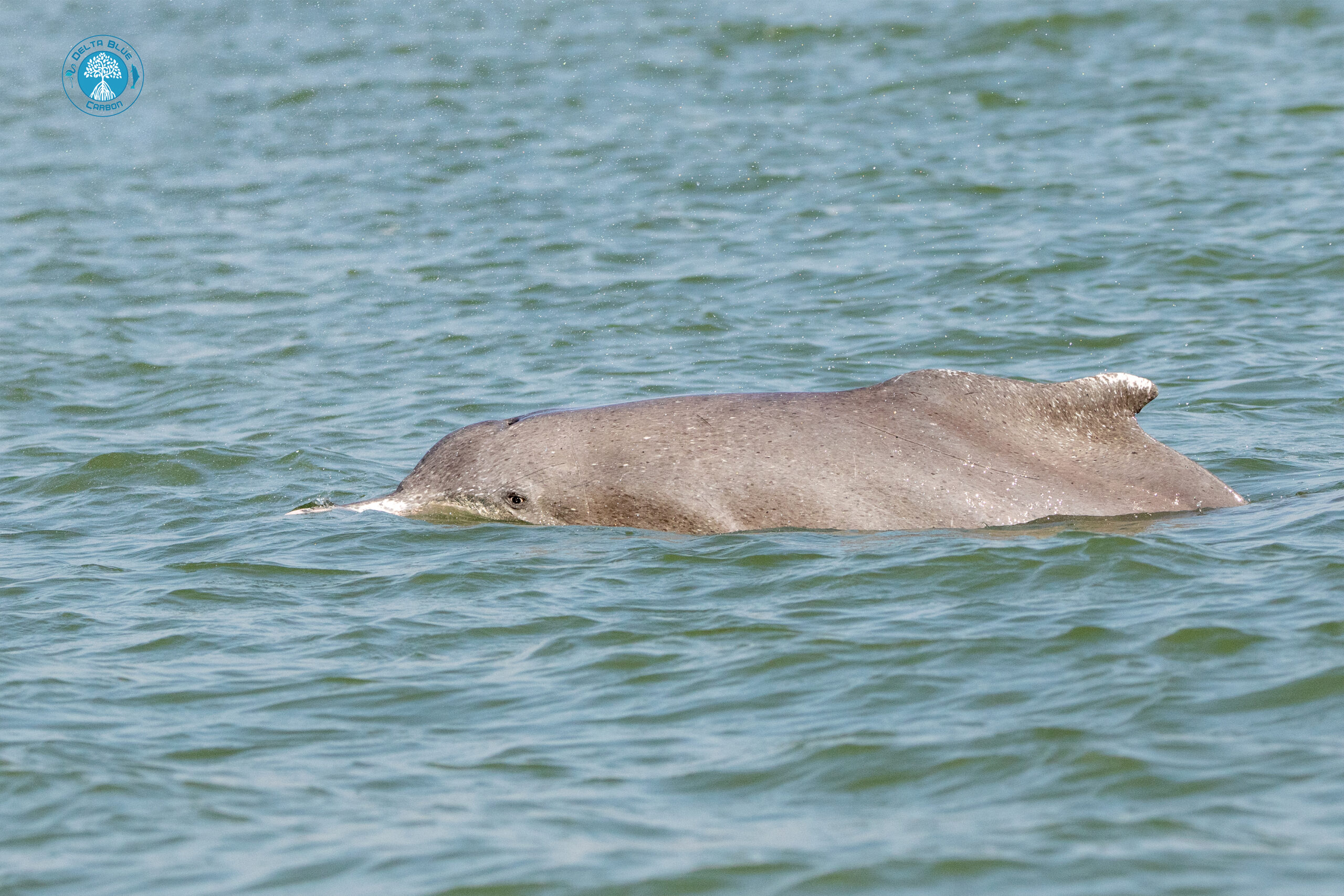
Endangered | Coastal Marine Species
The Indian Ocean humpback dolphin is a coastal species found in shallow marine waters and estuaries, often associated with mangrove-lined coastlines. Its presence reflects the health of nearshore ecosystems, but it faces increasing threats from habitat degradation, fishing activities, and coastal development.
EGYPTIAN VULTURE
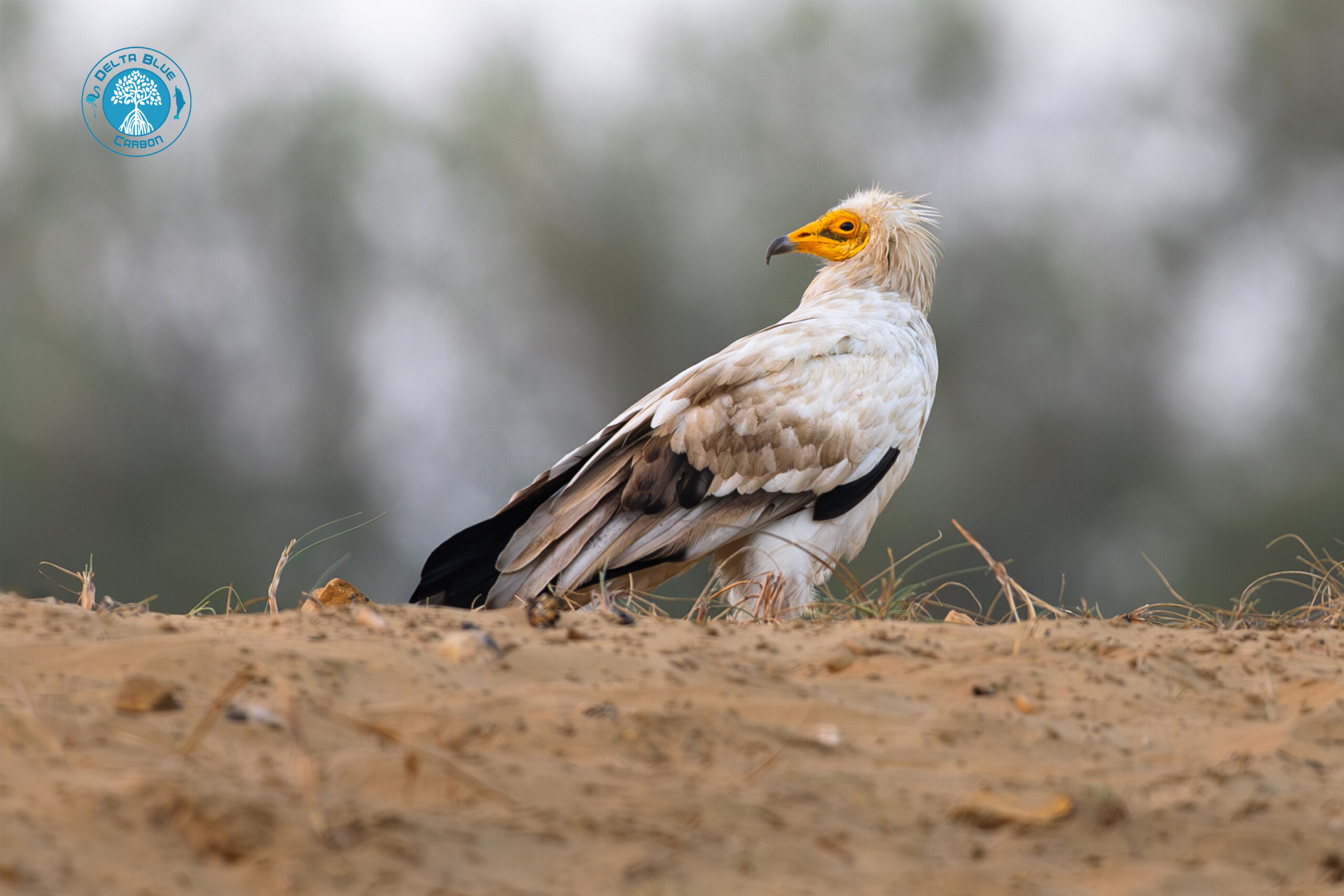
Endangered | Scavenger Species
The Egyptian vulture is a globally endangered scavenger that plays a crucial role in maintaining ecosystem health by consuming carrion and organic waste. Its declining population is a growing concern, with threats including poisoning, habitat changes, and reduced food availability. Its presence highlights the importance of protecting open and coastal ecosystems within the region.
FISHING CAT
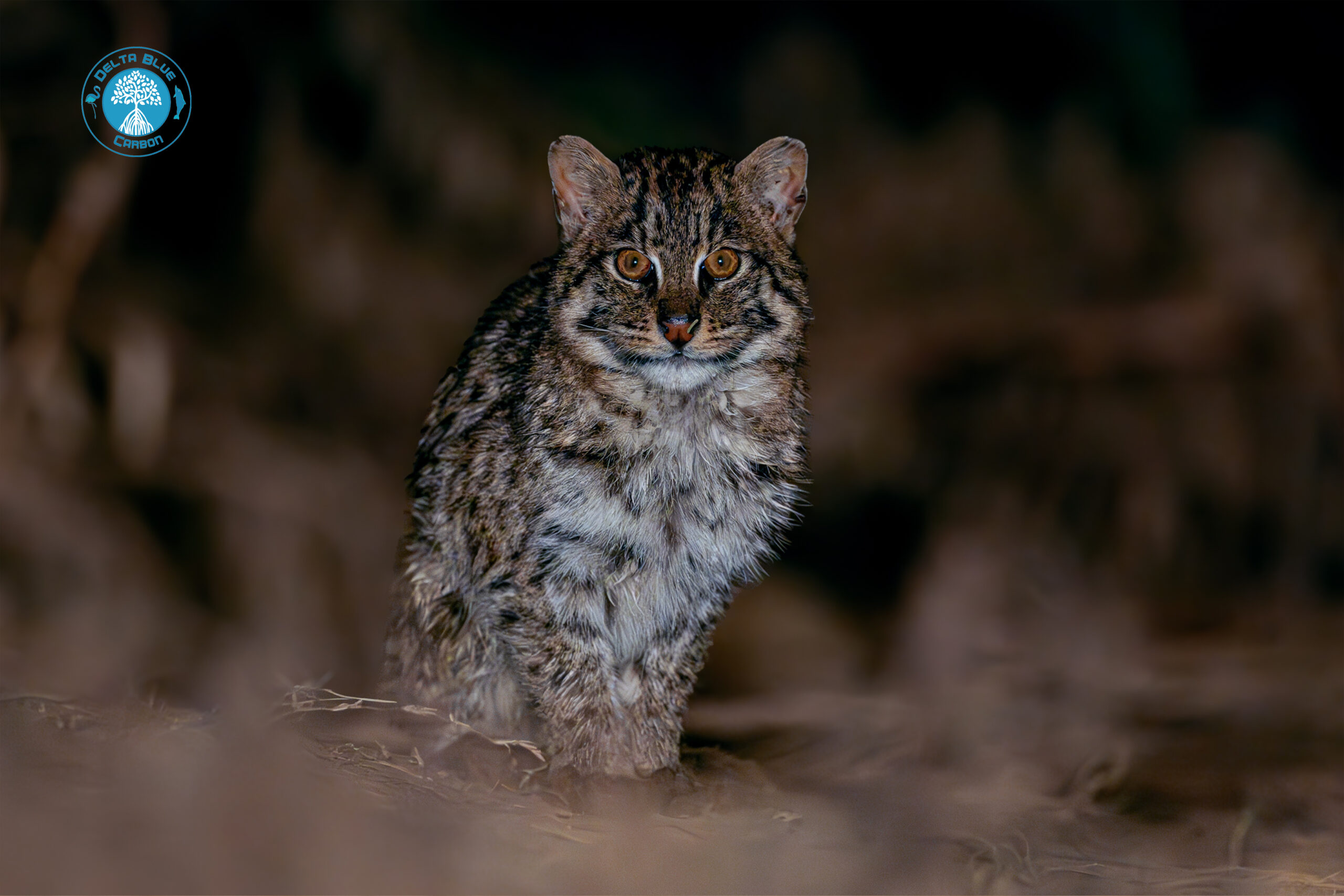
Vulnerable | Wetland Specialist
The fishing cat is a rare and elusive wetland predator closely associated with mangrove ecosystems. Its presence indicates healthy and functioning coastal habitats, making it a key flagship species for conservation in the Indus Delta.
MIGRATORY BIRDS
Central Asian Flyway
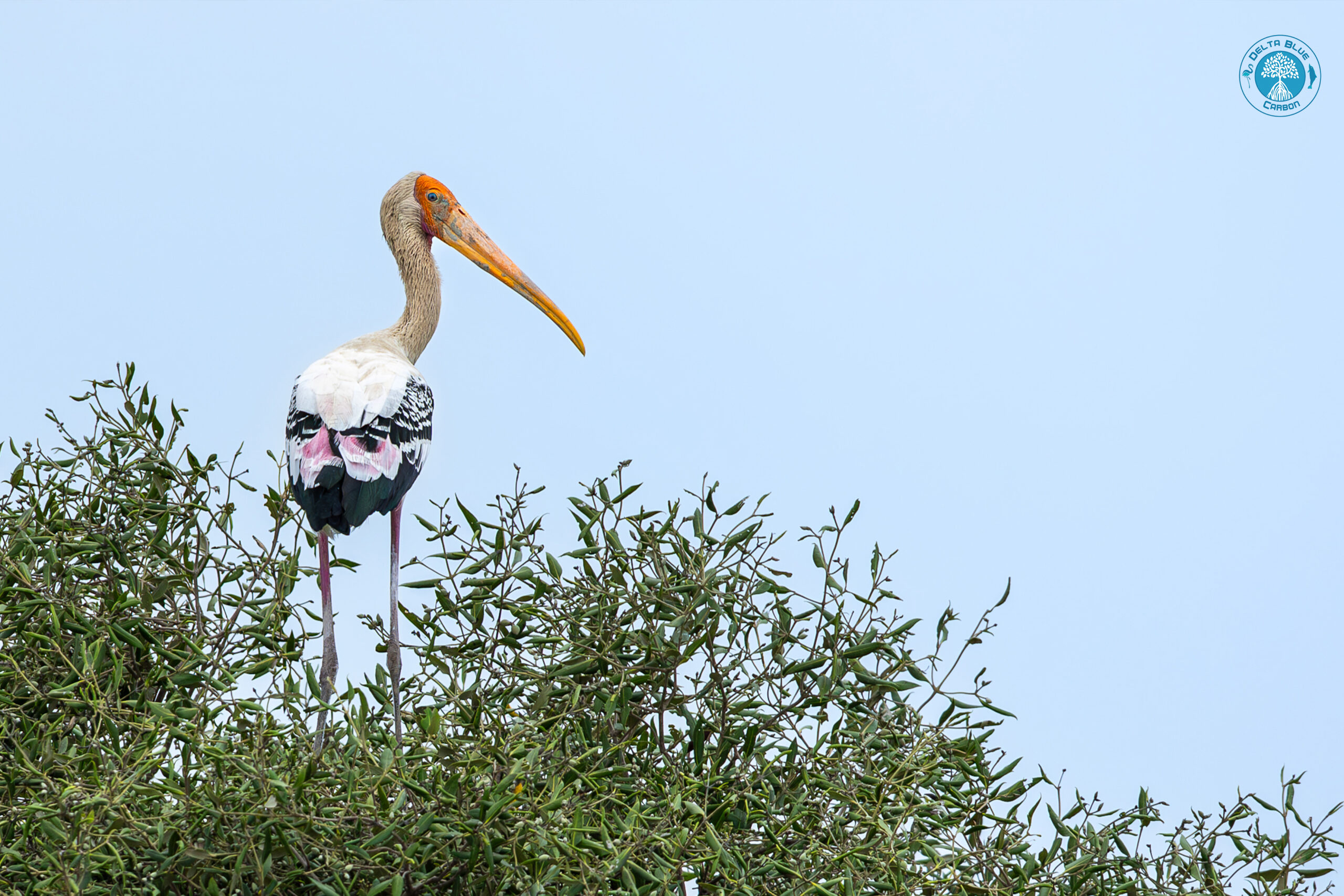
Large numbers of migratory shorebirds rely on the delta’s mudflats during winter, making it a critical site along the Central Asian Flyway. These species depend on the availability of intertidal feeding grounds for survival.

3
ENDANGERED SPECIES

4
VULNERABLE

10
NEAR-THREATENED
CONSERVATION INTERVENTIONS
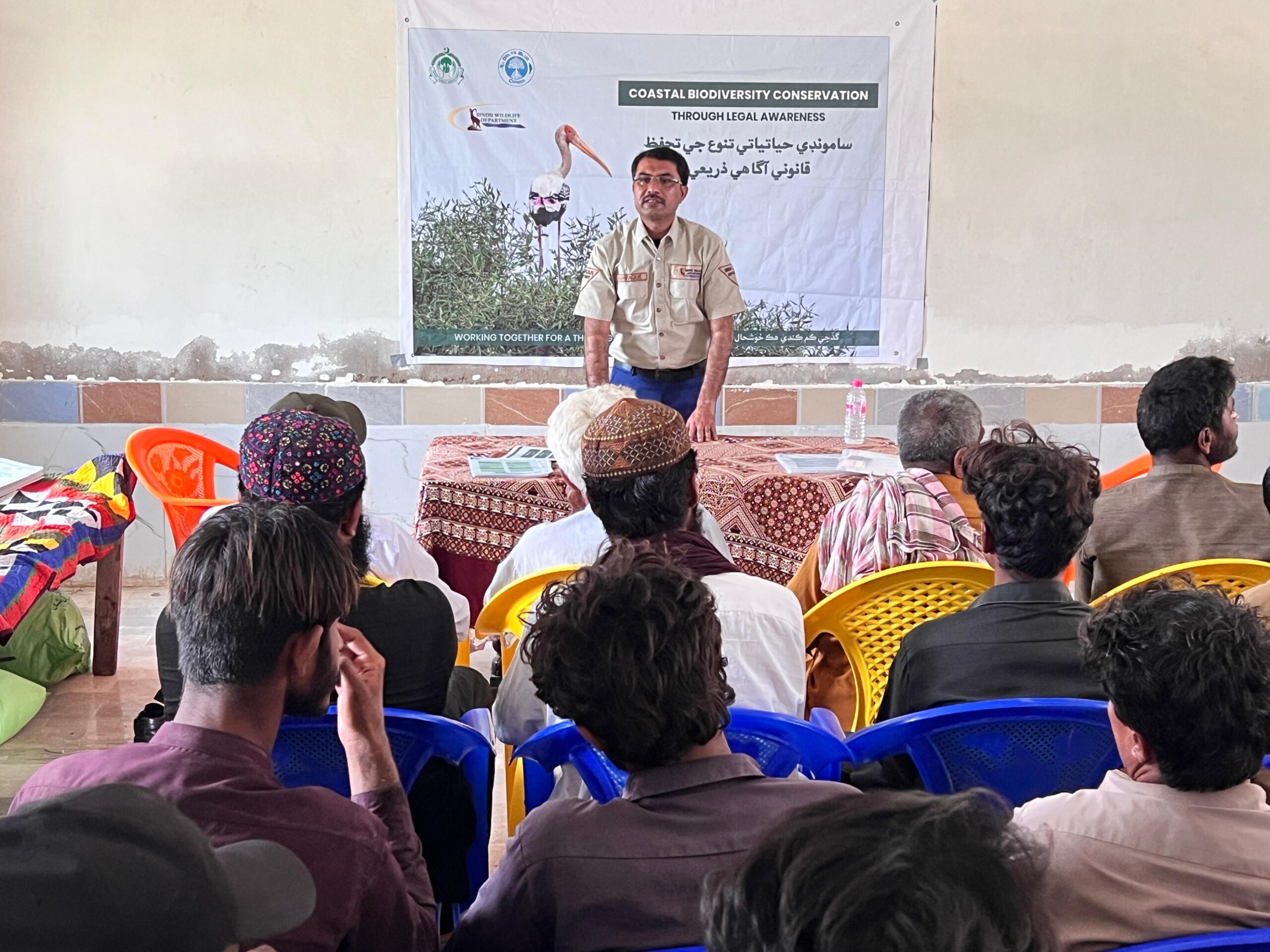
To protect and enhance biodiversity within the Indus Delta, a range of targeted conservation interventions are being implemented. These efforts focus on habitat restoration, species protection, community engagement, and strengthening environmental awareness.
MANGROVE RESTORATION
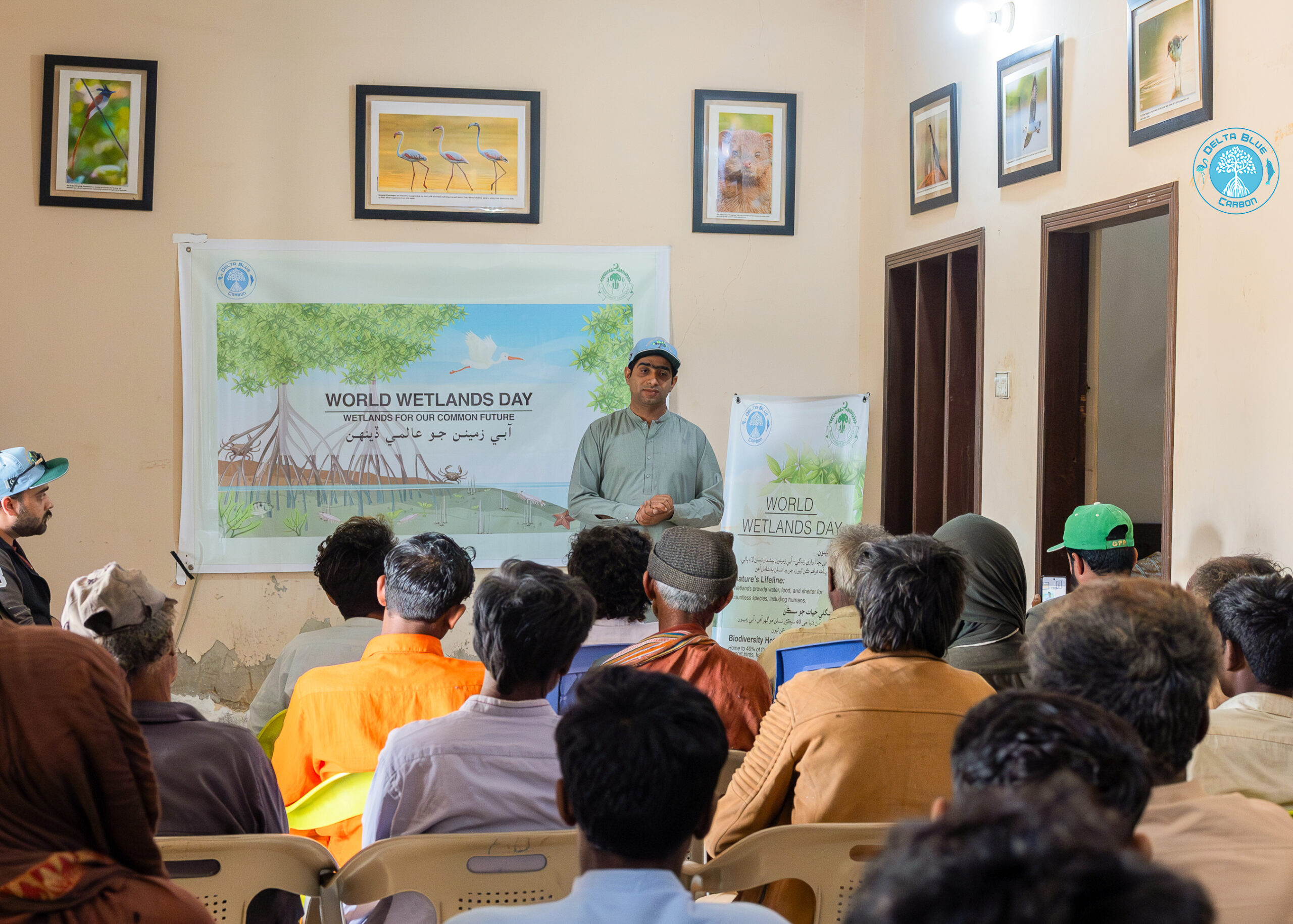
COMMUNITY ENGAGEMENT
ANTI-POACHING AND PROTECTION