FEATURED SPECIES

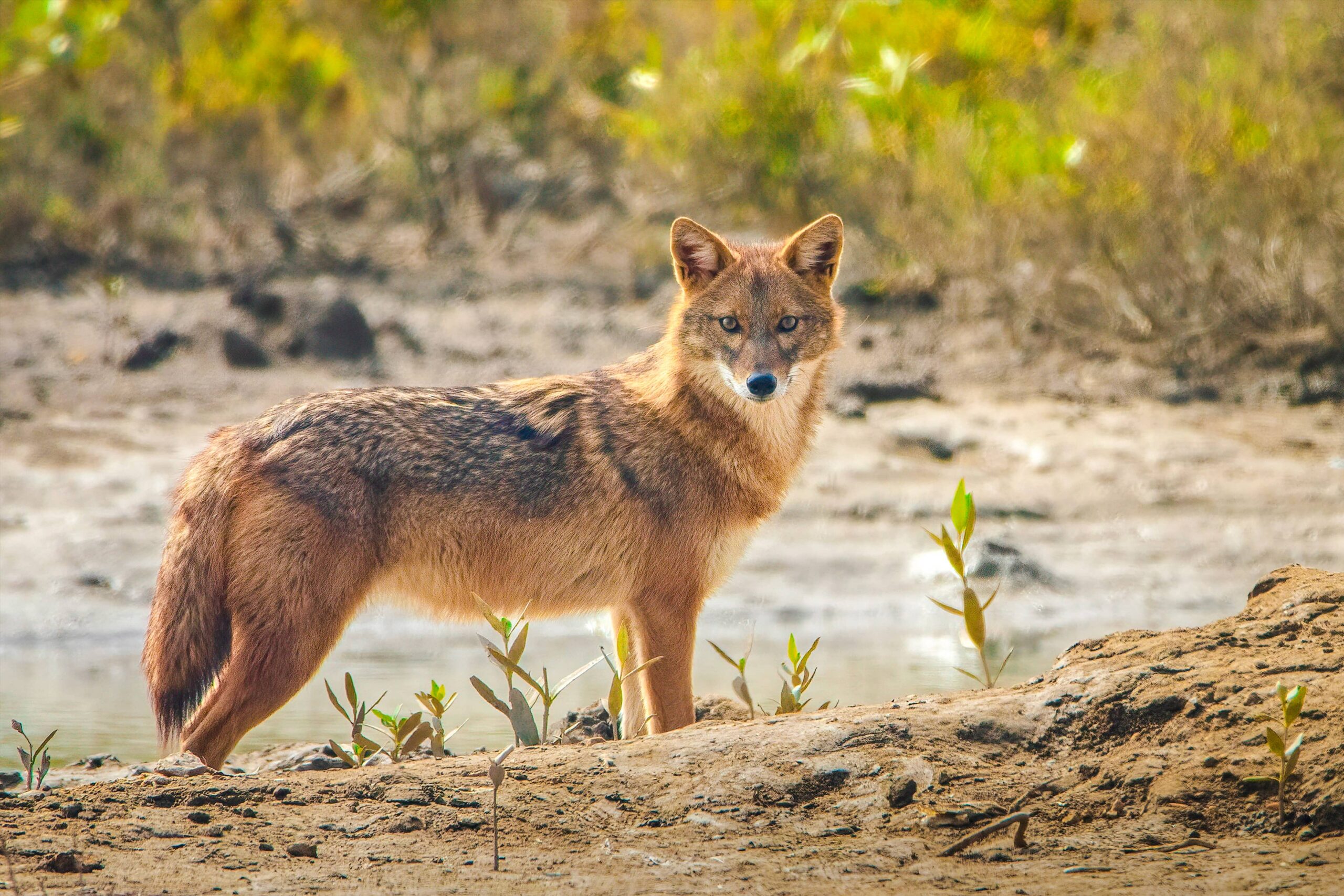
Golden Jackal

Golden Jackal is one of the most adaptable mammals, frequently inhabiting mangrove edges, mudflats, and coastal scrublands. Often active during the quieter hours of the day, this intelligent predator plays an important ecological role in maintaining the balance of the delta’s fragile coastal ecosystem.

EXPLORE MAMMALS DIVERSITY

Explore the mammals diversity recorded across our project area, from migratory shorebirds and majestic raptors to wetland specialists and colorful passerines inhabiting the coastal ecosystems of the Indus Delta.

Steppe Eagle in the Indus Delta Vulnerable

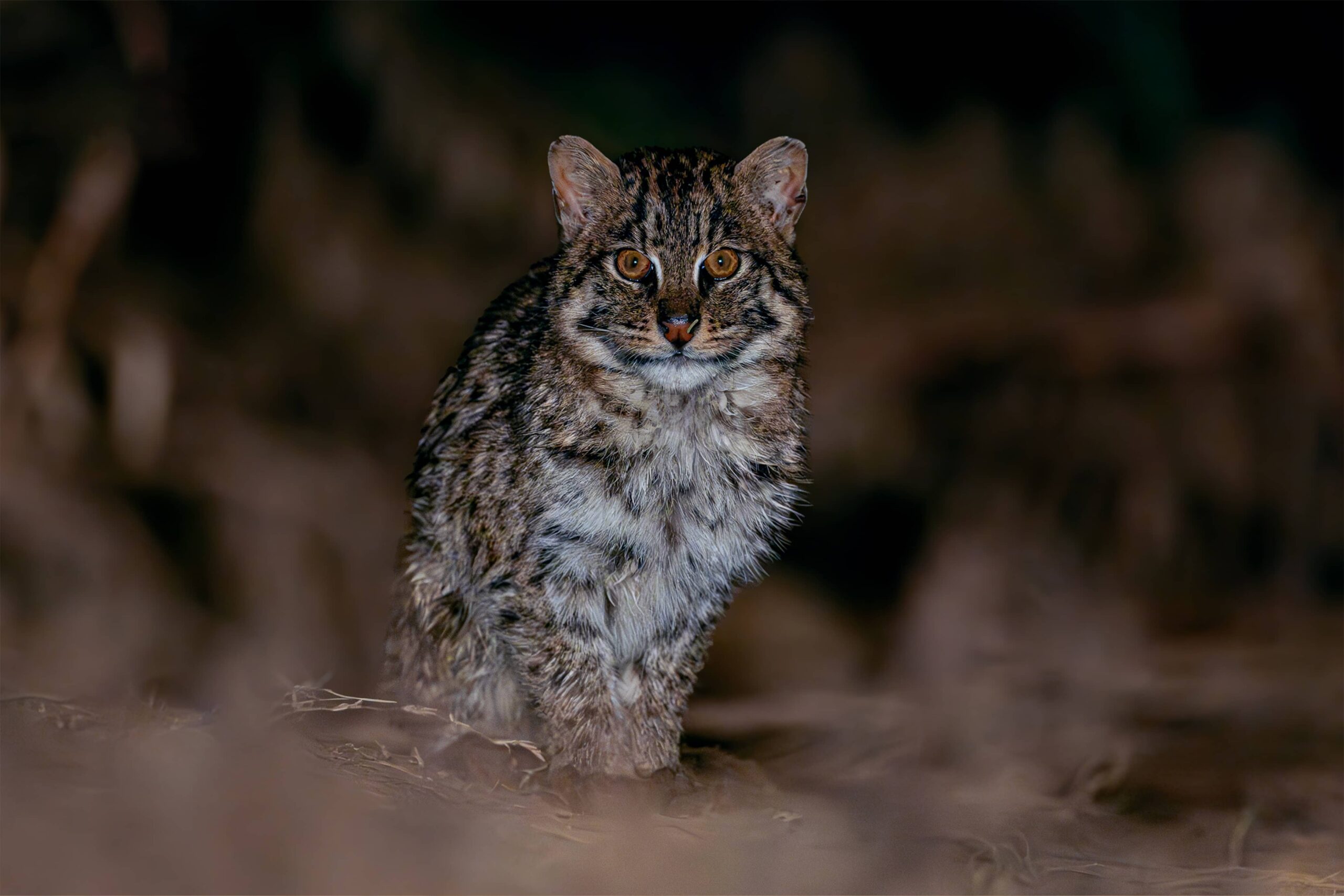
Fishing Cat

Prionailurus viverrinus


Habitat Dense mangrove forest, coastal wetlands, marshes, and riverine habitats with abundant fish and aquatic prey.
Diet Fish, crustaceans, frogs, small mammals, birds, and aquatic invertebrates caught from the water's edge.
Steppe Eagle in the Indus Delta Least concern

Desert Hare

Lepus tibetanus


Habitat Sandy desert margins, dry scrubland, arid grassland, and open coastal plains near the project boundary.
Diet Grasses, herbs, shrubs, roots, and dry plant matter grazed nocturnally.
Steppe Eagle in the Indus Delta Least concern

Golden Jackal

Canis aureus


Habitat Mangrove forest margins, dry scrubland, coastal grassland, mudflats, and agricultural areas near the delta.
Diet Small mammals, birds, reptiles, carrion, fruits, insects, and human refuse, a highly adaptable omnivore.
Steppe Eagle in the Indus Delta Least concern

Indian Crested Procupine

Hystrix indica


Habitat Dry forest, rocky scrubland, agricultural edges, and open coastal woodland near the delta.
Diet Roots, tubers, bark, fallen fruits, bones, and agricultural crops, a powerful nocturnal forager.
Steppe Eagle in the Indus Delta Least concern

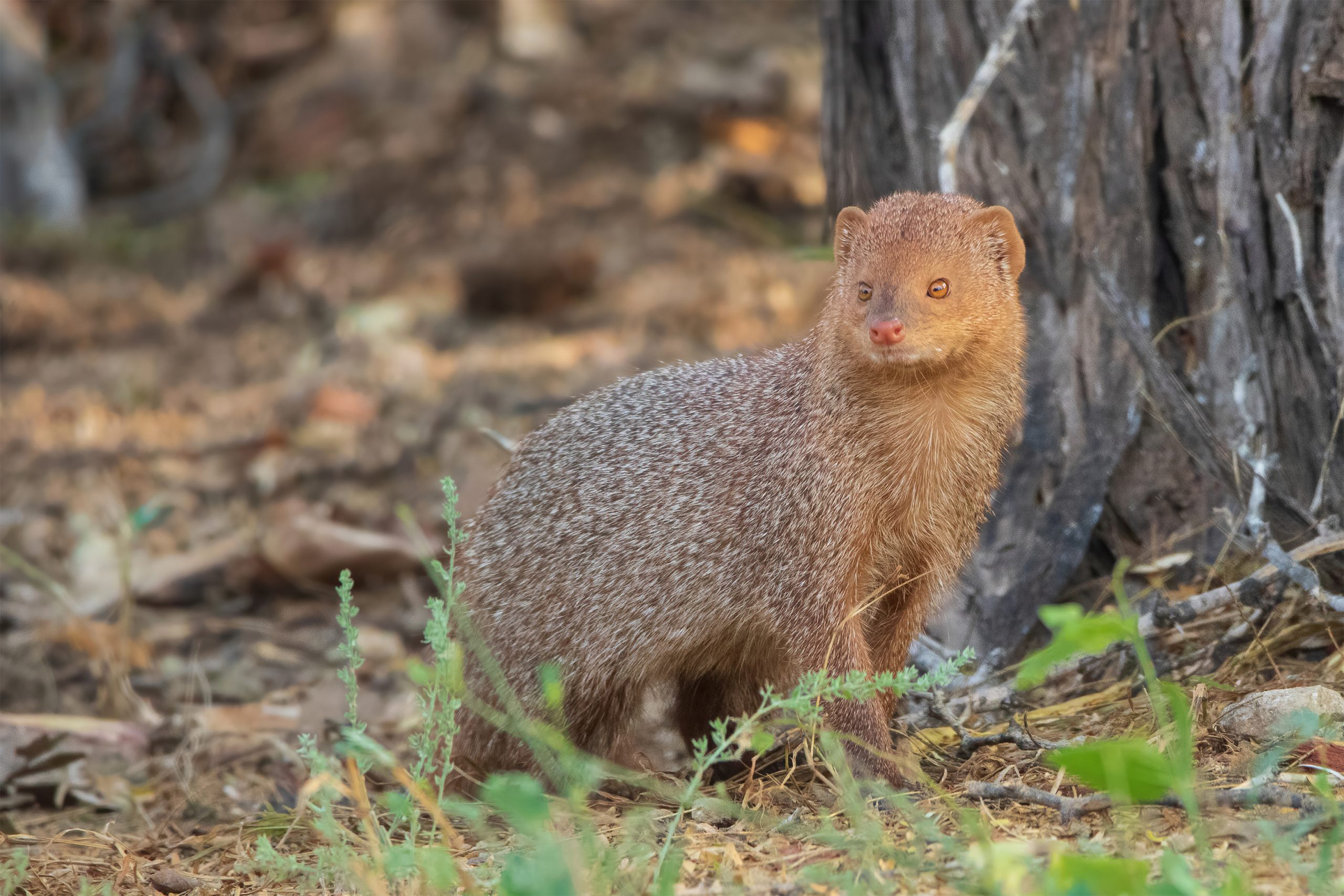
Indian Gray Mongoose

Herpestes edwardsii


Habitat Mangrove edges, dry scrubland, rocky coastal areas, agricultural fields, and human settlements.
Diet Snakes, lizards, frogs, rodents, birds, eggs, insects, and invertebrates, a fearless and effective predator.
Steppe Eagle in the Indus Delta Least concern

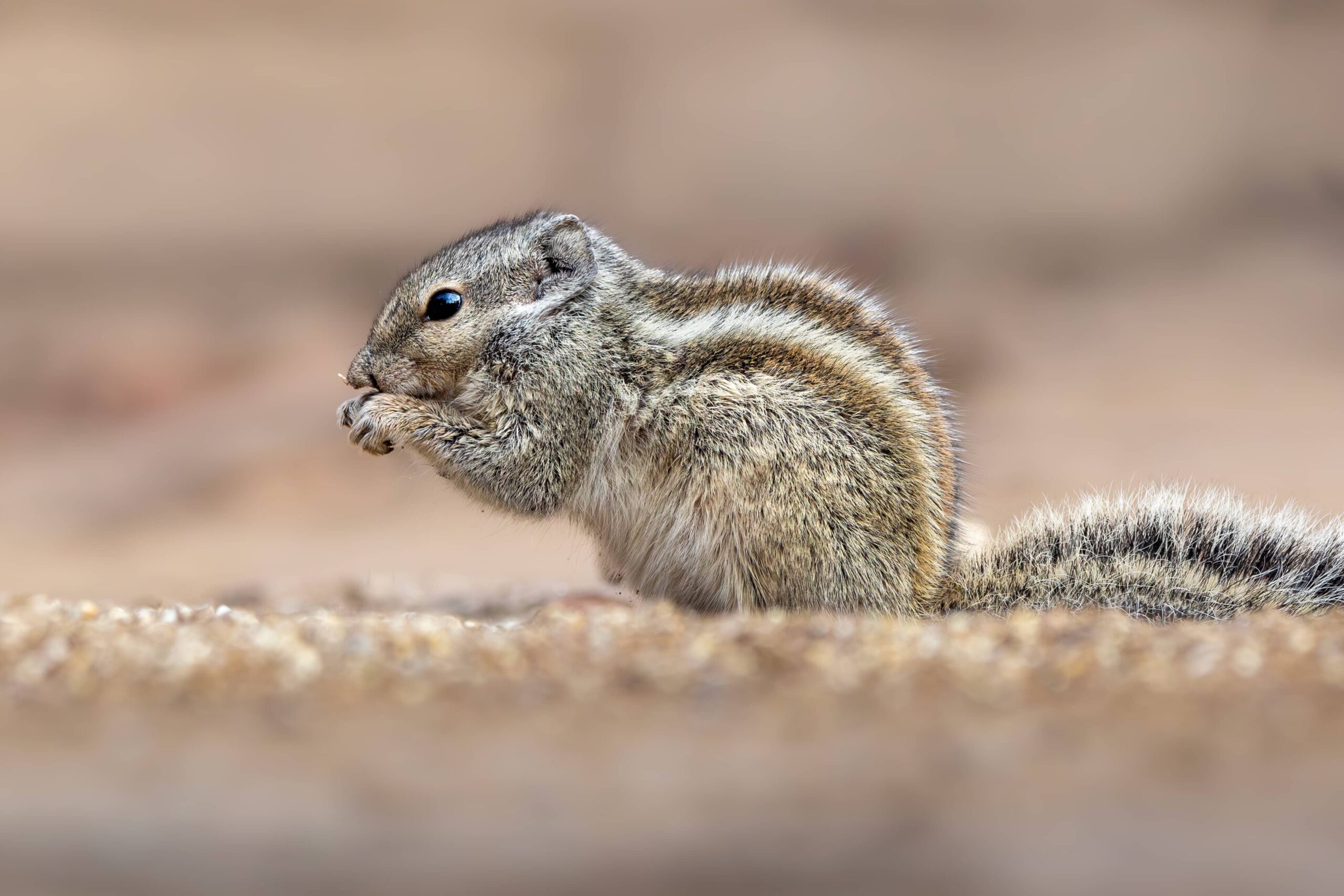
Indian Palm Squirrel

Funambulus palmarum


Habitat Mangrove canopy, scrub woodland, coastal plantations, gardens, and fruiting trees near human settlements.
Diet Fruits, seeds, nuts, flowers, nectar, bark, and occasionally insects; an active canopy forager.
Steppe Eagle in the Indus Delta Least concern

Long-eared Hedgehog

Hemiechinus auritus


Habitat Arid and semi-arid scrubland, sandy desert margins, dry grassland, and coastal plains near the project boundary.
Diet Insects, beetles, worms, small reptiles, bird eggs, and plant matter foraged nocturnally.
Steppe Eagle in the Indus Delta Least concern

Wild Boar

Sus scrofa


Habitat Mangrove forest, dense scrub, freshwater wetlands, agricultural areas, and coastal woodland.
Diet Roots, tubers, fallen fruits, invertebrates, small vertebrates, carrion, and agricultural crops, a highly adaptable omnivore.
Steppe Eagle in the Indus Delta Least concern

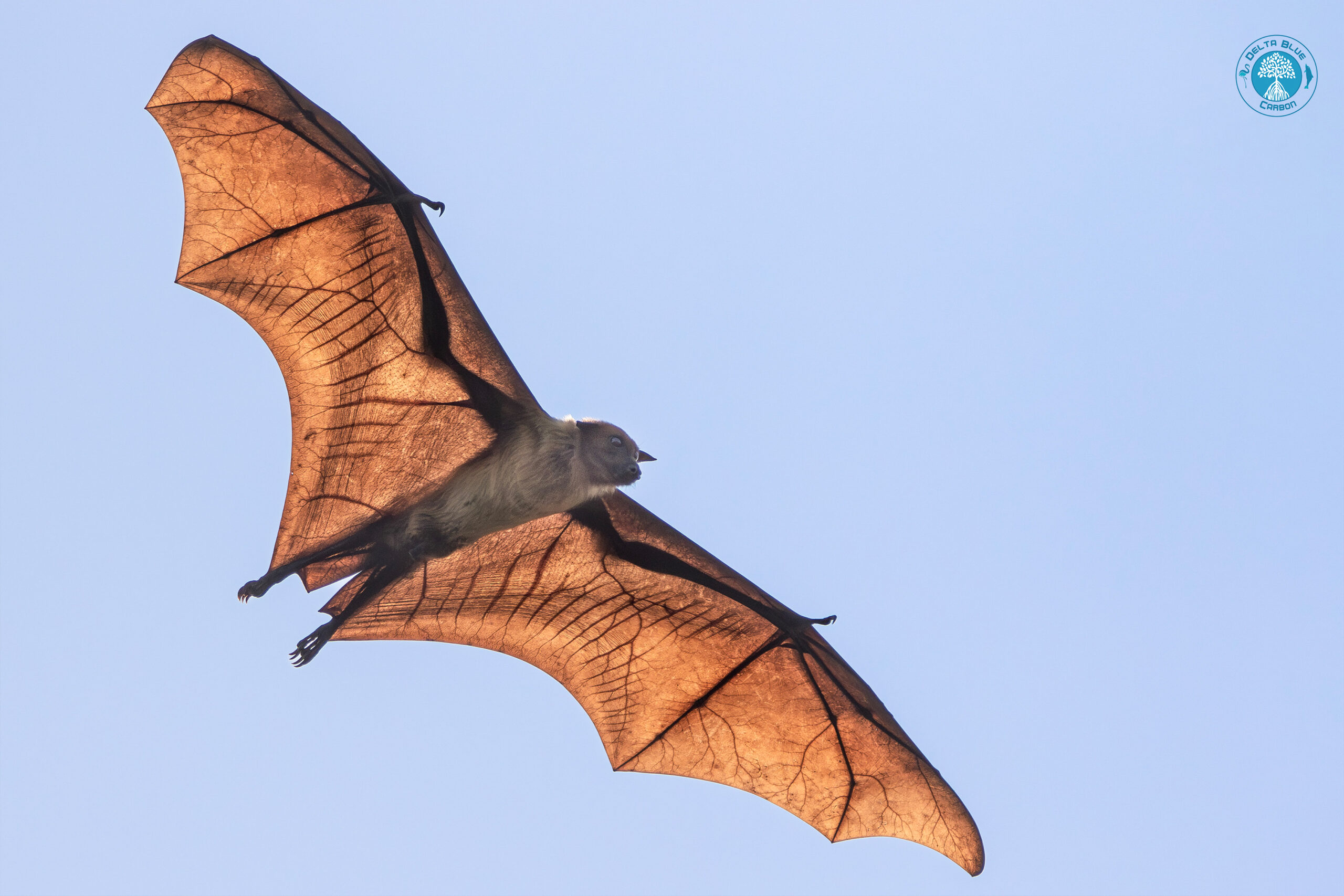
Indian Flying Fox

Pteropus medius


Habitat Coastal woodlands, agricultural plantations, urban green spaces, and tall trees used for communal roosting colonies.
Diet Primarily ripe fruits, nectar, and flowers; also plays an important ecological role in pollination and seed dispersal.
.
Steppe Eagle in the Indus Delta Least concern

Indian Desert Jird

Meriones hurrianae


Habitat Sandy desert margins, arid scrubland, dune systems, and dry open ground near the project boundary.
Diet Seeds, grains, dried plant material, and occasionally insects collected and stored in burrow systems.