BIRDS DIVERSITY

NIGHTJARS

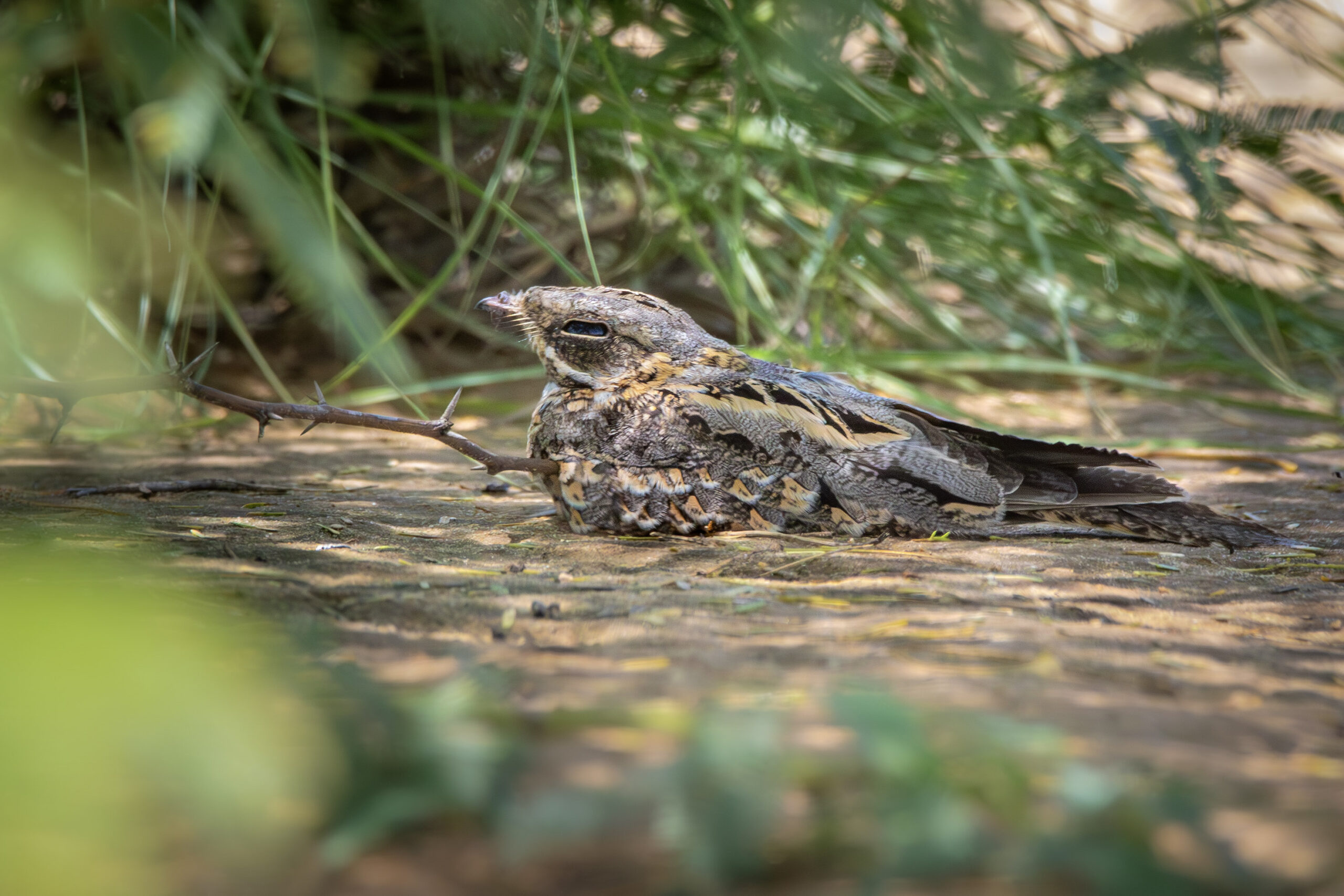
Nightjars add a distinctive nocturnal element to the avifaunal diversity of the Indus Delta landscape. Unlike most bird groups that are active during the day, nightjars are crepuscular and nocturnal, becoming active at dusk and continuing through the night. They are highly adapted aerial insectivores, feeding on flying insects such as moths and beetles, which they capture in flight using agile, silent manoeuvring and their wide, specialised gape. Their cryptic plumage allows them to remain perfectly camouflaged against the ground during daytime resting periods.

Steppe Eagle in the Indus Delta least Concern

Indian Nightjar

Caprimulgus asiaticus


Habitat Sandy open ground, dry scrubland, sparse coastal vegetation, and open margins at the edge of mangrove forest.
Diet Moths, beetles, and other large flying nocturnal insects caught in wide-gaping aerial pursuit during the night.