BIRDS DIVERSITY

PASSERINE AND SMALL BIRDS

Passerines and other small birds represent one of the most diverse and widespread components of the Indus Delta’s mangrove ecosystem. This group includes insectivorous, granivorous, and nectar-feeding species that occupy a variety of microhabitats, ranging from dense mangrove canopies and shrub layers to saltmarsh edges and adjoining agricultural landscapes. Their high species richness reflects the structural complexity of the habitat, where foliage density, flowering mangroves, and seasonal insect abundance provide continuous foraging opportunities throughout the year.

Steppe Eagle in the Indus Delta Least concern

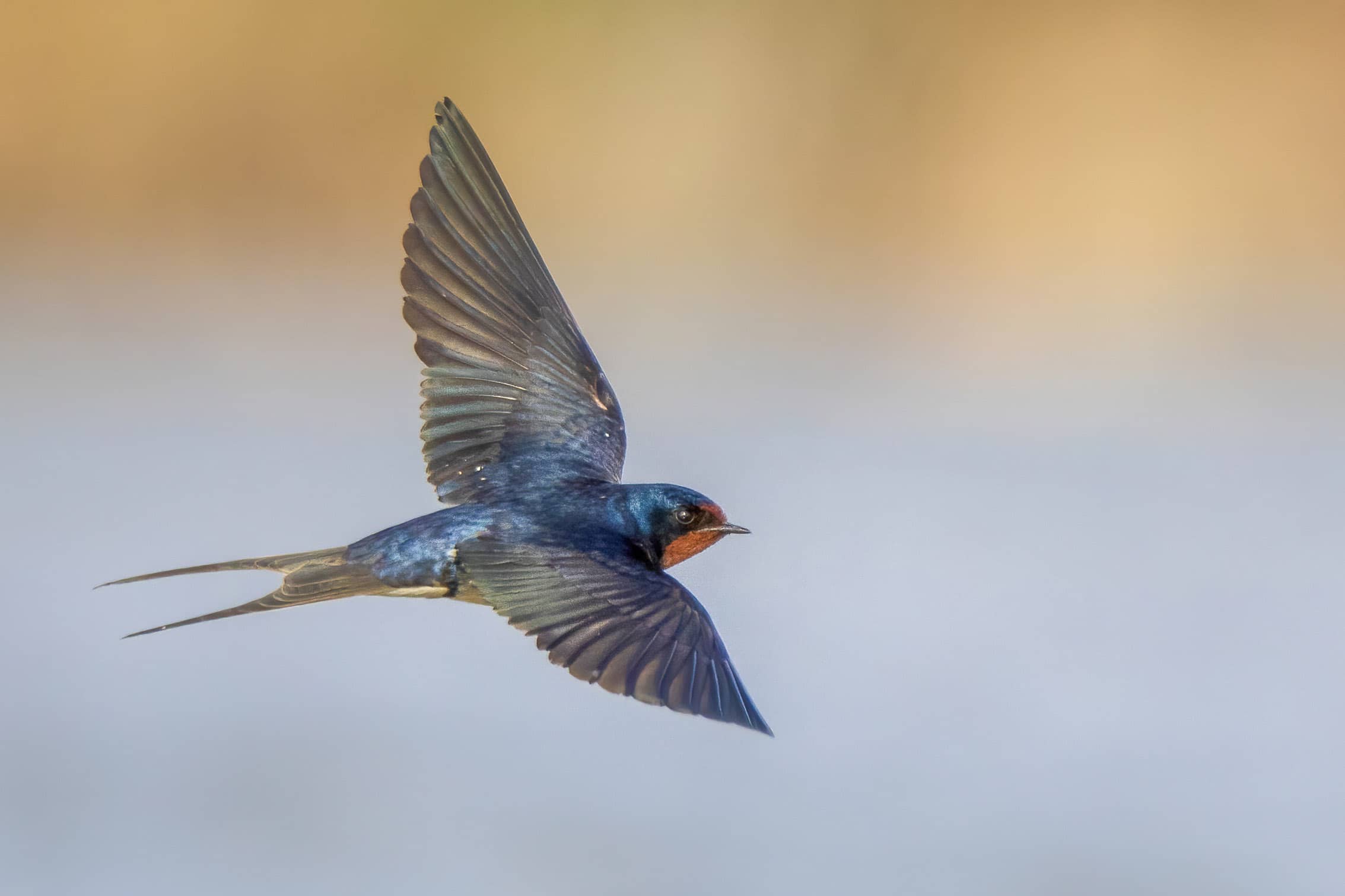
Barn Swallow

Hirundo rustica


Habitat Open coastal airspace, mangrove margins, agricultural areas, and any open habitat near water.
Diet Flying insects caught entirely in the air during long, sweeping aerial foraging flights.
Steppe Eagle in the Indus Delta Least concern

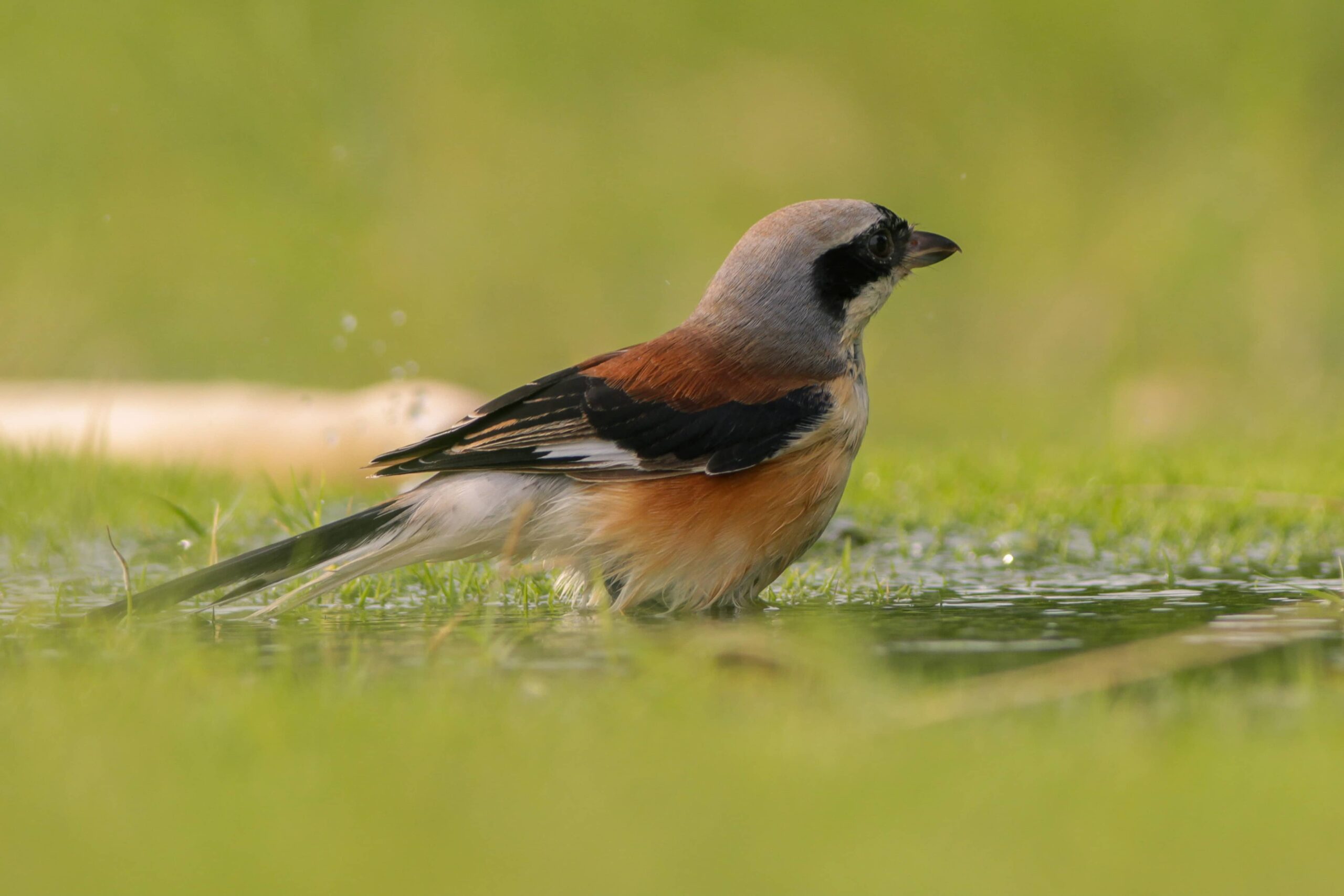
Bay-backed Shrike

Lanius vittatus


Habitat Open scrubland, dry thorn-scrub, mangrove margins, and coastal plains with scattered bushes.
Diet Large insects, small lizards, frogs, and occasionally small birds; prey is sometimes impaled on thorns.
Steppe Eagle in the Indus Delta Least concern

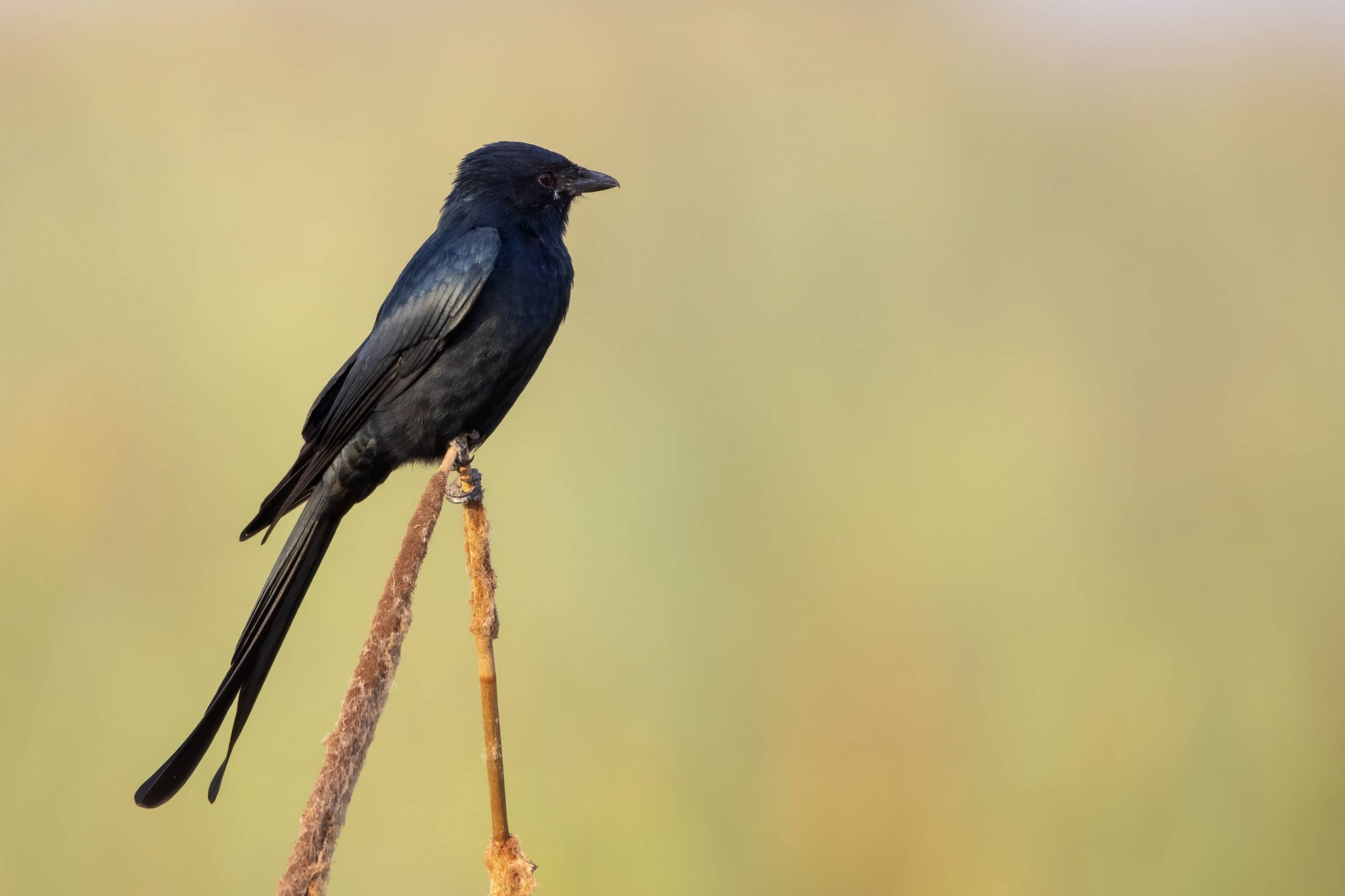
Black Drongo

Dicrurus macrocercus


Habitat Open scrubland, mangrove edges, agricultural margins, and any open habitat with exposed perches.
Diet Flying insects, particularly bees, wasps, and dragonflies, caught in aggressive aerial sallies.
Steppe Eagle in the Indus Delta Least concern

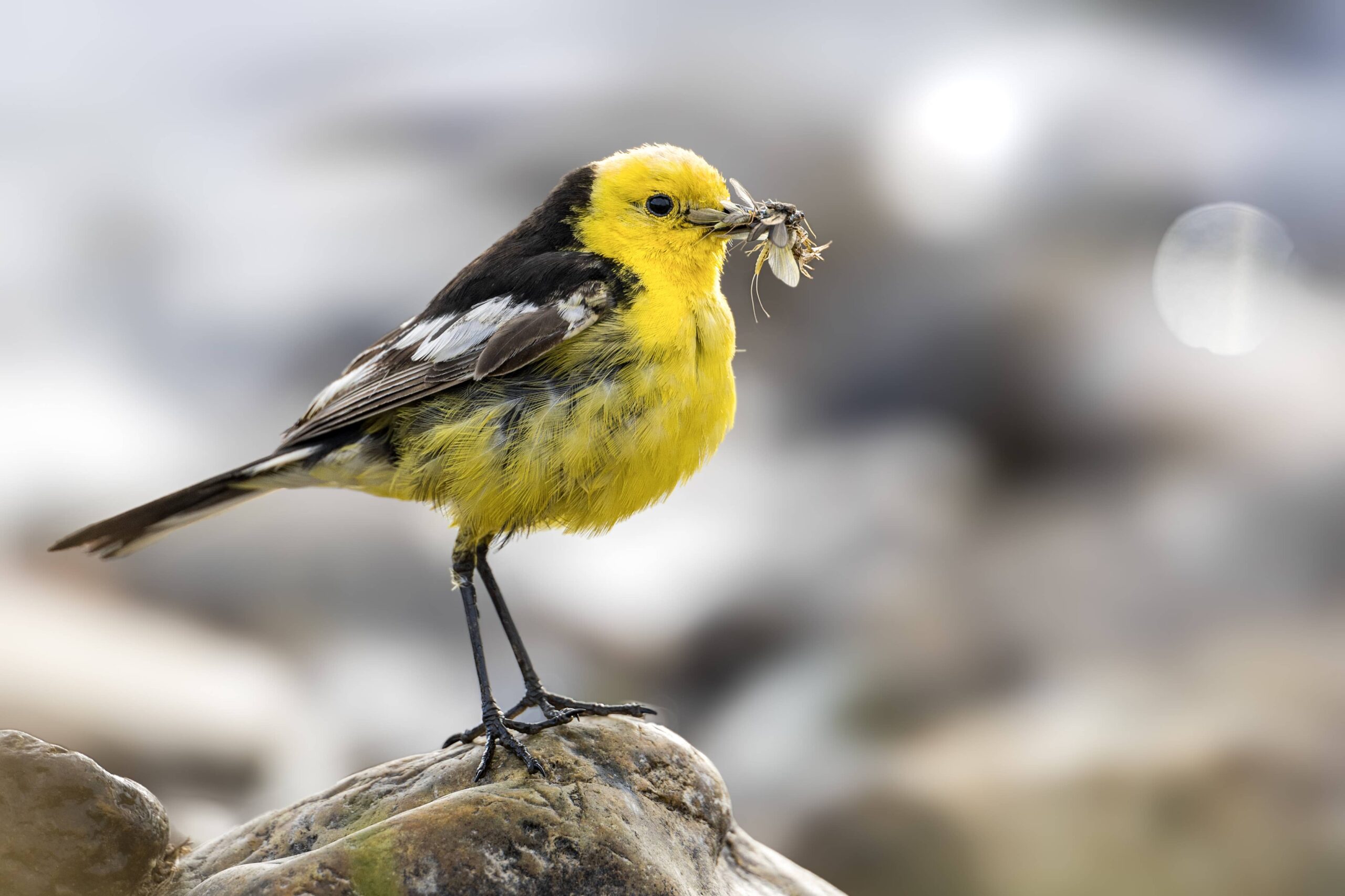
Citrine Wagtail

Motacilla citreola


Habitat Wet meadows, flooded coastal plains, mangrove mudflat margins, and shallow wetland edges.
Diet Aquatic insects, small invertebrates, and worms caught at the water margin.
Steppe Eagle in the Indus Delta Least concern

Clamorous Reed Warbler

Acrocephalus stentoreus


Habitat Dense mangrove reedbeds, marshy coastal vegetation, and rank vegetation near water.
Diet Insects, larvae, and small invertebrates gleaned from stems and leaves within dense reedbed cover.
Steppe Eagle in the Indus Delta Least concern

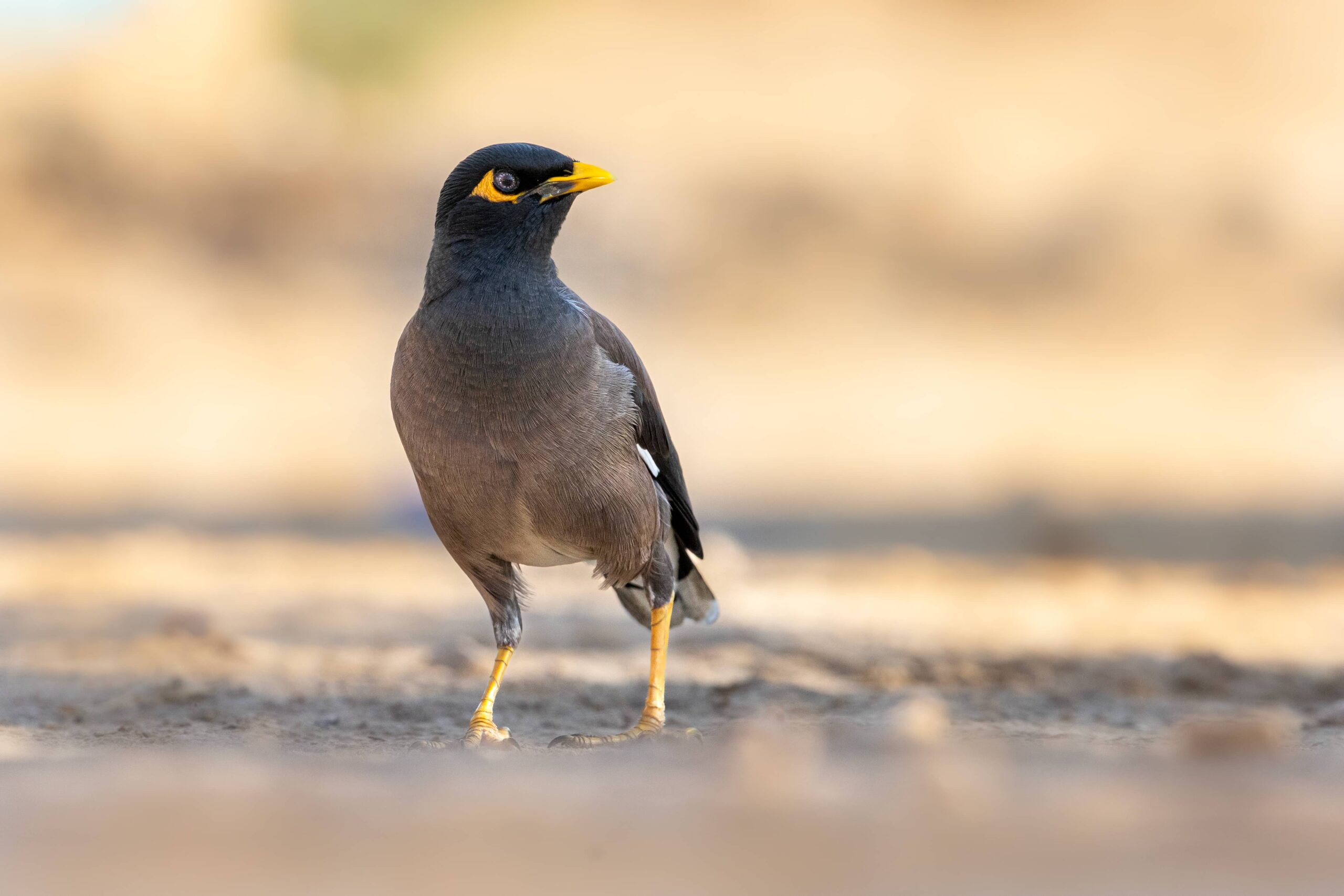
Common Myna

Acridotheres tristis


Habitat Agricultural land, human settlements, open scrubland, and mangrove margins near villages.
Diet Insects, earthworms, fruits, grains, scraps, and small vertebrates — a highly adaptable omnivore.
Steppe Eagle in the Indus Delta Least concern

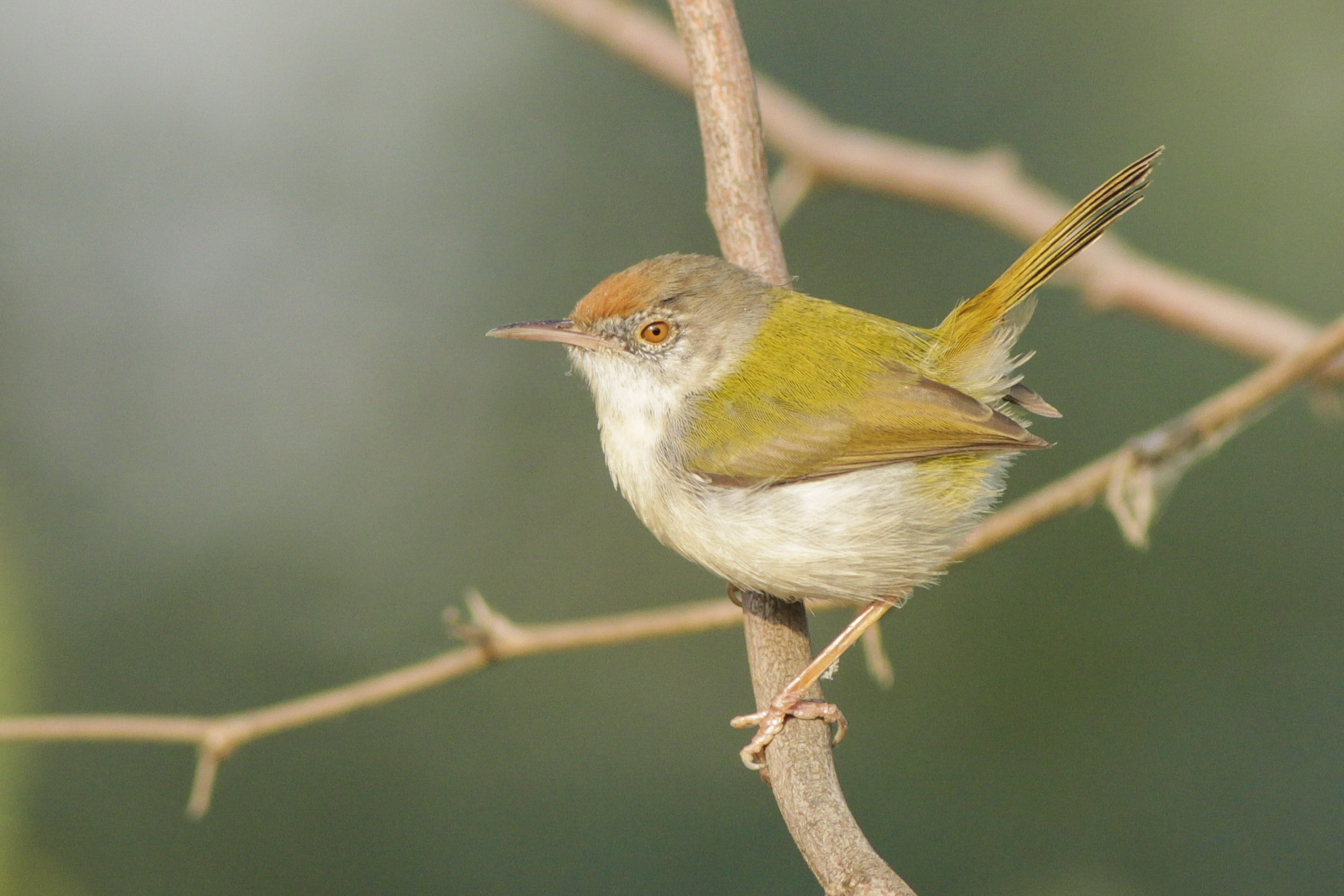
Common Tailorbird

Orthotomus sutorius


Habitat Dense mangrove understorey, scrub thickets, gardens, and any dense low vegetation.
Diet Insects, larvae, spiders, and small invertebrates gleaned from foliage in dense cover.
Steppe Eagle in the Indus Delta Least concern

Gray Wagtail

Motacilla cinerea


Habitat Rocky stream edges, mangrove creek banks, and any fast-flowing or rocky coastal water body.
Diet Aquatic insects, mayflies, midges, and small invertebrates caught near fast-moving water.
Steppe Eagle in the Indus Delta Least concern

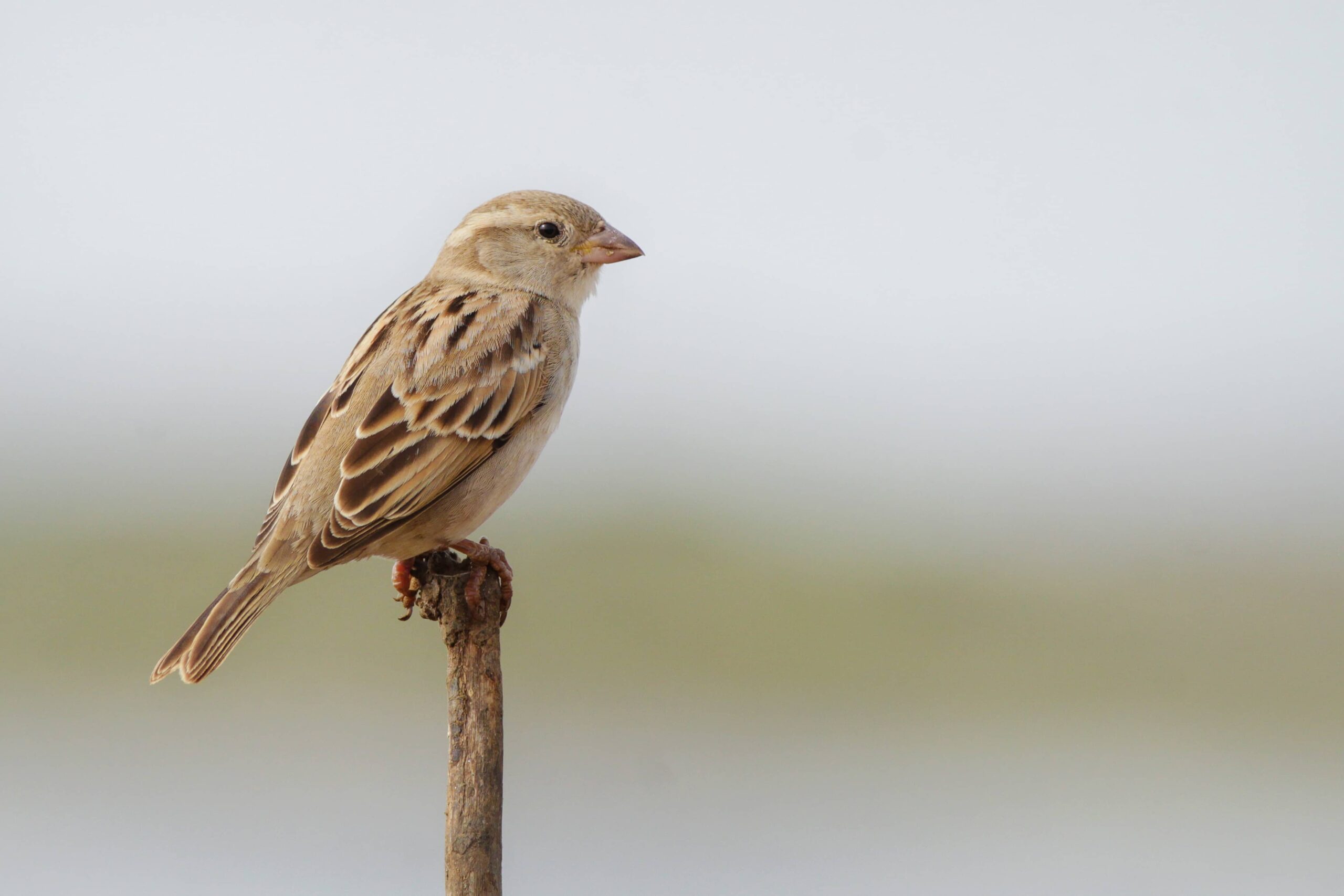
House Sparrow

Passer domesticus


Habitat Human settlements adjacent to the project area, agricultural margins, and scrubland near buildings
Diet Seeds, grains, insects, and human food waste; an adaptable and highly social species.
Steppe Eagle in the Indus Delta Least concern

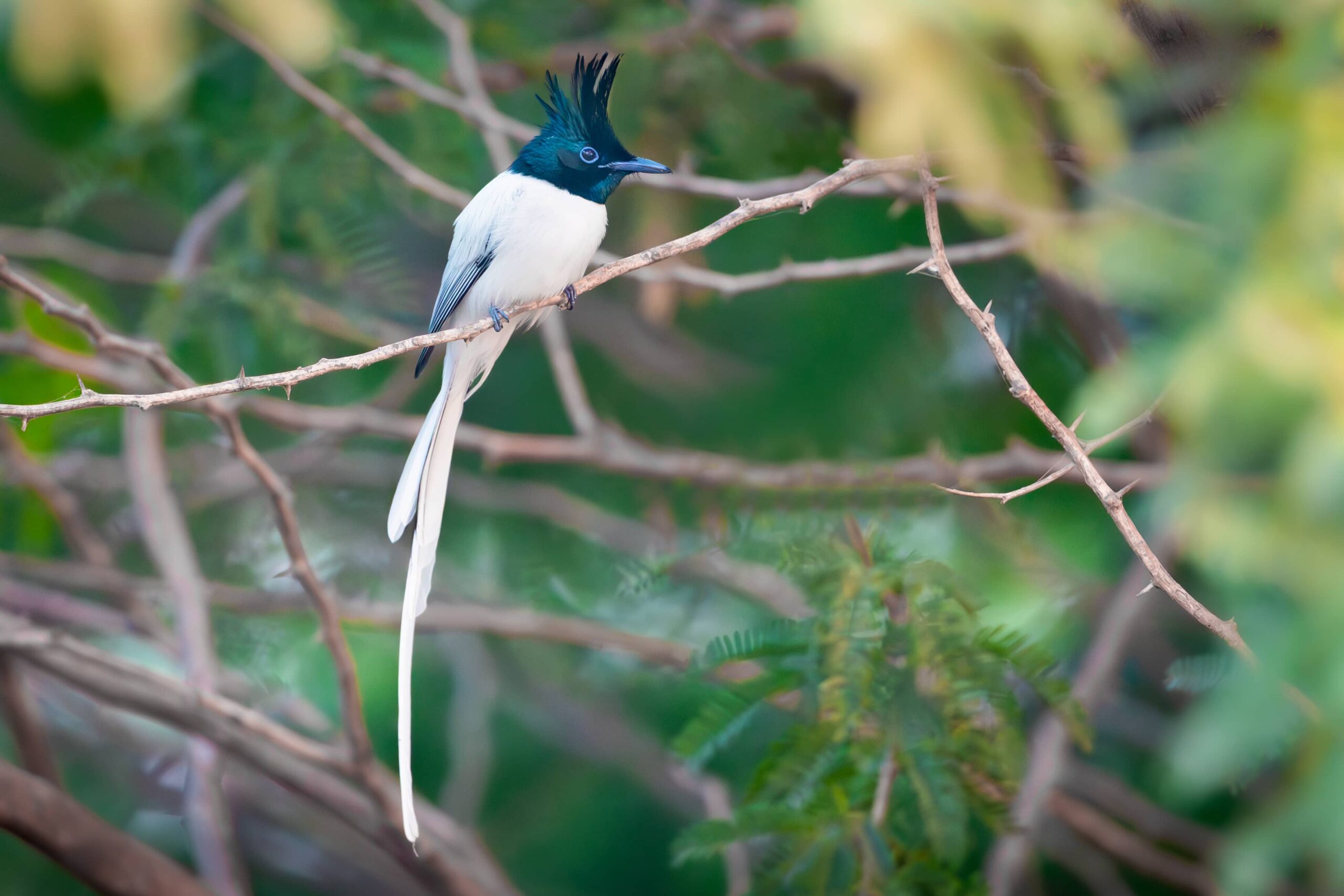
Indian Paradise Flycatcher

Terpsiphone paradisi


Habitat Dense mangrove woodland, coastal forest patches, and shaded vegetation with tall canopy cover.
Diet Flying insects caught in rapid aerial sallies from a perch within dense vegetation.
Steppe Eagle in the Indus Delta Least concern

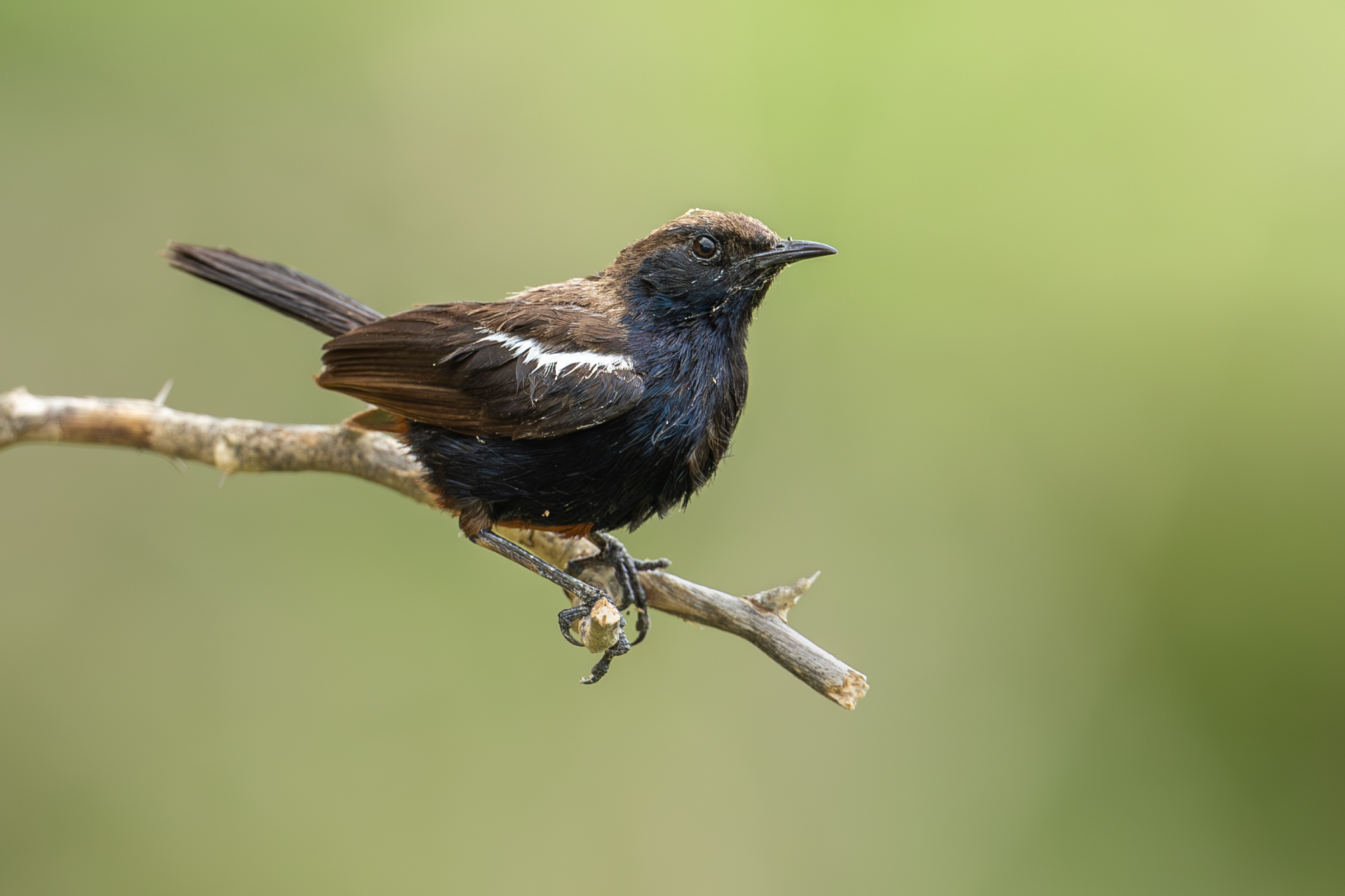
Indian Robin

Copsychus fulicatus


Habitat Dry scrubland, rocky coastal areas, mangrove edges, and open ground with scattered rocks and debris.
Diet Insects, small invertebrates, and worms caught on or near the ground by a short chase.
Steppe Eagle in the Indus Delta Least concern

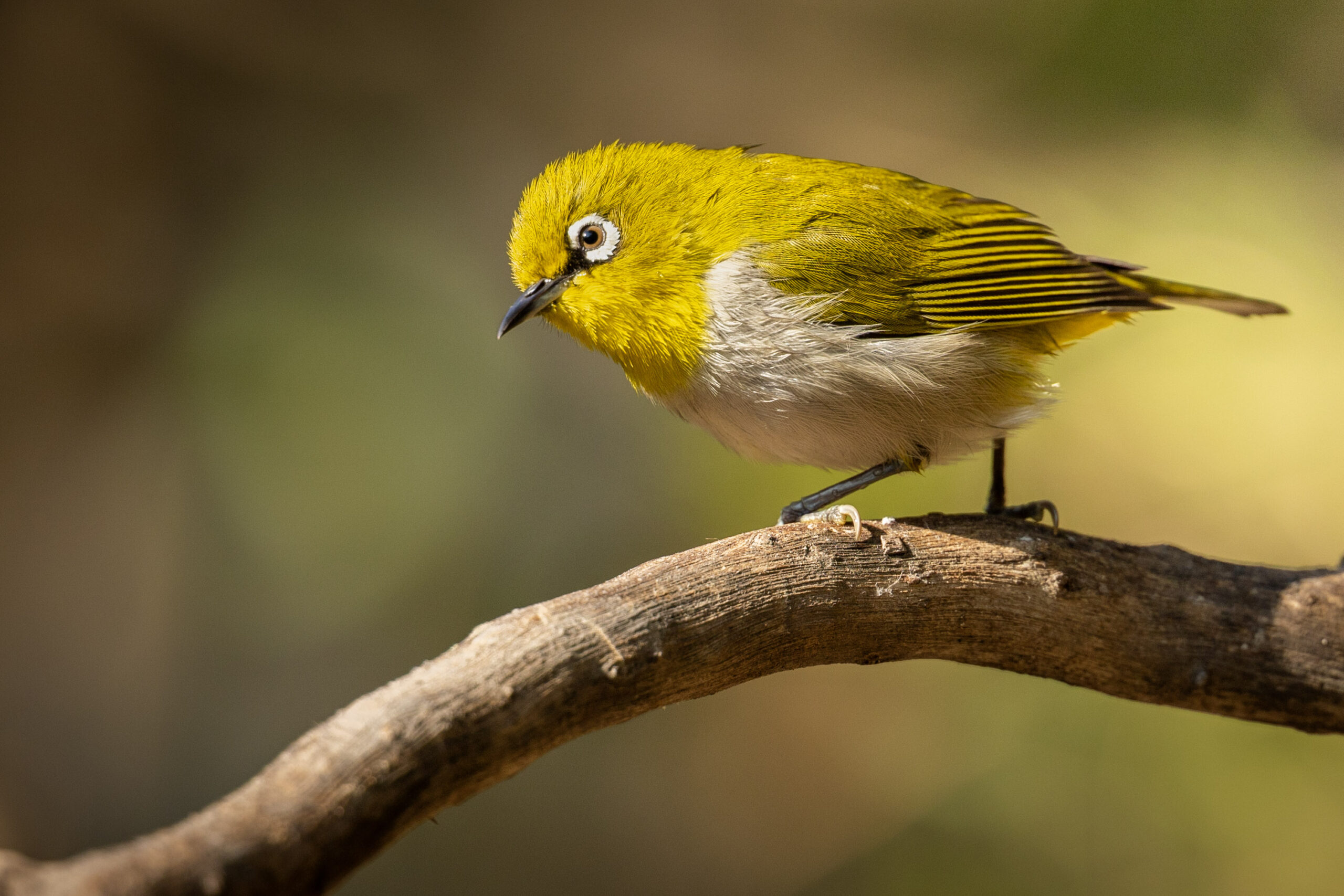
Indian White-eye

Zosterops palpebrosus


Habitat Mangrove canopy, coastal woodland, gardens, and flowering vegetation at the delta margin.
Diet Nectar, small fruits, insects, and spiders taken from foliage; an important mangrove pollinator.
Steppe Eagle in the Indus Delta Least concern

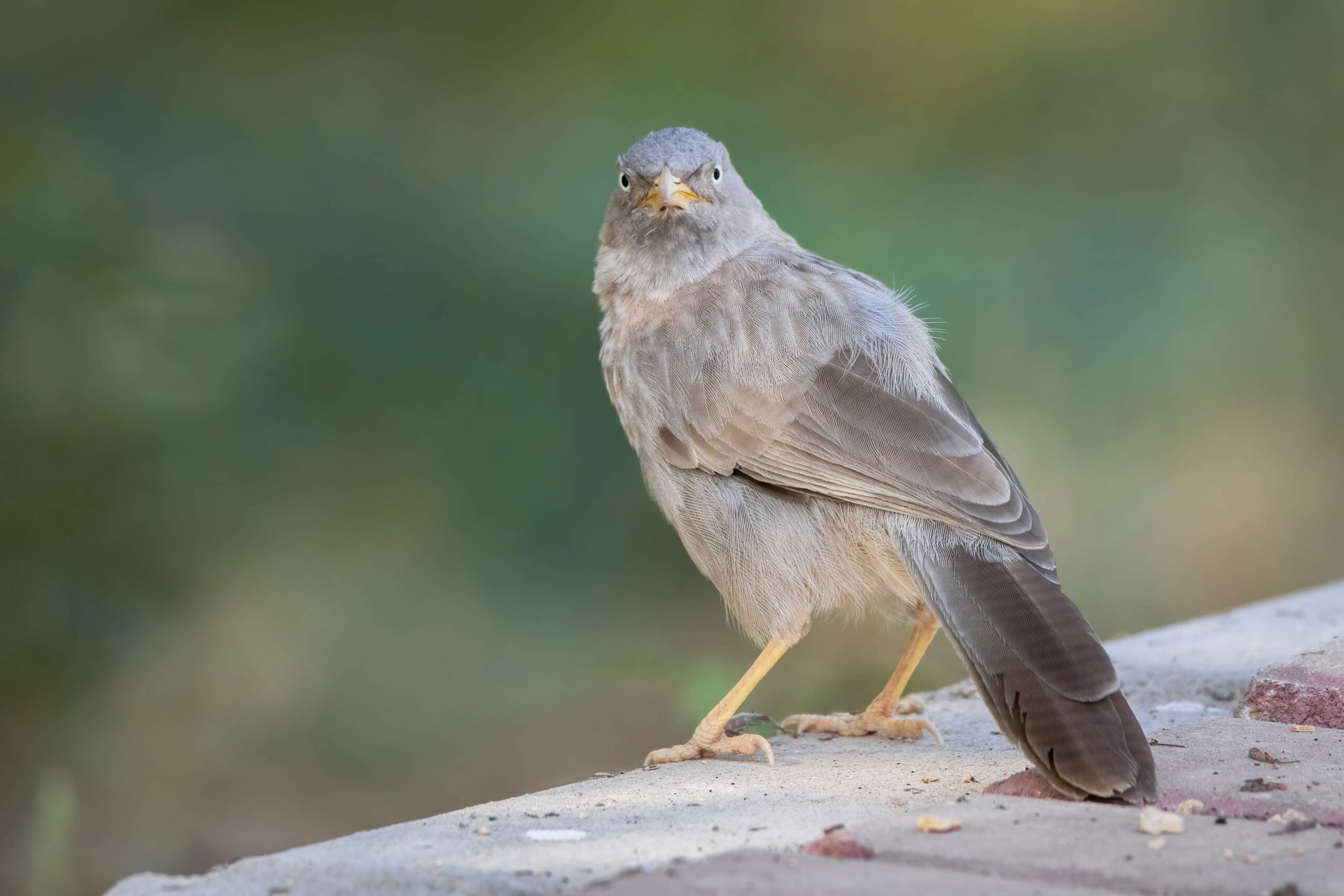
Jungle Babbler

Turdoides striata


Habitat Dense scrubland, mangrove edge thickets, gardens, and scrub woodland near human settlements.
Diet Insects, small lizards, invertebrates, seeds, and berries foraged noisily in groups through dense cover.
Steppe Eagle in the Indus Delta Least concern

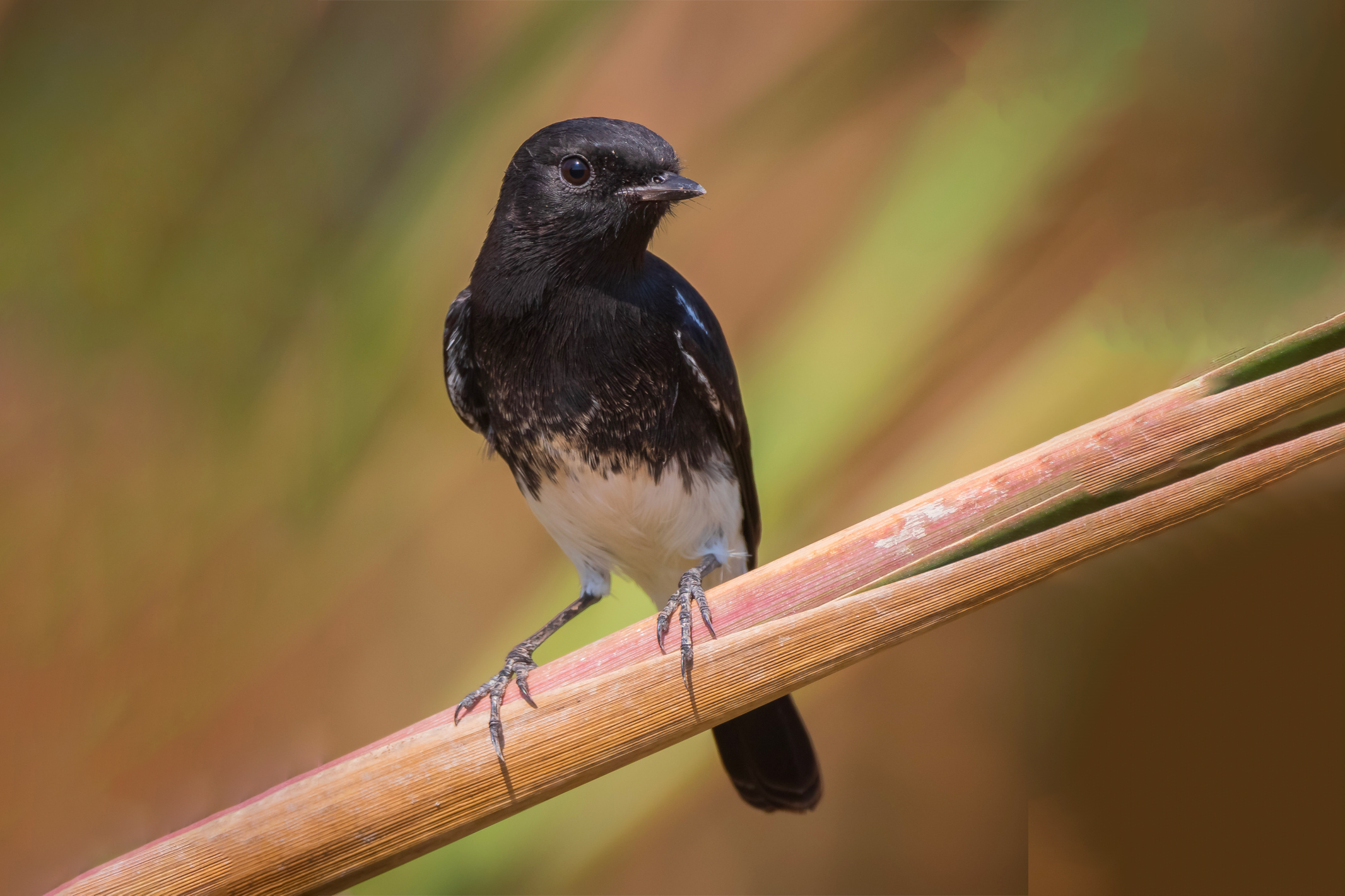
Pied Bushchat

Saxicola caprata


Habitat Open scrubland, coastal grassland, mangrove margins, and any open habitat with scattered bushes and perches.
Diet Insects, small invertebrates, and spiders caught by dropping from elevated perches onto the ground.
Steppe Eagle in the Indus Delta Least concern

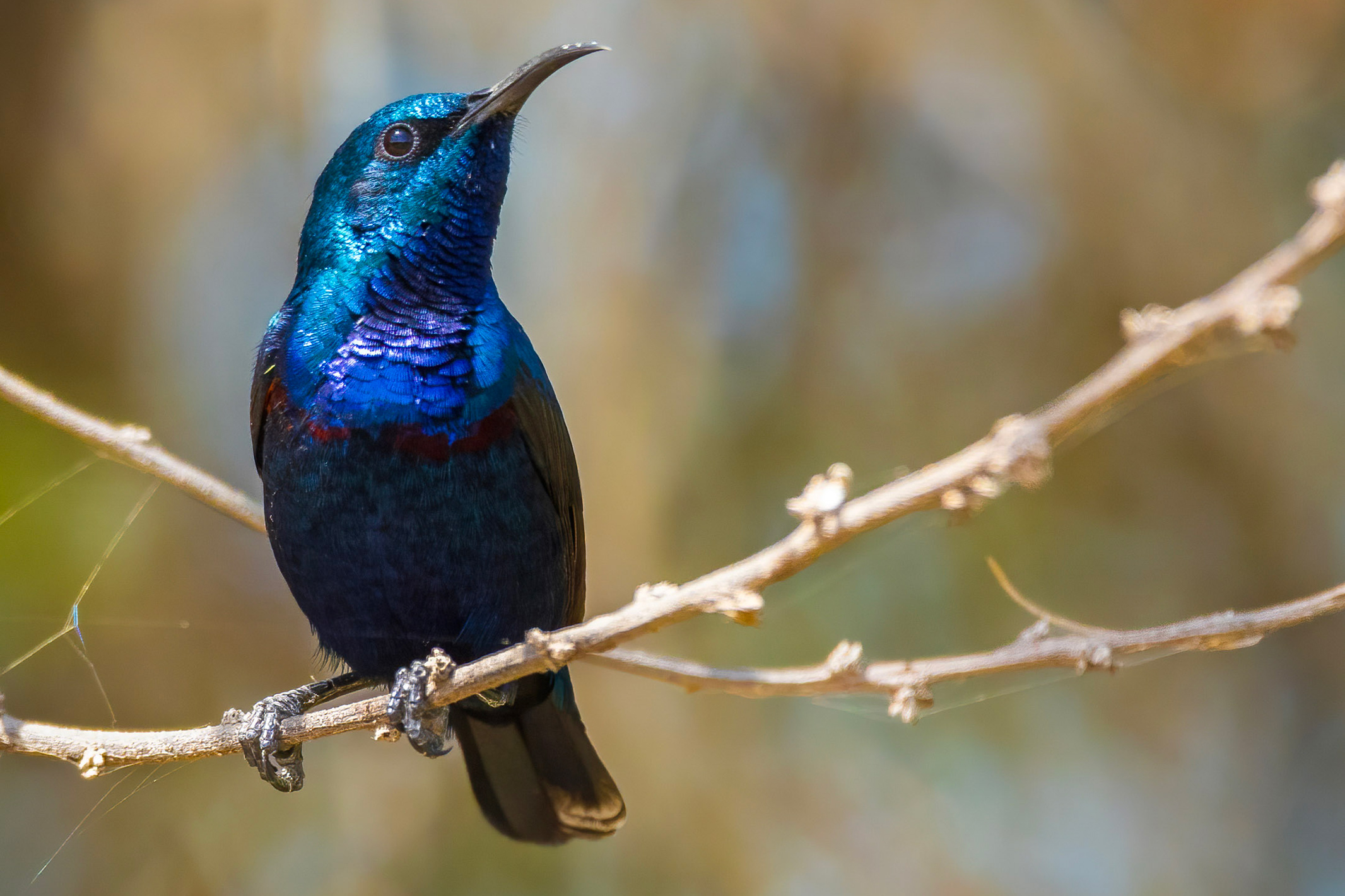
Purple Sunbird

Cinnyris asiaticus


Habitat Flowering vegetation at mangrove edges, gardens, scrubland, and open woodland.
Diet Nectar probed from flowers using a curved bill; also takes spiders and small insects.
Steppe Eagle in the Indus Delta Least concern

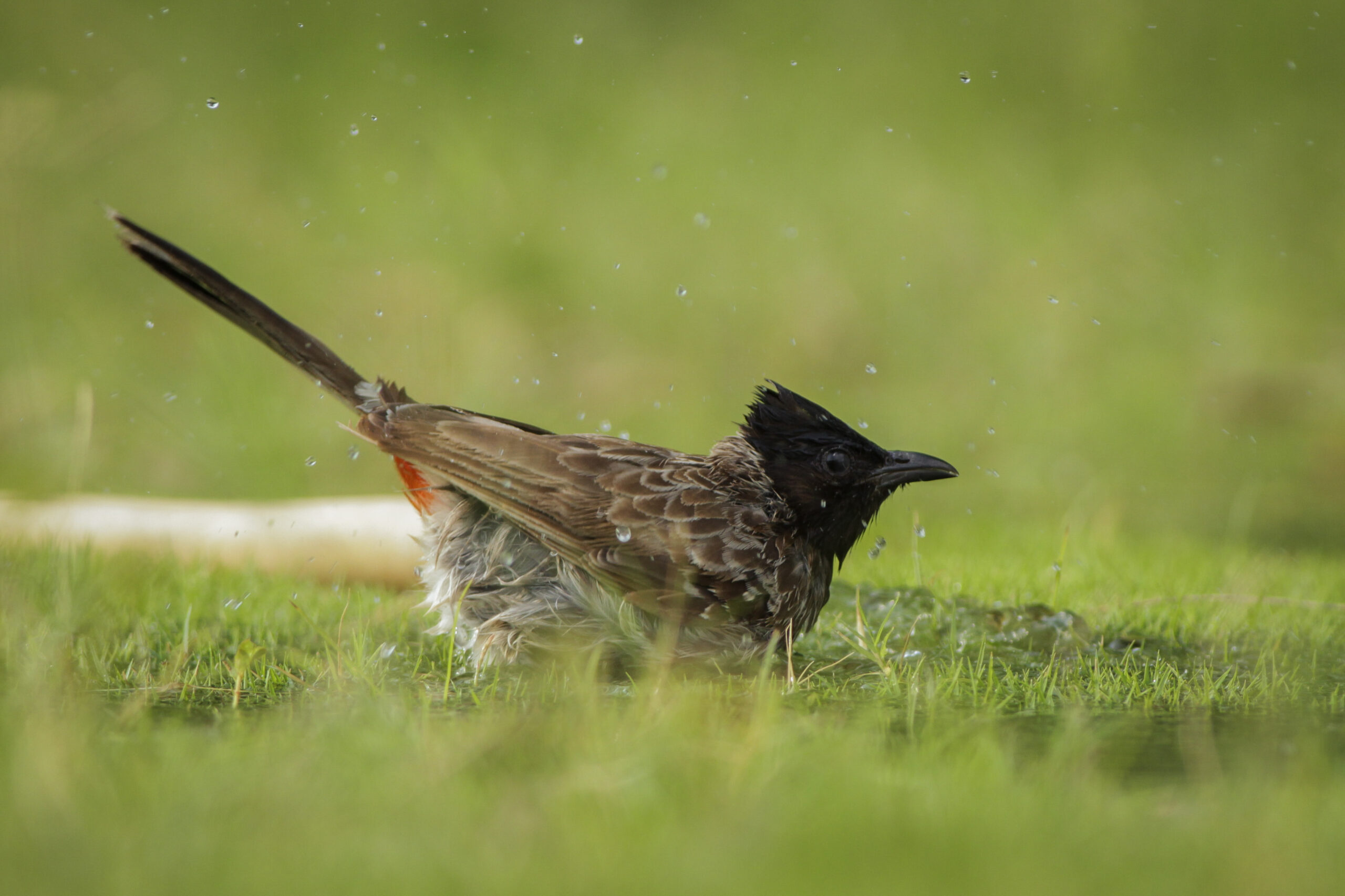
Red-vented Bulbul

Pycnonotus cafer


Habitat Mangrove edge vegetation, gardens, scrubland, plantations, and open woodland near the delta.
Diet Fruits, berries, flower buds, nectar, and insects gleaned from vegetation.
Steppe Eagle in the Indus Delta Least concern

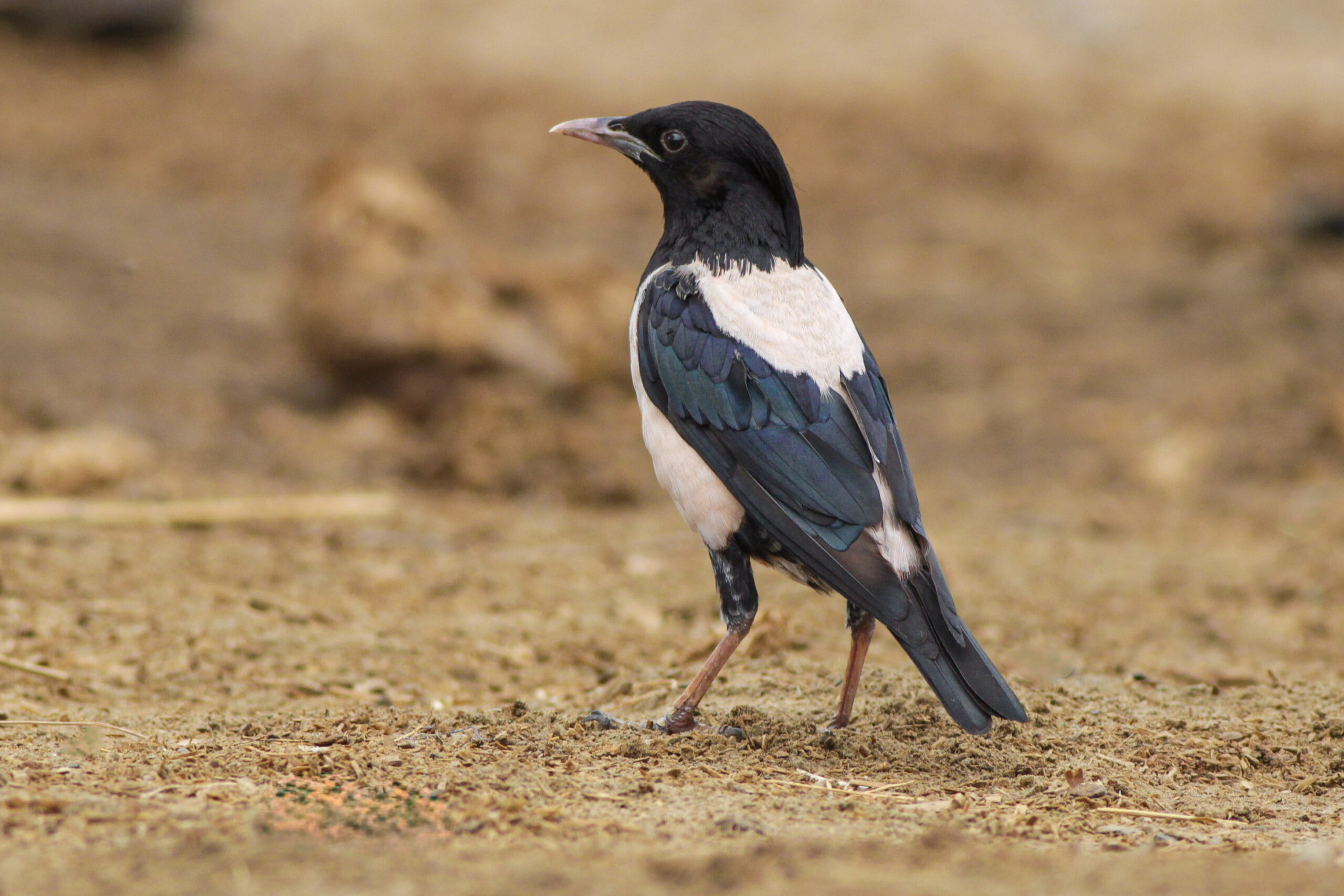
Rosy Starling

Pastor roseus


Habitat Open grasslands, agricultural land, scrubland, and mangrove edge areas with fruiting vegetation.
Diet Insects, fruits, berries, and nectar; a highly mobile opportunist that congregates where food is abundant.
Steppe Eagle in the Indus Delta Least concern

Rufous-fronted Prinia

Prinia buchanani


Habitat Dry scrubland, thorny coastal vegetation, and open grassland with sparse bushes near the mangrove edge.
Diet Insects, larvae, and small invertebrates gleaned from foliage and stems in low, dense vegetation.
Steppe Eagle in the Indus Delta Least concern

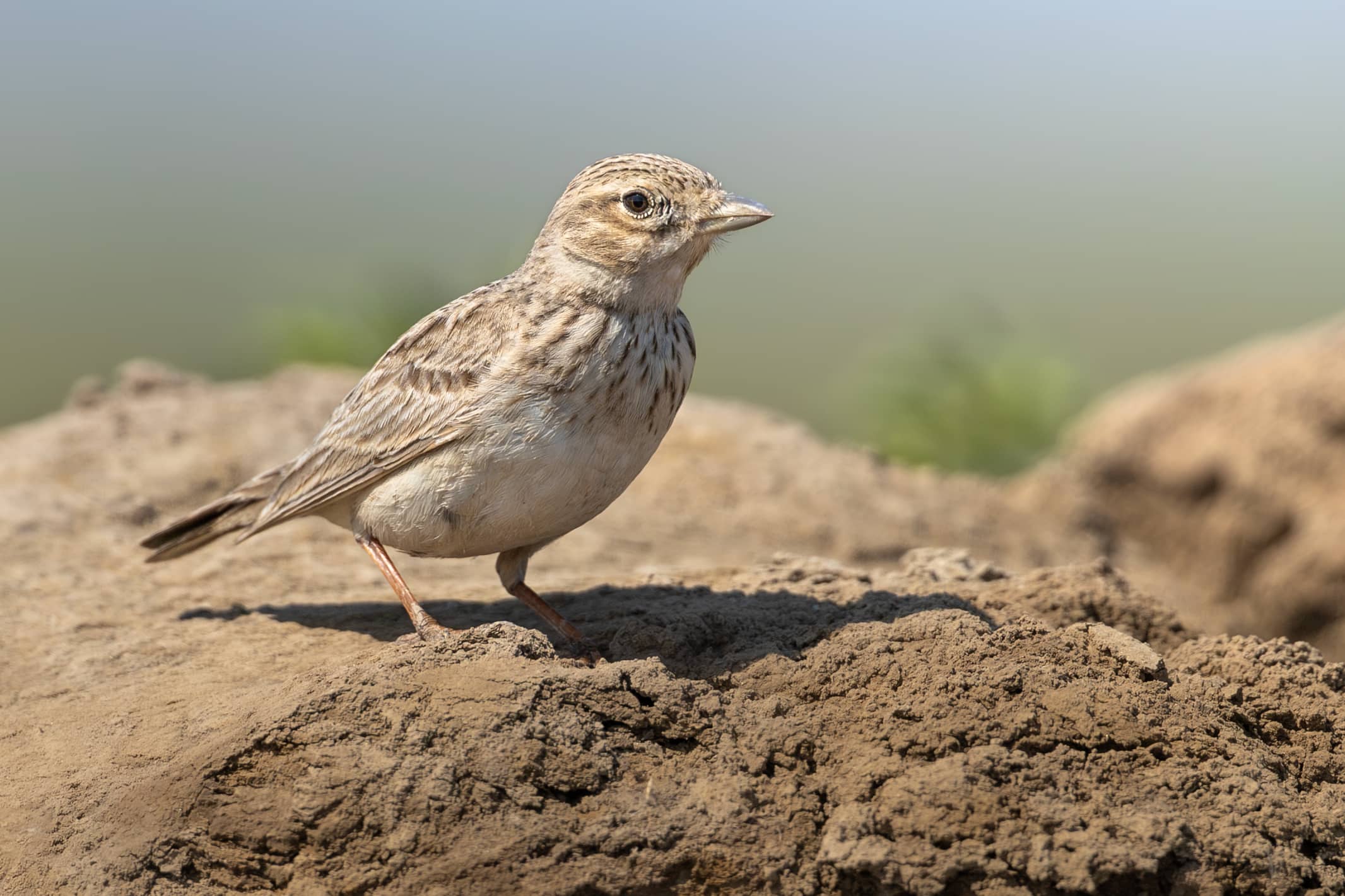
Sand Lark

Alaudala raytal


Habitat Sandy riverbanks, sandy coastal beaches, estuarine sandbars, and open ground near the water's edge.
Diet Small seeds, insects, and invertebrates picked from the surface of sandy ground.
Steppe Eagle in the Indus Delta Least concern

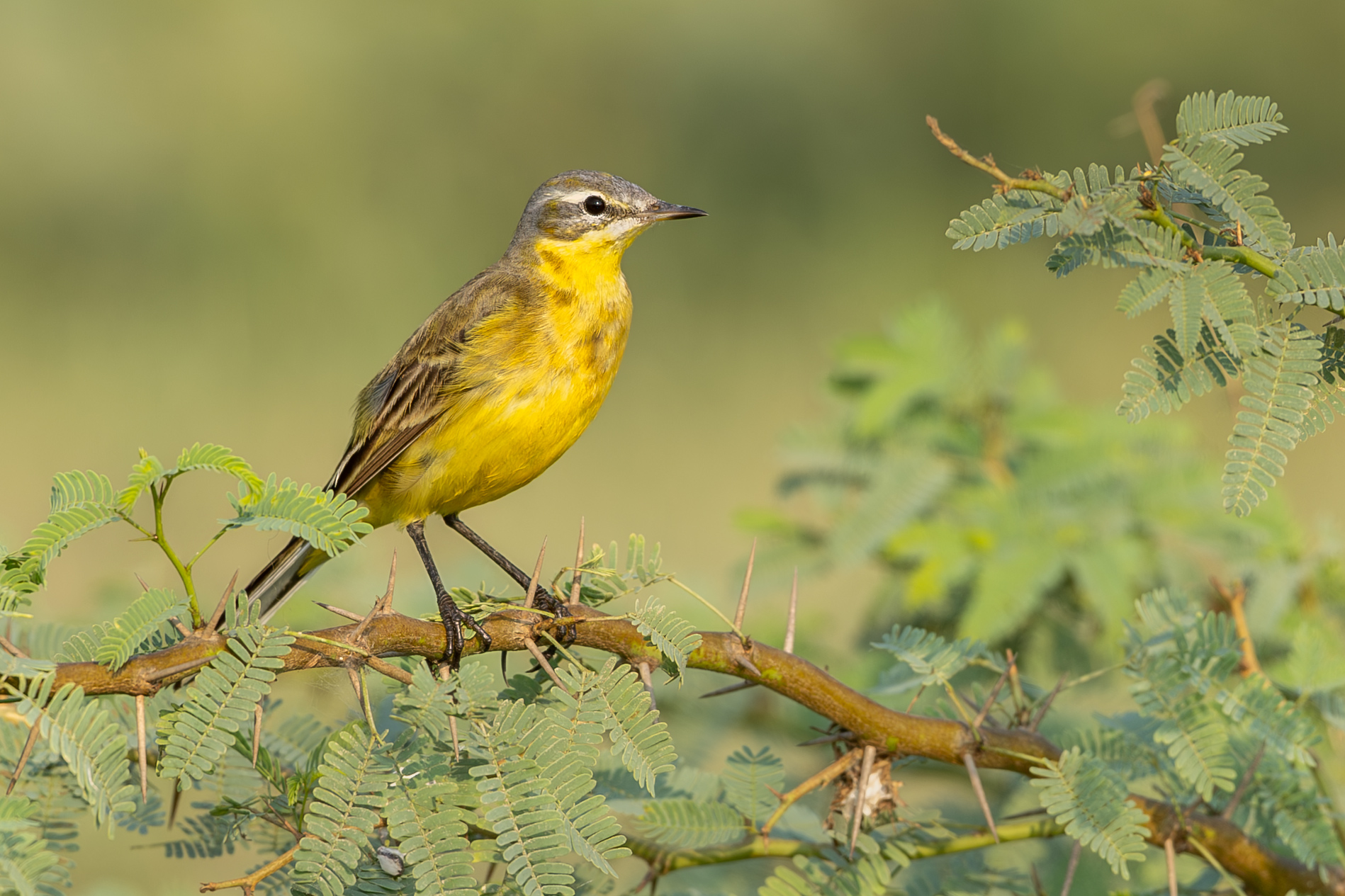
Western yellow Wagtail

Motacilla alba


Habitat Wet grasslands, coastal mudflats, agricultural margins, and open ground near mangrove edges.
Diet Flying insects, small invertebrates, and worms caught at the surface of wet mud and grass.
Steppe Eagle in the Indus Delta Least concern

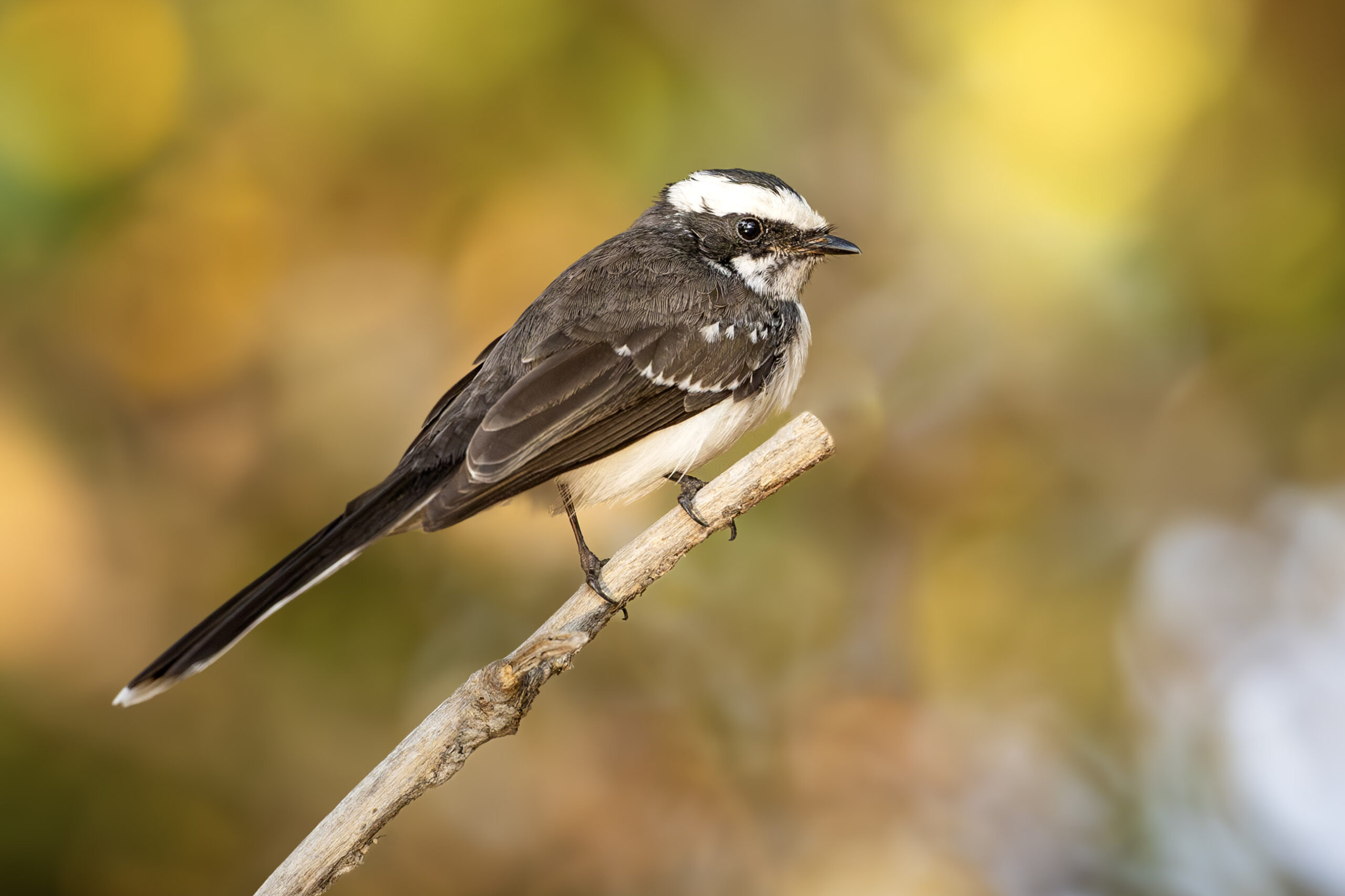
White-browed Fantail

Rhipidura aureola


Habitat Dense mangrove understorey, scrub woodland, and thickets near coastal wetlands.
Diet Flying insects caught in active aerial sallies, typically within 2 metres of the ground.
Steppe Eagle in the Indus Delta Least concern

White-eared Bulbul

Pycnonotus leucotis


Habitat Mangrove edge scrub, dense coastal vegetation, gardens, and plantations near the delta.
Diet Fruits, berries, flower nectar, and insects gleaned from foliage and flowering shrubs.
.
Steppe Eagle in the Indus Delta Least concern

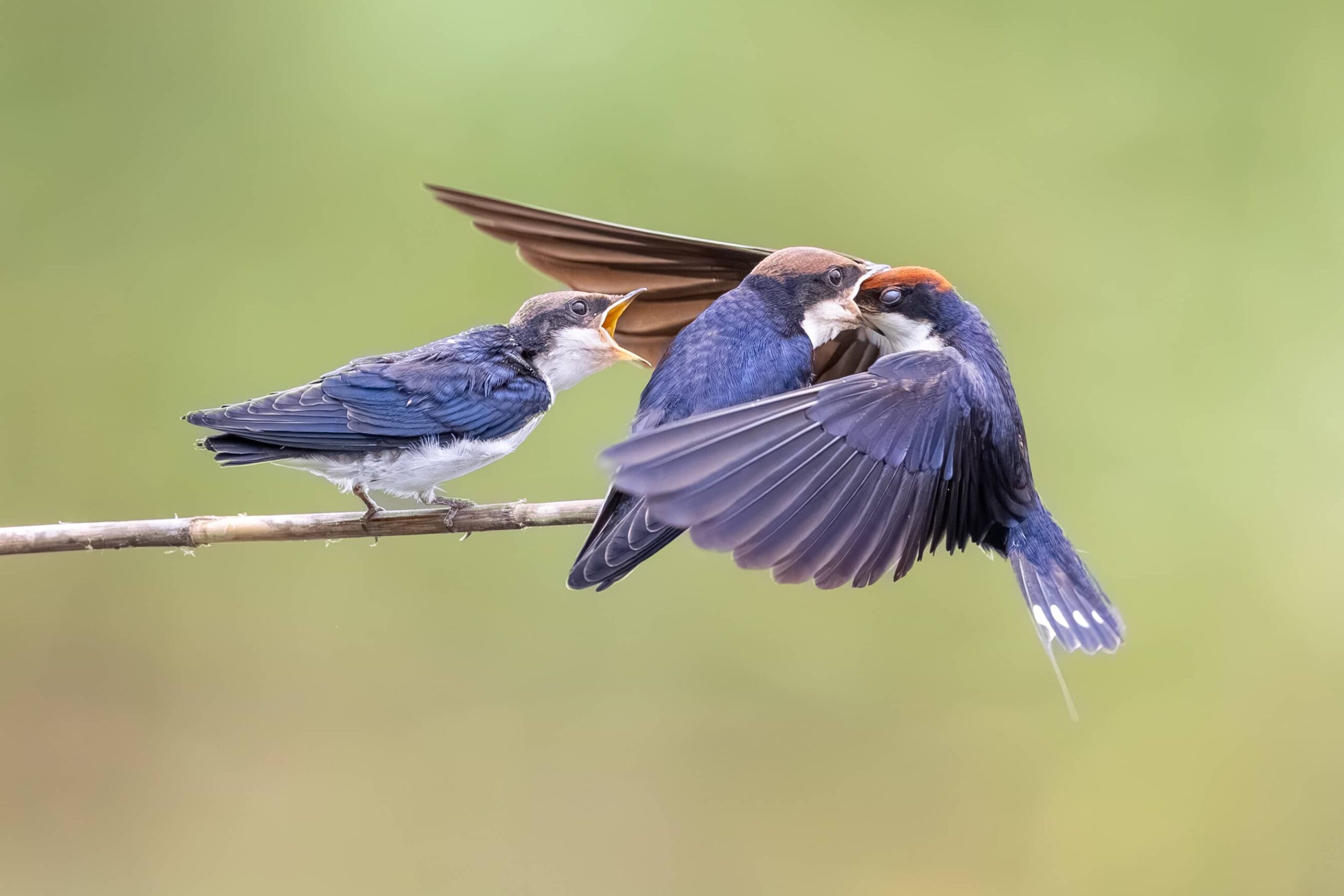
Wire-tailed Swallow

Hirundo smithii


Habitat Open areas near water, mangrove creek margins, estuaries, and coastal settlements with access to open airspace.
Diet Flying insects caught entirely in the air during sustained, acrobatic aerial foraging.
Steppe Eagle in the Indus Delta Least concern

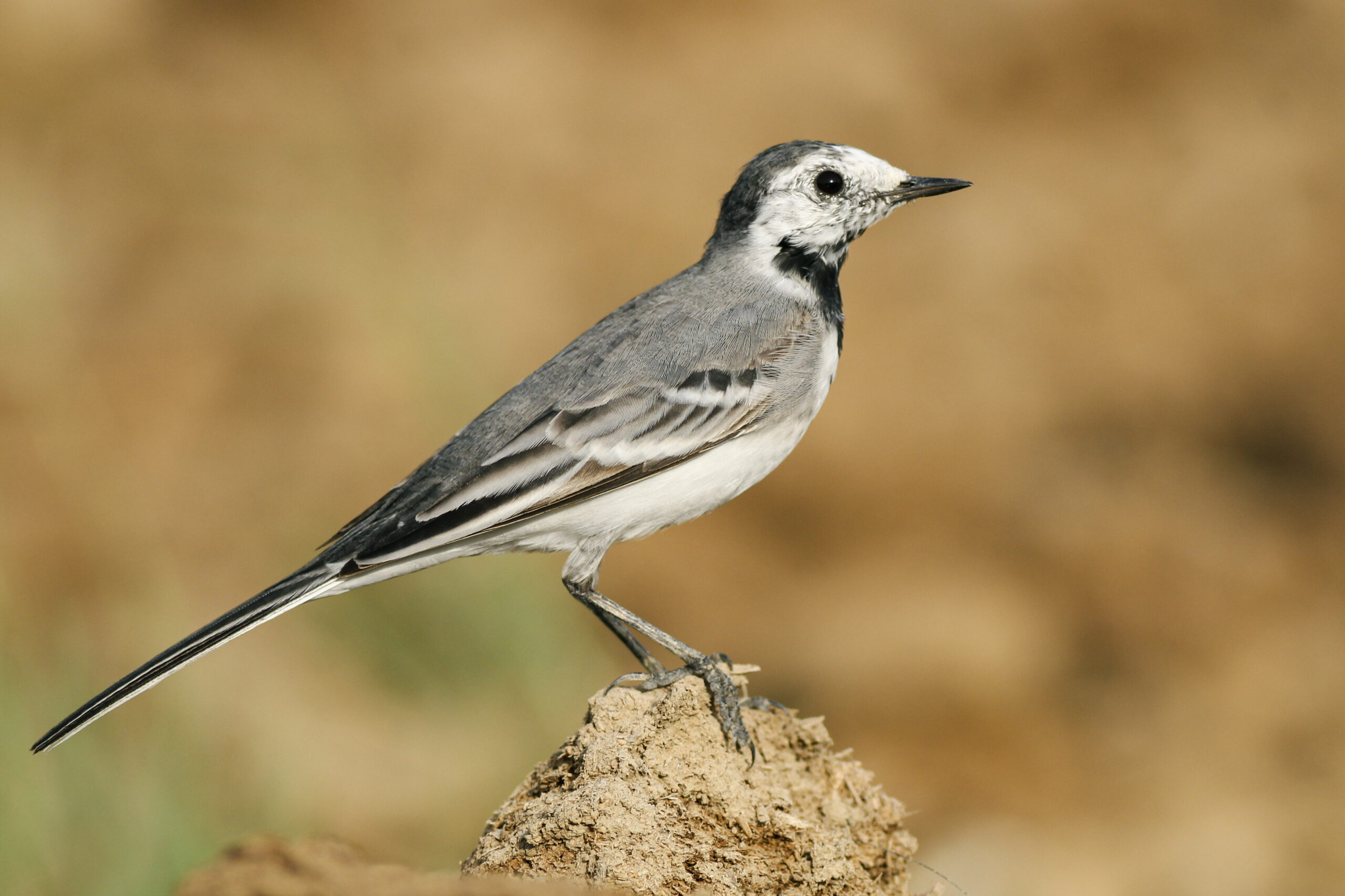
White Wagtail

Motacilla alba


Habitat Coastal mudflats, mangrove creek margins, wet grasslands, and open ground near water.
Diet Insects, small invertebrates, and worms picked from the ground surface.