SHOREBIRDS

Shorebirds and waders form the most numerically dominant group in the DBC-1 project area, particularly during the winter months. The indus delta’s vast intertidal mudflats provide critical refuelling habitat for thousands of migratory birds travelling the Central Asian Flyway, some completing journeys of over 10,000 kilometres. 

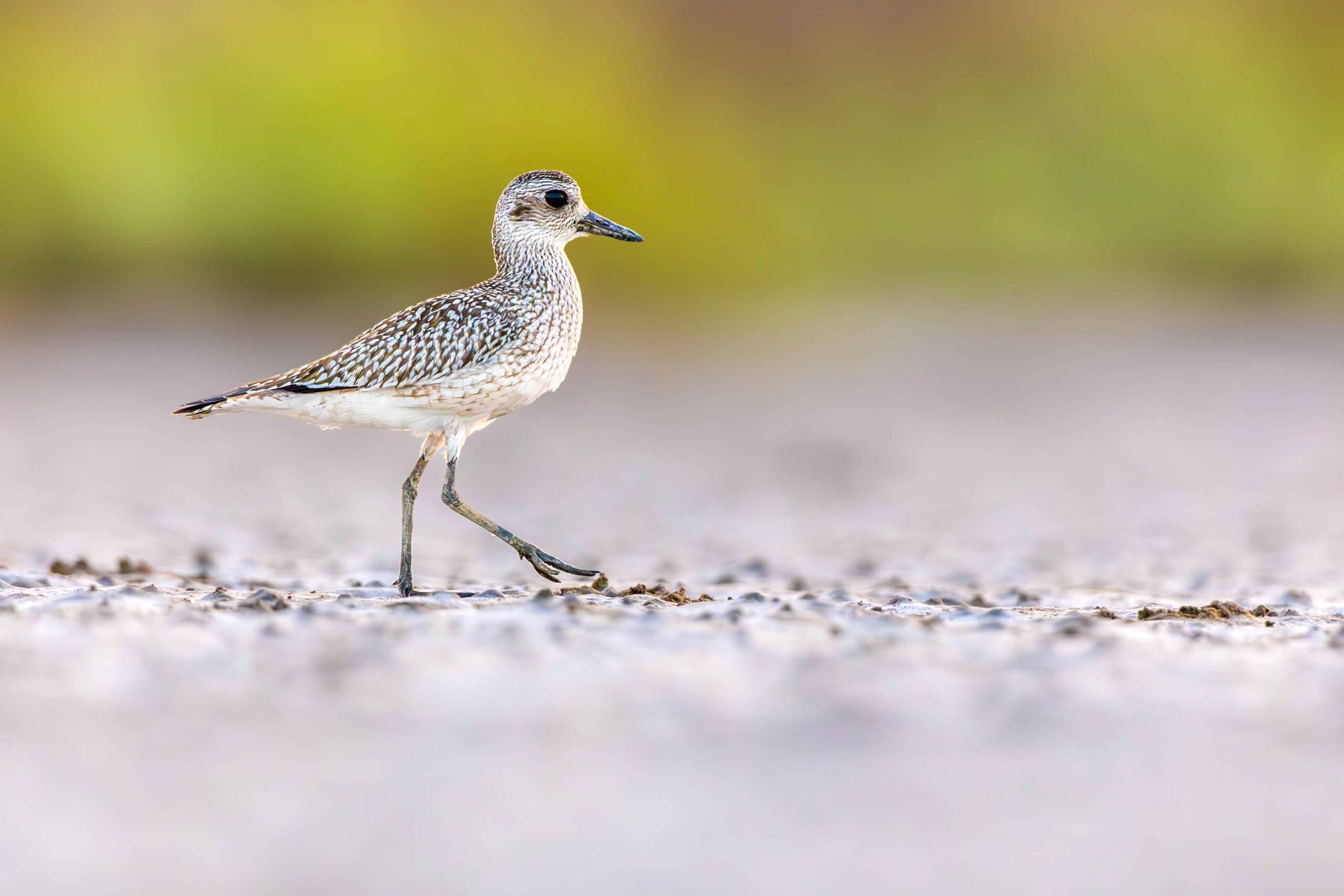
Steppe Eagle in the Indus Delta Vulnerable

Black-bellied Plover

Pluvialis squatarola


Habitat Sandy beaches, intertidal mudflats, coastal estuaries, and exposed tidal flats.
Diet Marine worms, crustaceans, mollusks, and small invertebrates picked from the mud surface.
Steppe Eagle in the Indus Delta Vulnerable

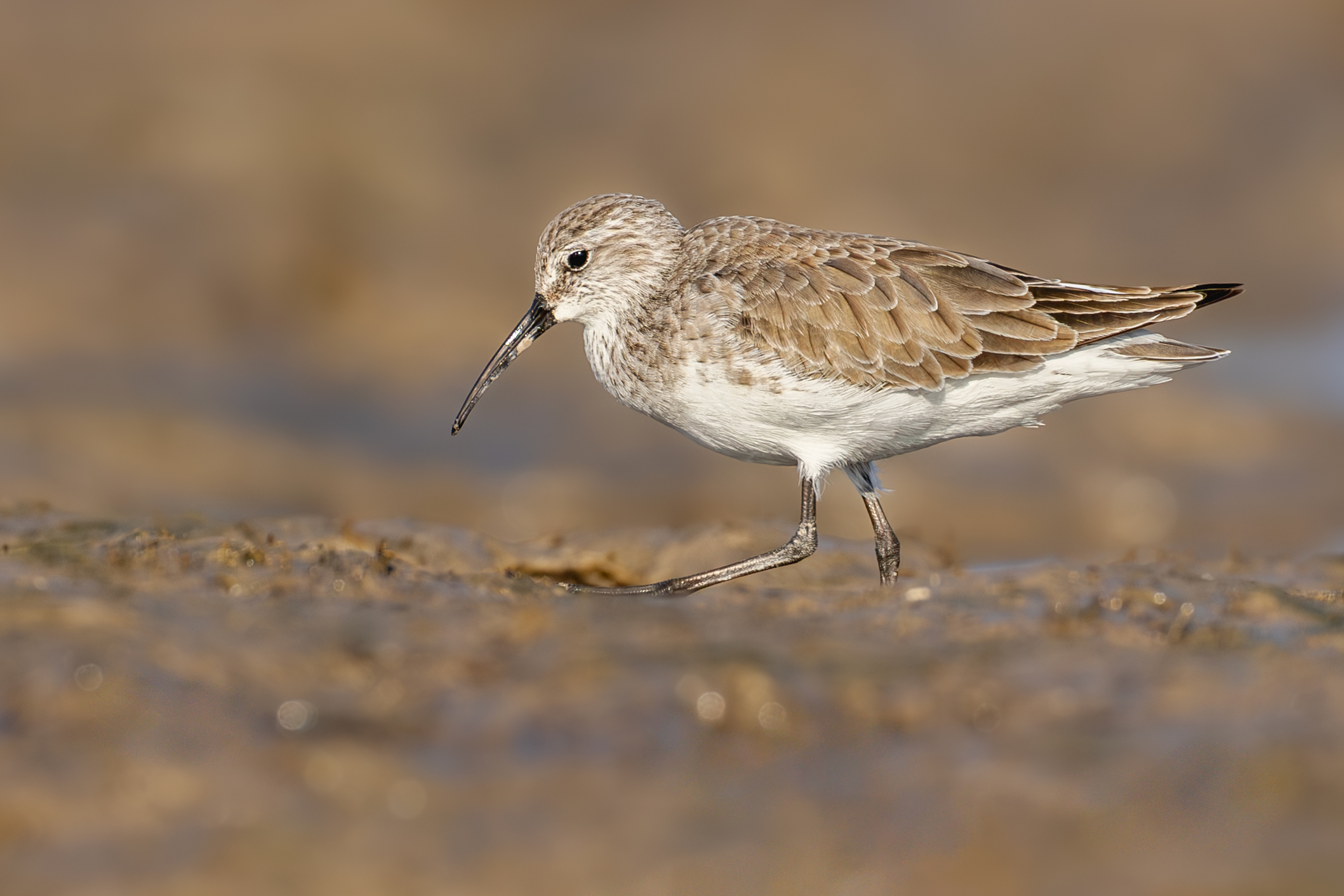
Curlew Sandpiper

Calidris ferruginea


Habitat Intertidal mudflats, estuarine wetlands, shallow coastal lagoons, and mangrove creek margins.
Diet Invertebrates, worms, small mollusks, and crustaceans probed from soft mud with a decurved bill tip.
Steppe Eagle in the Indus Delta Near-threatened

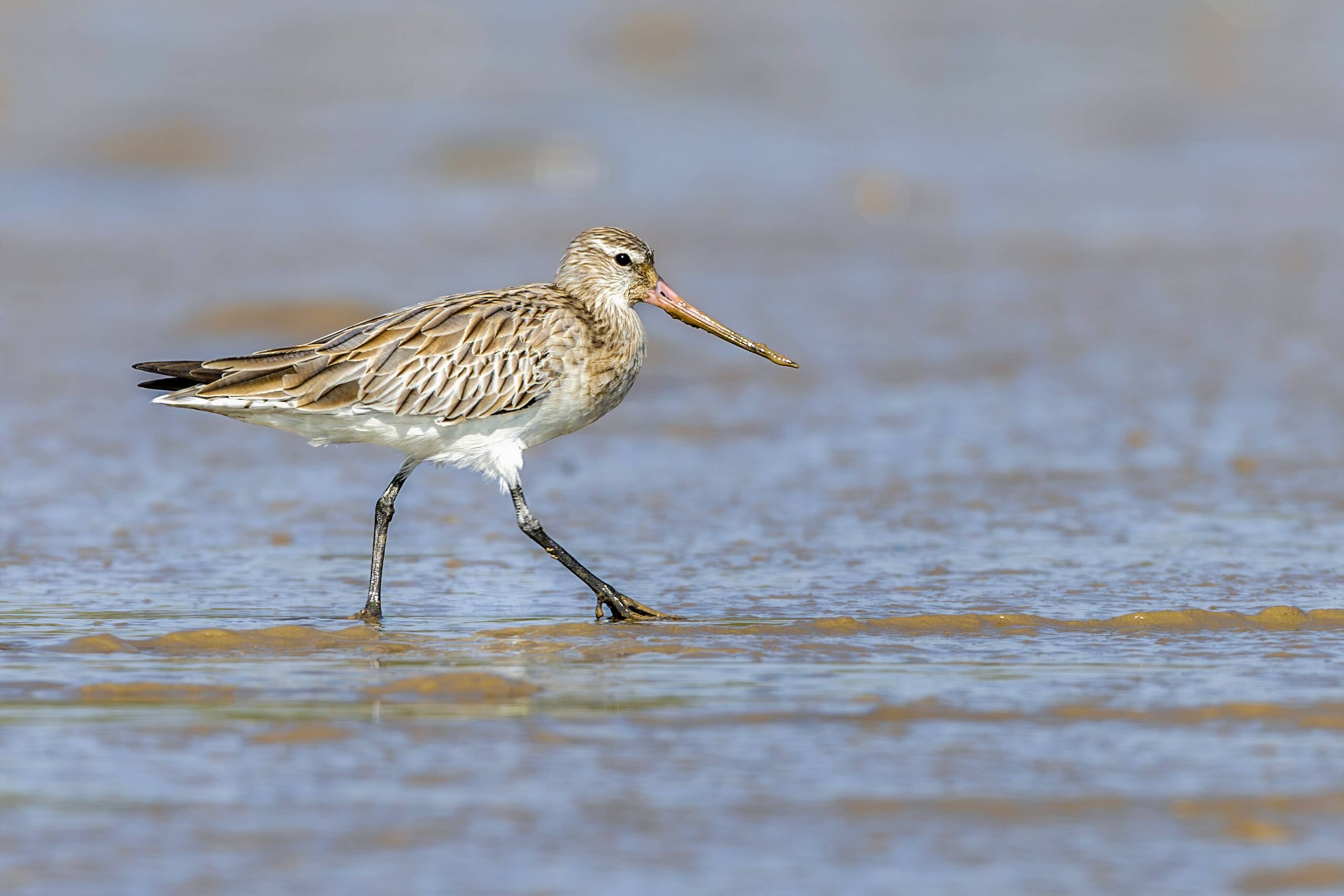
Bar-tailed Godwit

Limosa lapponica


Habitat Intertidal mudflats, sandy estuarine shores, coastal lagoons, and tidal creek margins.
Diet Marine worms, crustaceans, and invertebrates probed deep into intertidal sediment using a long, slightly upturned bill.
Steppe Eagle in the Indus Delta Near-threatened

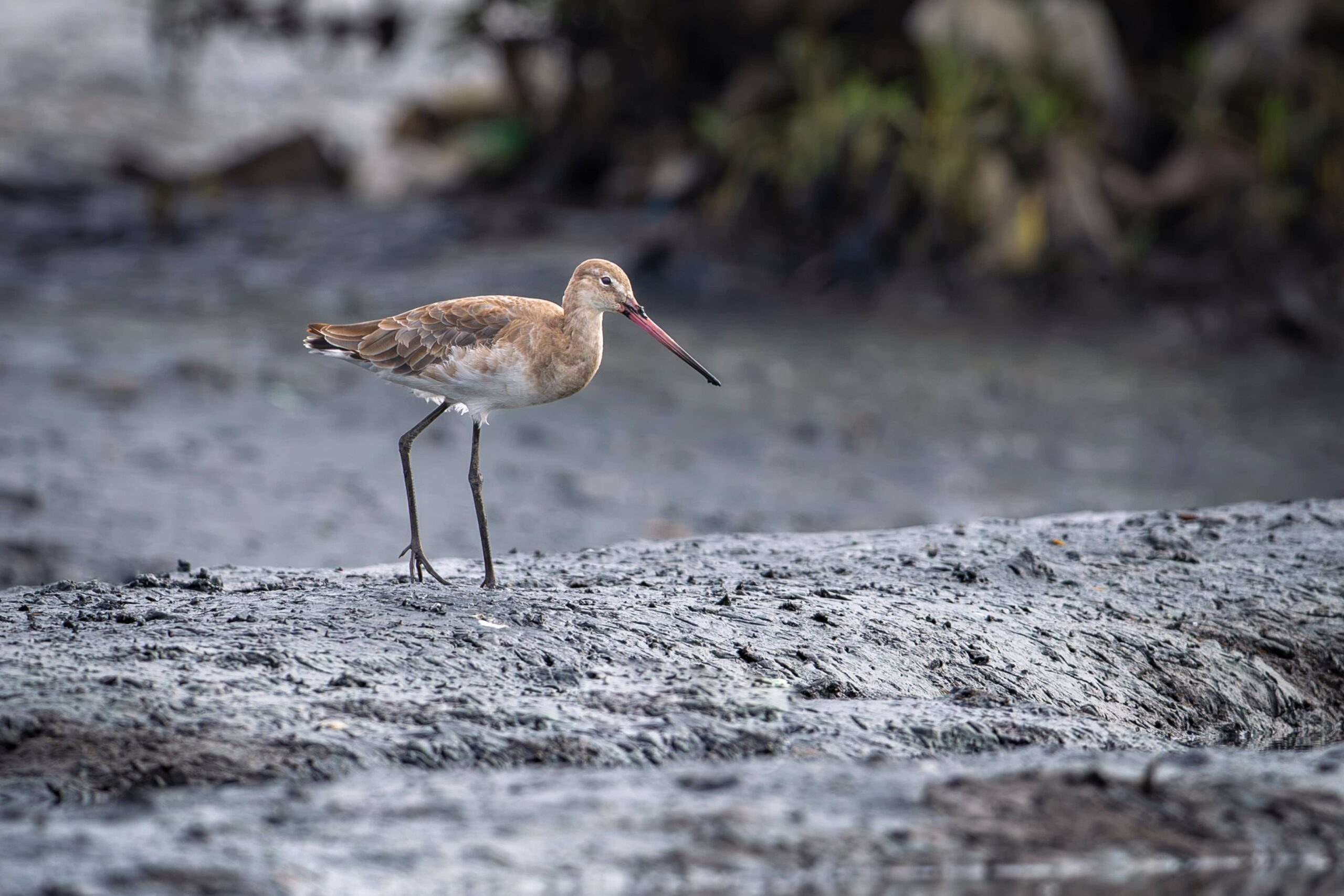
Black-tailed Godwit

Limosa limosa


Habitat Estuarine mudflats, intertidal wetlands, flooded grasslands, and mangrove-fringed creek margins.
Diet Worms, aquatic invertebrates, mollusks, and crustaceans probed with a long, straight bill.
Steppe Eagle in the Indus Delta Near-threatened

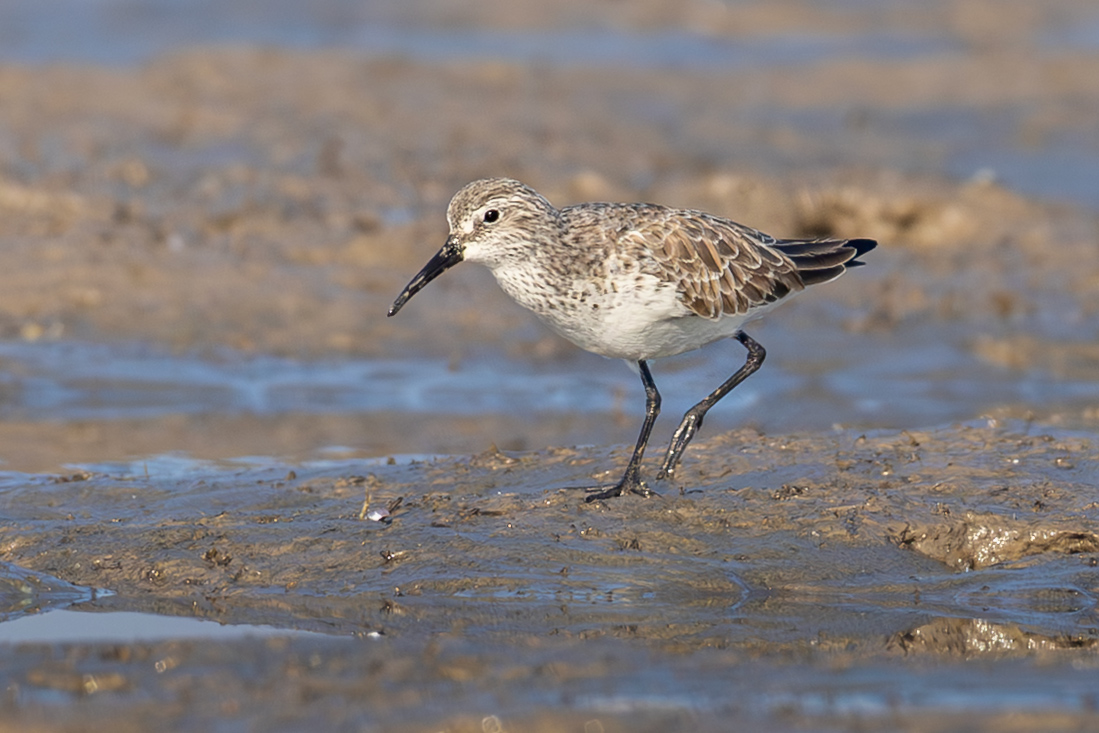
Dunlin

Calidris alpina


Habitat Intertidal mudflats, coastal wetlands, estuarine areas, and tidal creek margins.
Diet Invertebrates, worms, small mollusks, and crustaceans extracted from soft mud by rapid, sewing-machine probing.
Steppe Eagle in the Indus Delta Near-threatened

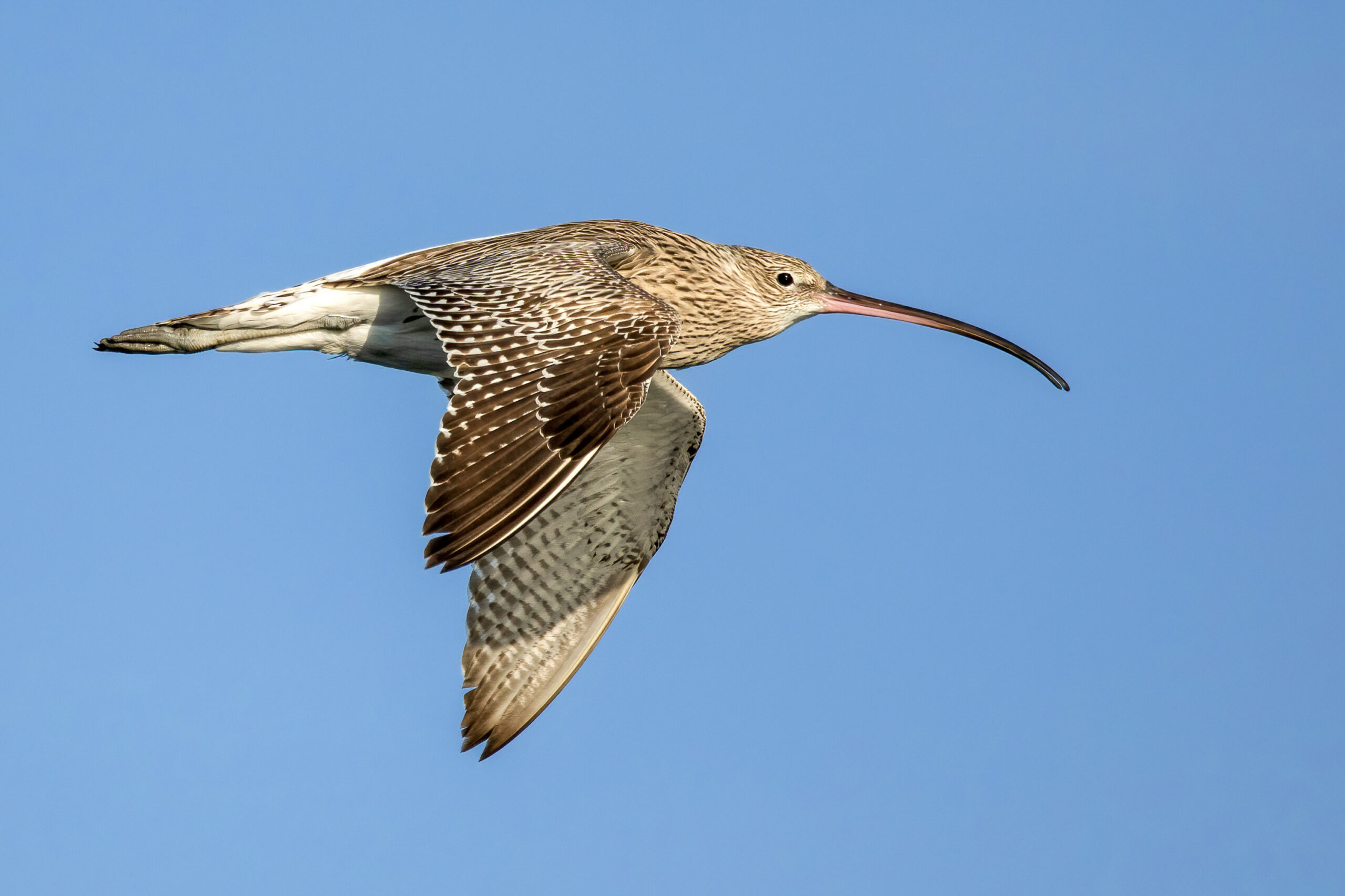
Eurasian Curlew

Numenius arquata


Habitat Intertidal mudflats, coastal marshes, estuarine channels, and mangrove-fringed shorelines.
Diet Worms, crabs, shrimps, and marine invertebrates probed deep into soft mud using a long, decurved bill.
Steppe Eagle in the Indus Delta Near-threatened

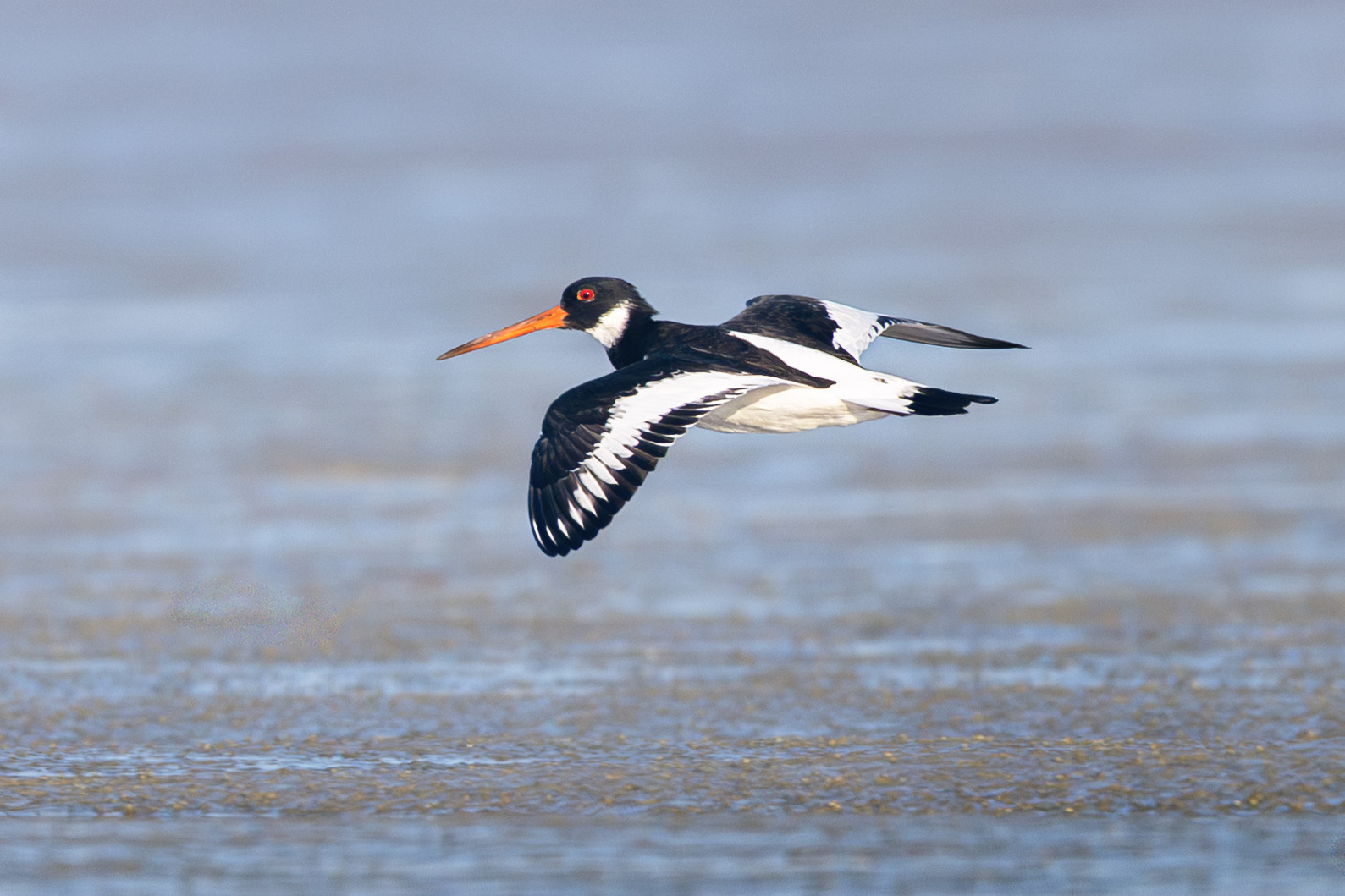
Eurasian Oystercatcher

Haematopus ostralegus


Habitat Rocky and sandy coastlines, intertidal flats, and exposed mudflats with abundant bivalve beds.
Diet Mussels, cockles, oysters, limpets, and other bivalves prised open using a strong, laterally flattened bill.
Steppe Eagle in the Indus Delta Near-threatened

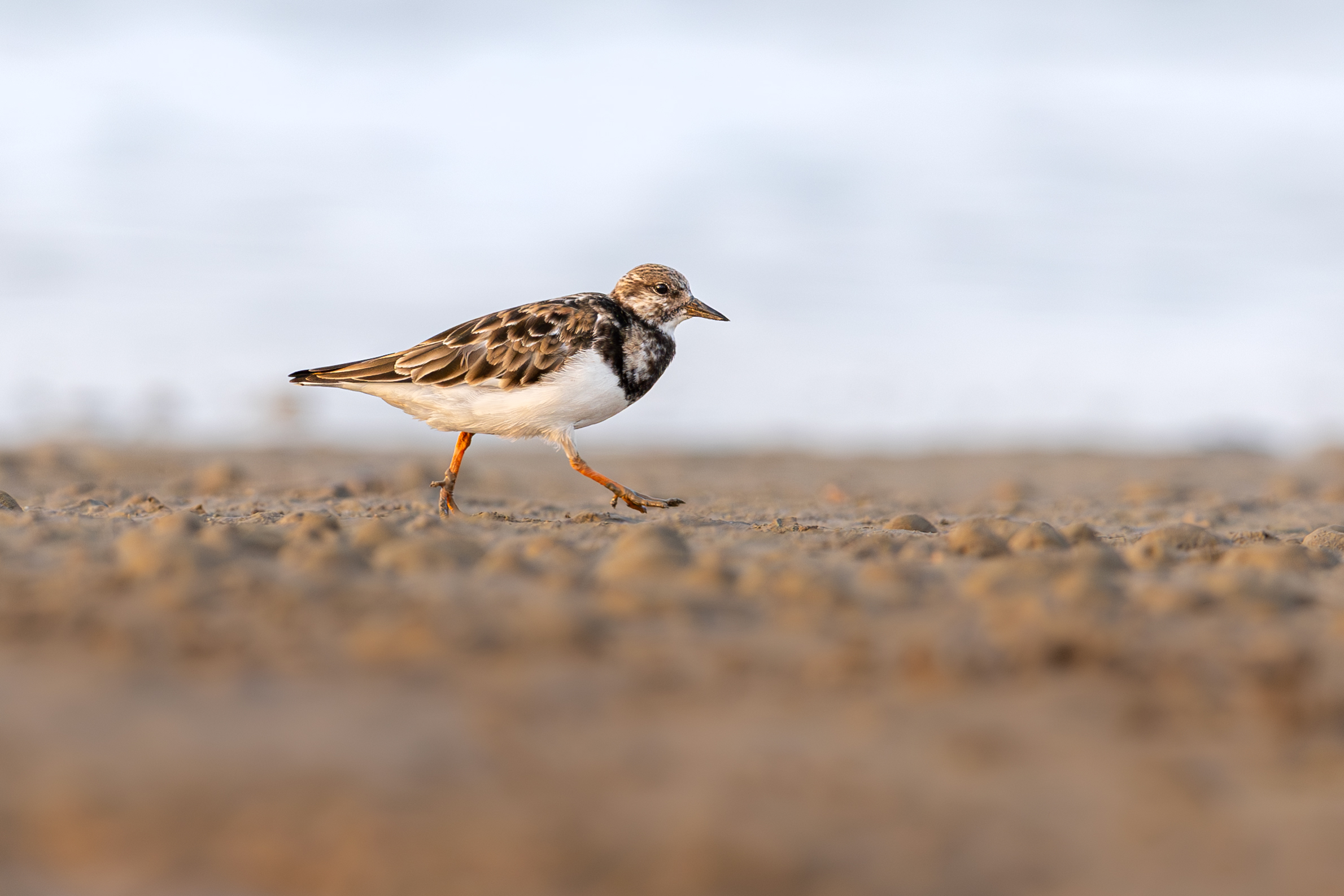
Ruddy Turnstone

Arenaria interpres


Habitat Rocky coastlines, sandy beaches, intertidal flats, and mangrove-edged mudflats.
Diet Crustaceans, mollusks, marine invertebrates, and carrion uncovered by flipping stones and debris.
Steppe Eagle in the Indus Delta Least concern

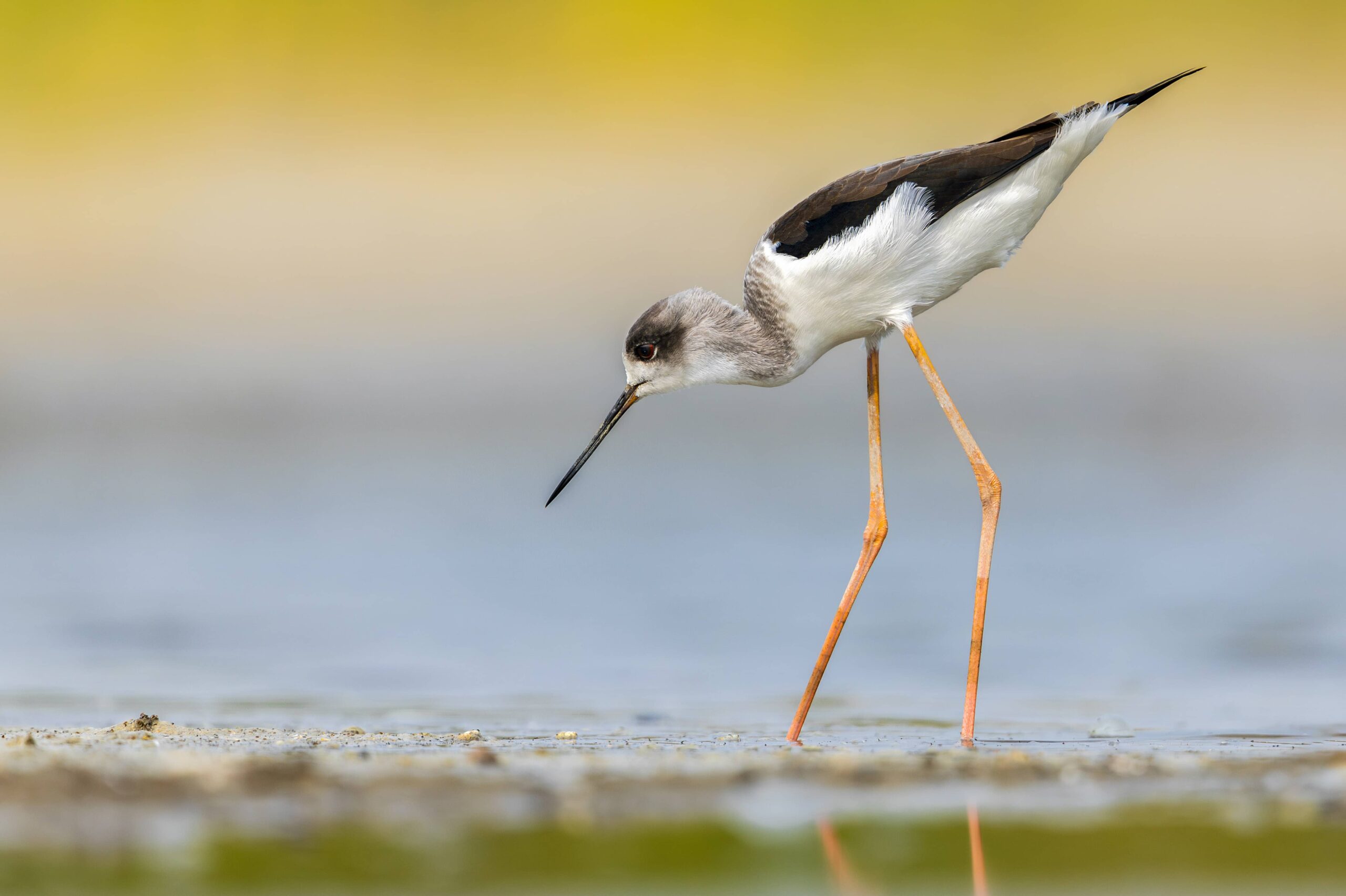
Black-winged Stilt

Himantopus himantopus


Habitat Shallow wetlands, salt pans, intertidal mudflats, and flooded coastal plains.
Diet Aquatic insects, small crustaceans, worms, and invertebrates picked from the water surface or shallow mud.
Steppe Eagle in the Indus Delta Least concern

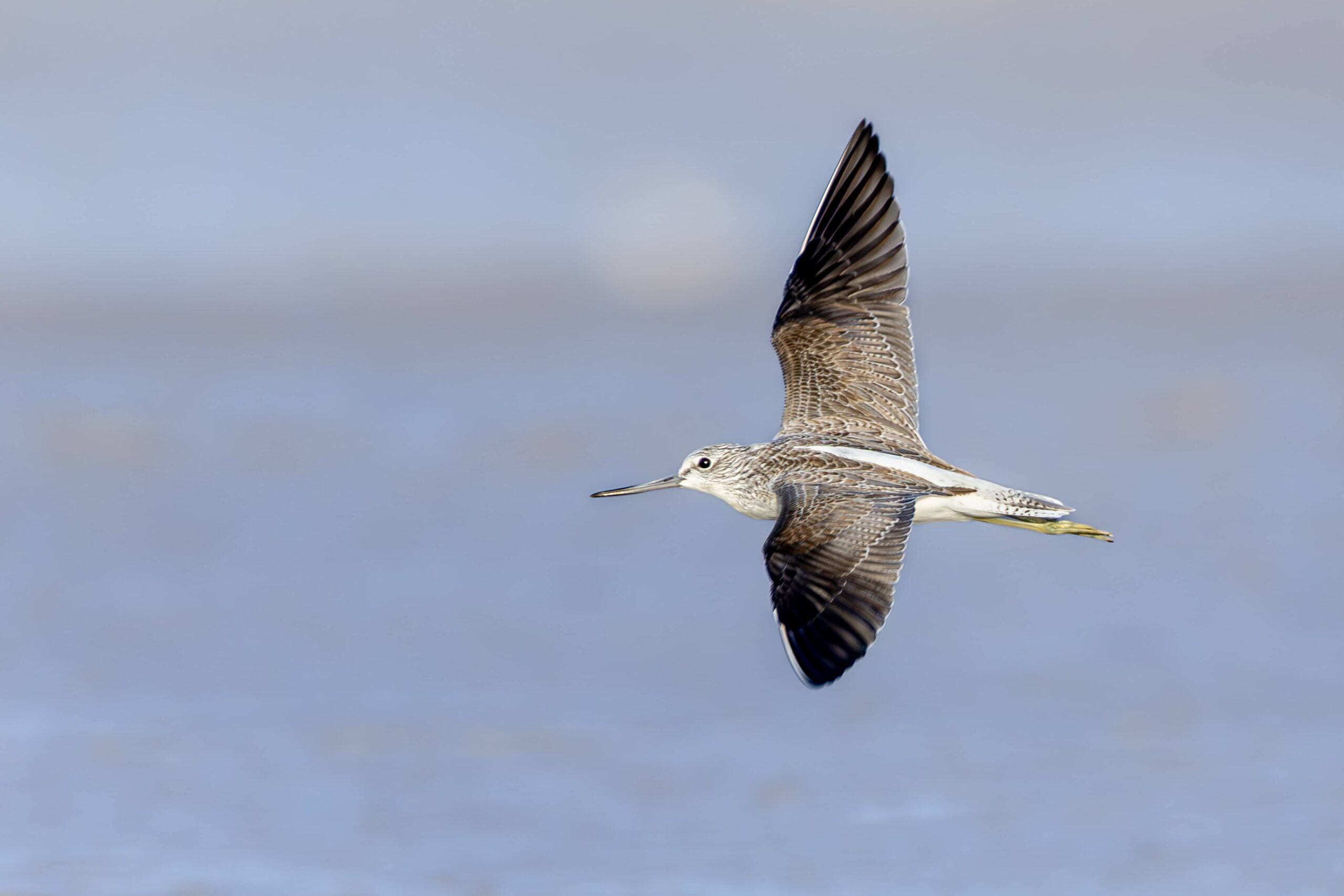
Common Greenshank

Tringa nebularia


Habitat Estuarine mudflats, mangrove creek margins, tidal pools, and shallow coastal lagoons.
Diet Small fish, aquatic invertebrates, frogs, and crustaceans chased actively through shallow water.
Steppe Eagle in the Indus Delta Least concern

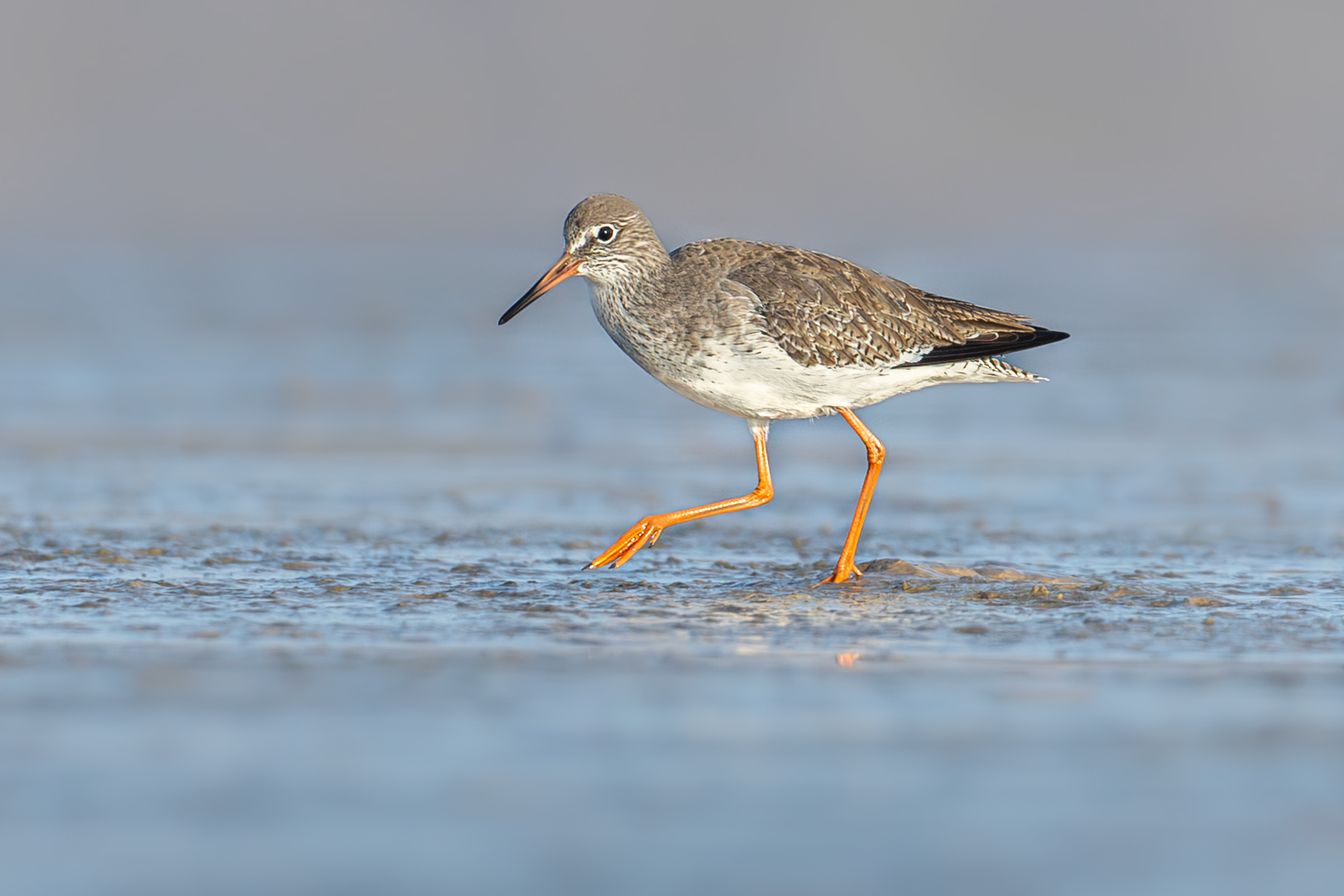
Common Redshank

Tringa totanus


Habitat Intertidal mudflats, mangrove-fringed estuaries, saltmarshes, and shallow coastal wetlands.
Diet Worms, crustaceans, small fish, and aquatic invertebrates probed from mud or caught at the water surface.
Steppe Eagle in the Indus Delta Least concern

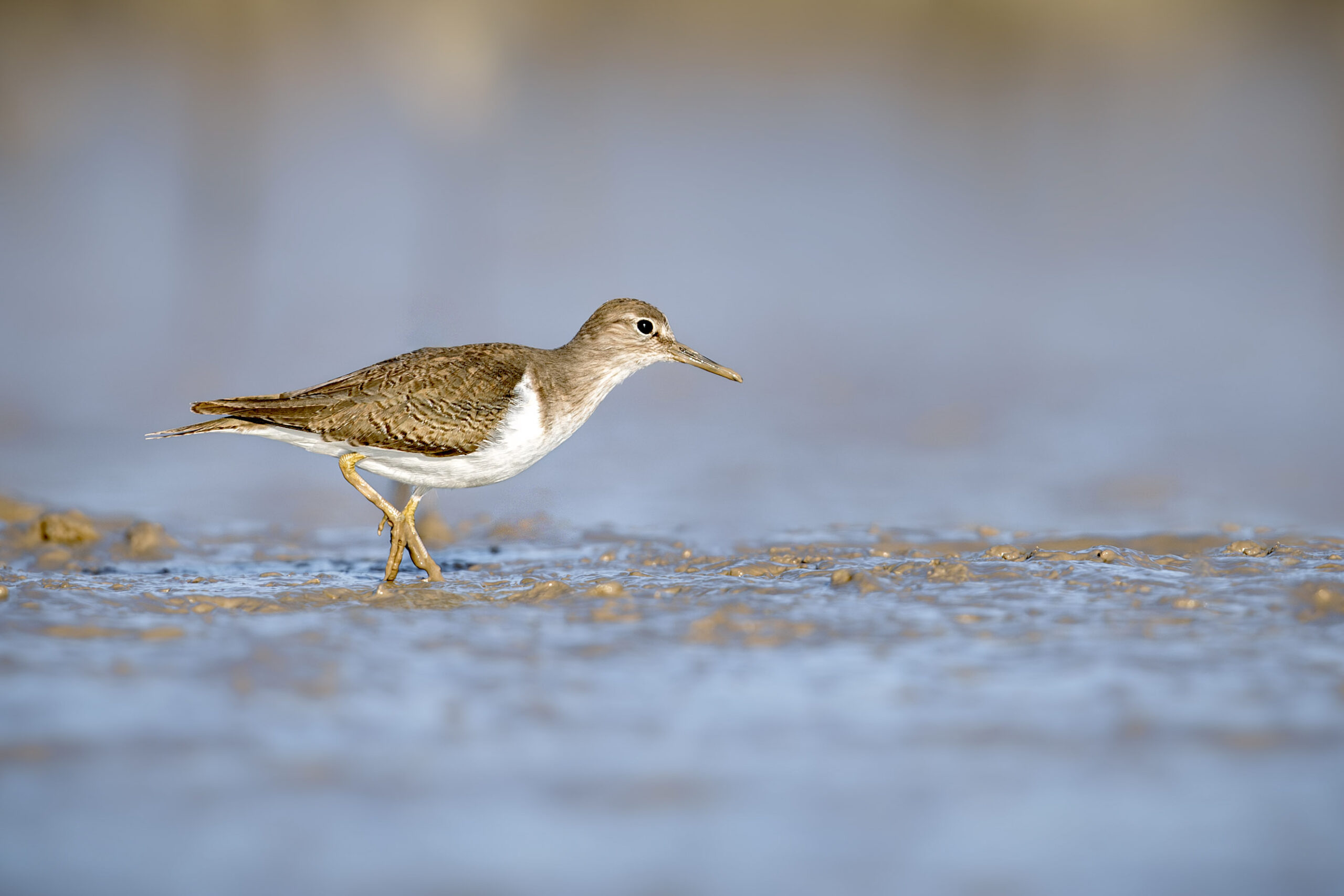
Common Sandpiper

Actitis hypoleucos


Habitat Riverbanks, tidal creek edges, mangrove mudflats, rocky shores, and coastal wetland margins.
Diet Insects, small crustaceans, worms, and aquatic invertebrates picked from waterline surfaces.
Steppe Eagle in the Indus Delta Least concern

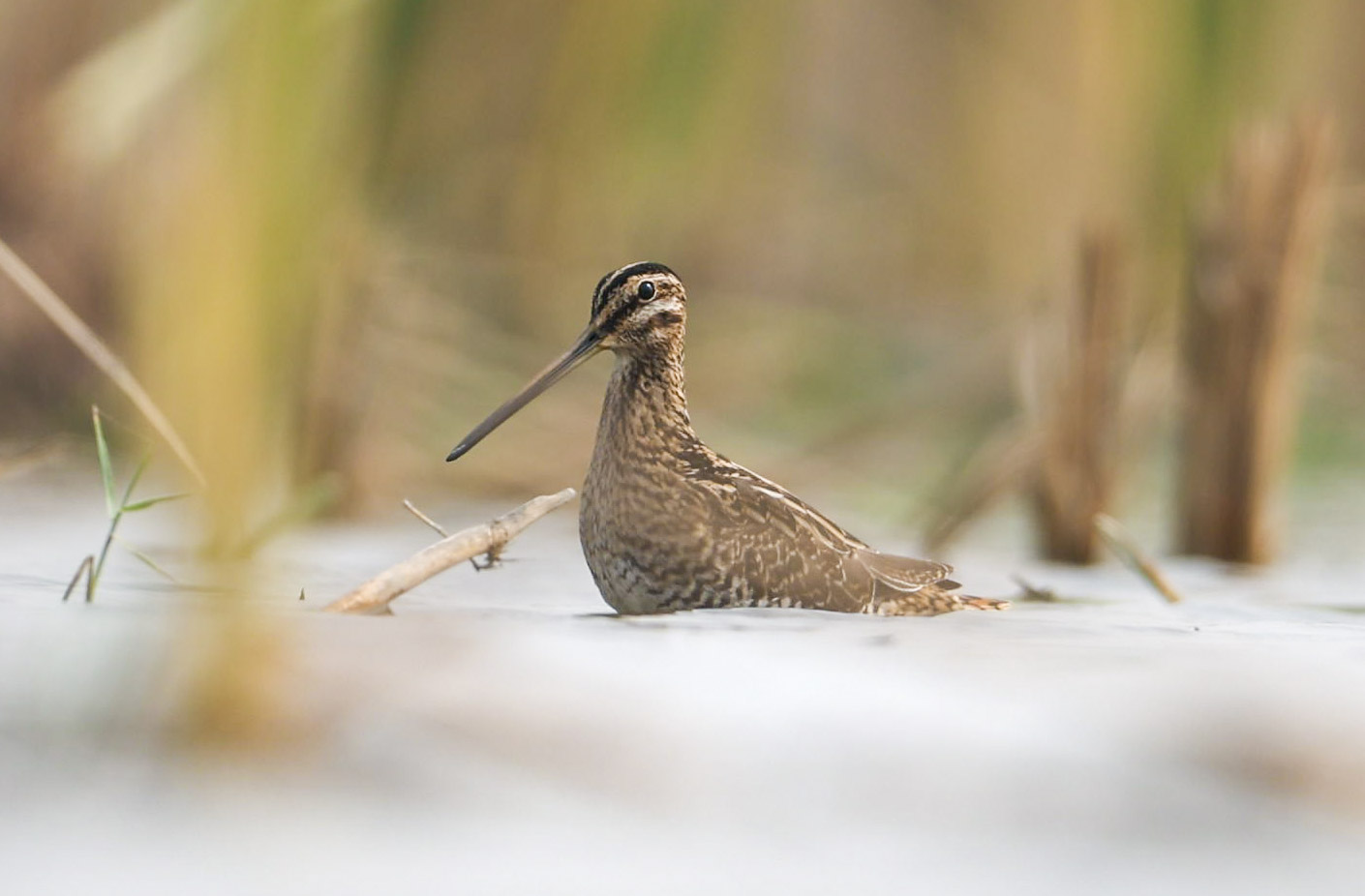
Common Snipe

Gallinago gallinago


Habitat Freshwater marshes, wet grasslands, muddy pond edges, and mangrove creek margins with soft substrate.
Diet Earthworms, insect larvae, small crustaceans, and invertebrates probed from soft mud and waterlogged soil.
Steppe Eagle in the Indus Delta Least concern

Crab-Plover

Dromas ardeola


Habitat Sandy coastal beaches, intertidal mudflats, coral reef edges, and tidal estuaries.
Diet Primarily crabs, also takes other hard-shelled invertebrates using its distinctive, strong bill.
Steppe Eagle in the Indus Delta Least concern

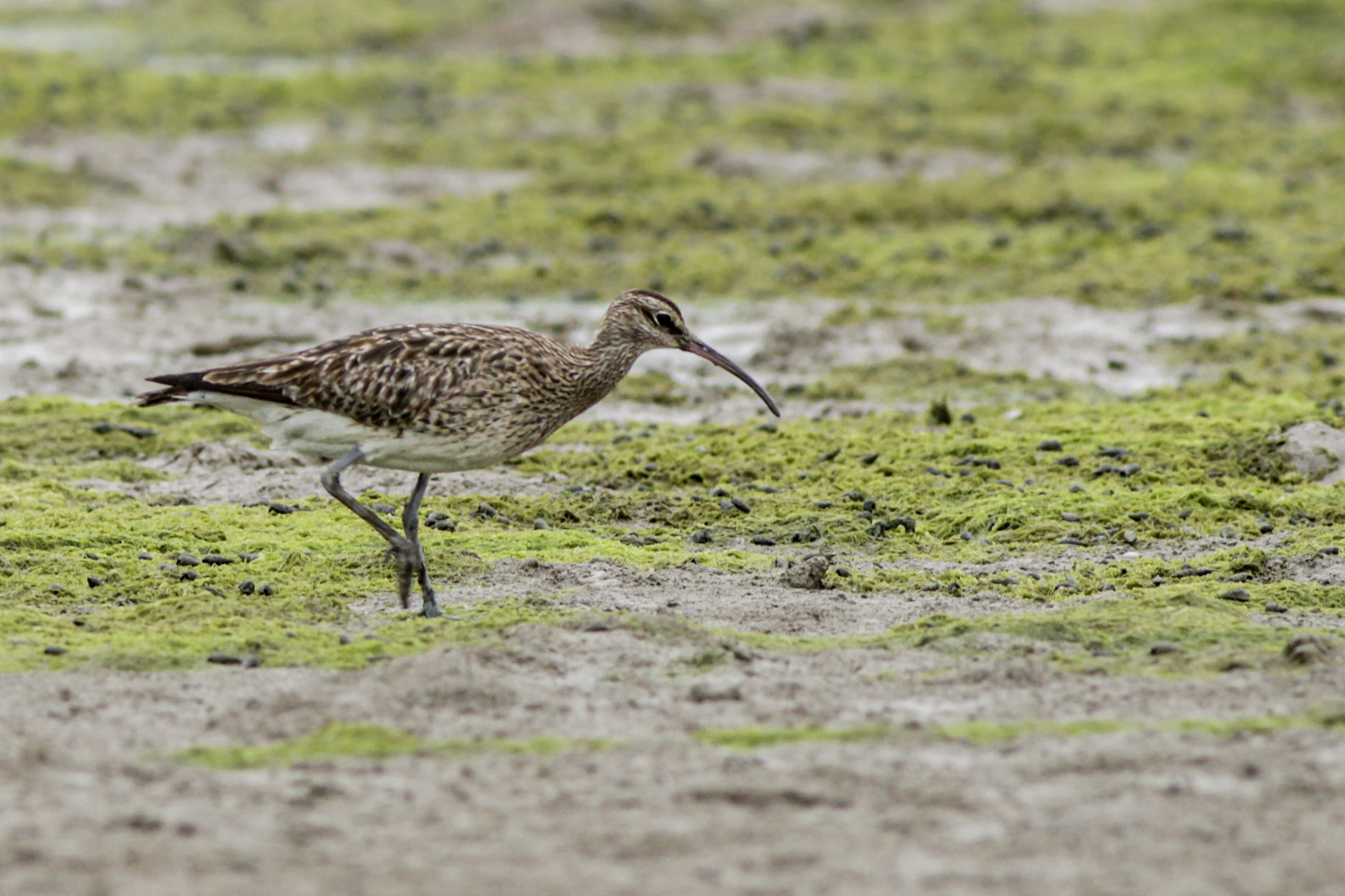
Eurasian Whimbrel

Numenius phaeopus


Habitat Intertidal mudflats, estuarine shorelines, mangrove creeks, and sandy coastal flats.
Diet Crabs, worms, marine invertebrates, and small mollusks probed from mudflat sediments.
Steppe Eagle in the Indus Delta Least concern

Greater Sand-plover

Anarhynchus leschenaultii


Habitat Open sandy beaches, intertidal mudflats, and tidal flats along the coastline.
Diet Small invertebrates, crustaceans, worms, and marine insects picked from the surface of wet sand and mud.
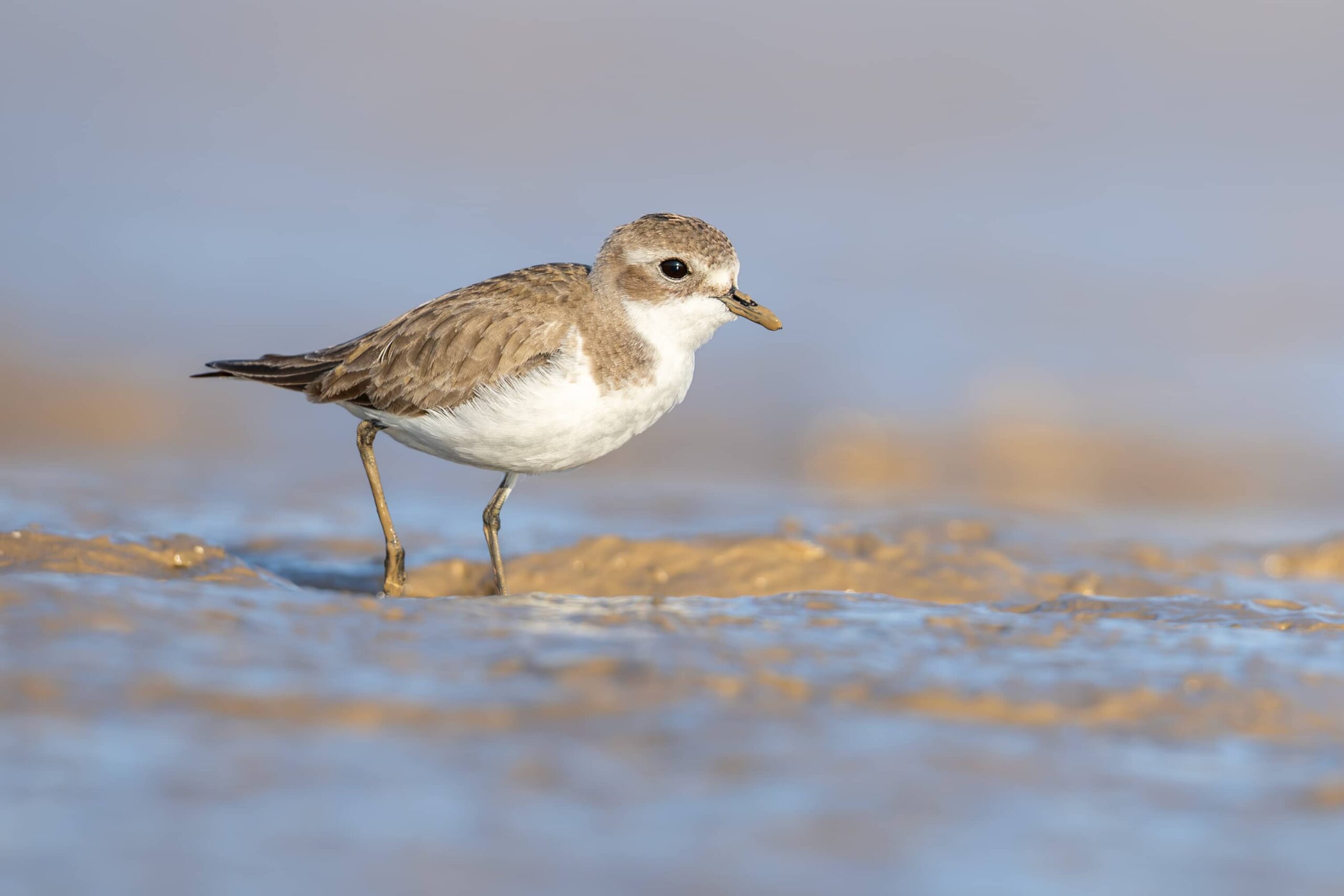
Steppe Eagle in the Indus Delta Least concern

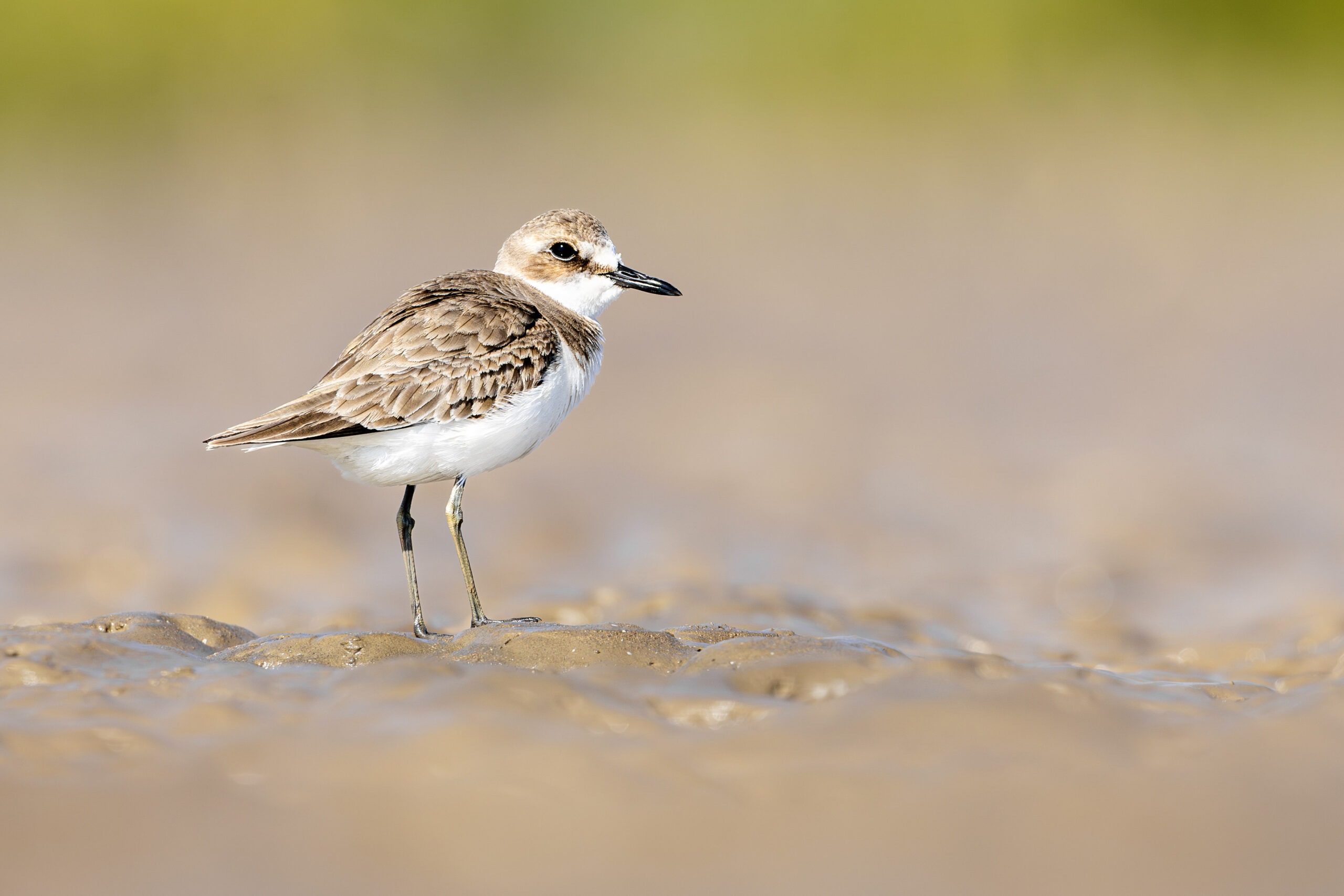
Kentish Plover

Anarhynchus alexandrinus


Habitat Sandy shores, intertidal mudflats, salt pans, and sparsely vegetated coastal ground.
Diet Small invertebrates, insects, crustaceans, and marine worms captured on the surface of sand and mud.
Steppe Eagle in the Indus Delta Least concern

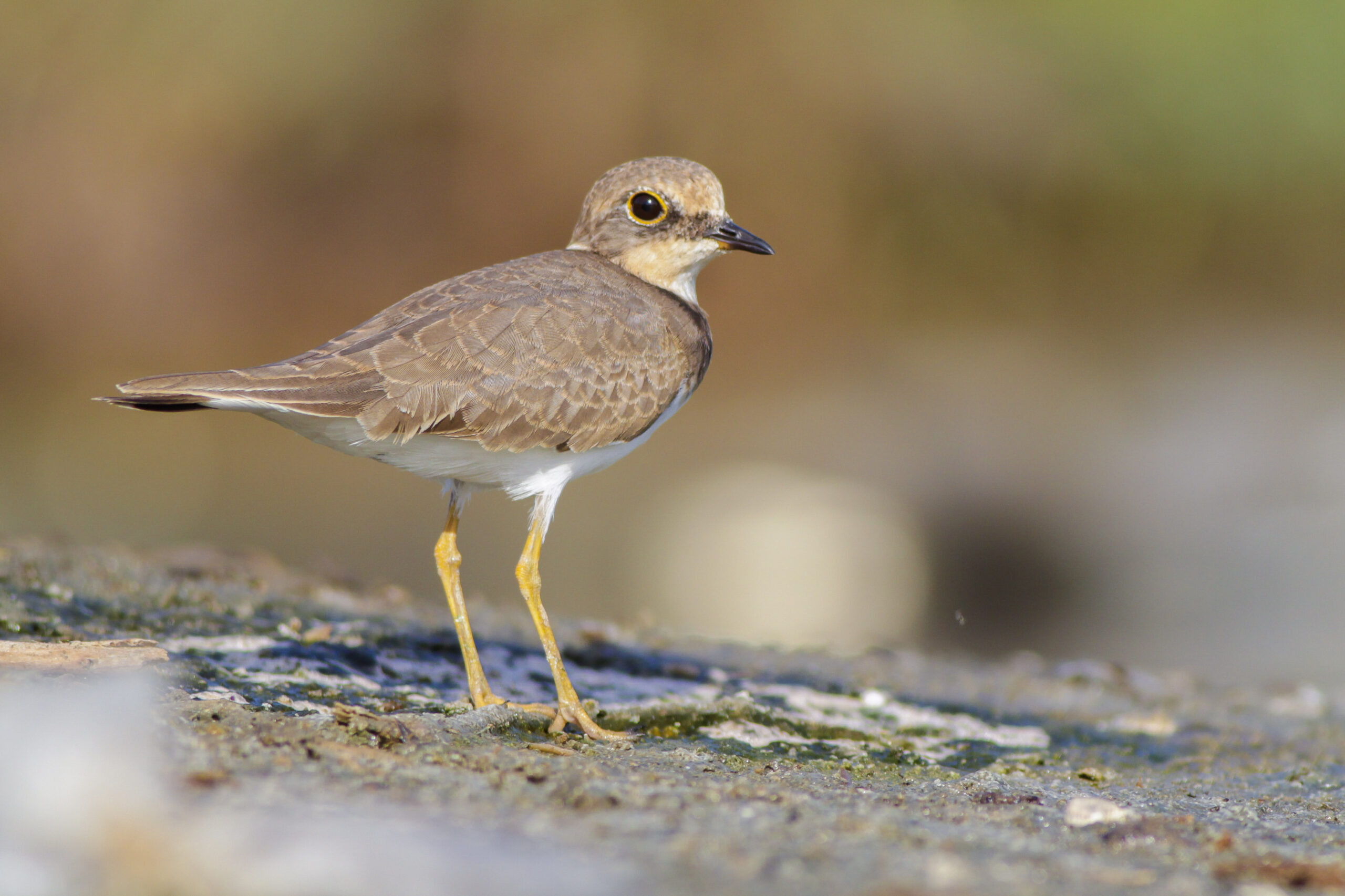
Little Ringed Plover

Thinornis dubius


Habitat Sandy riverbanks, mudflats, intertidal flats, and open coastal ground with sparse vegetation.
Diet Insects, small invertebrates, and worms caught at the surface using a stop-and-run foraging technique.
Steppe Eagle in the Indus Delta Least concern

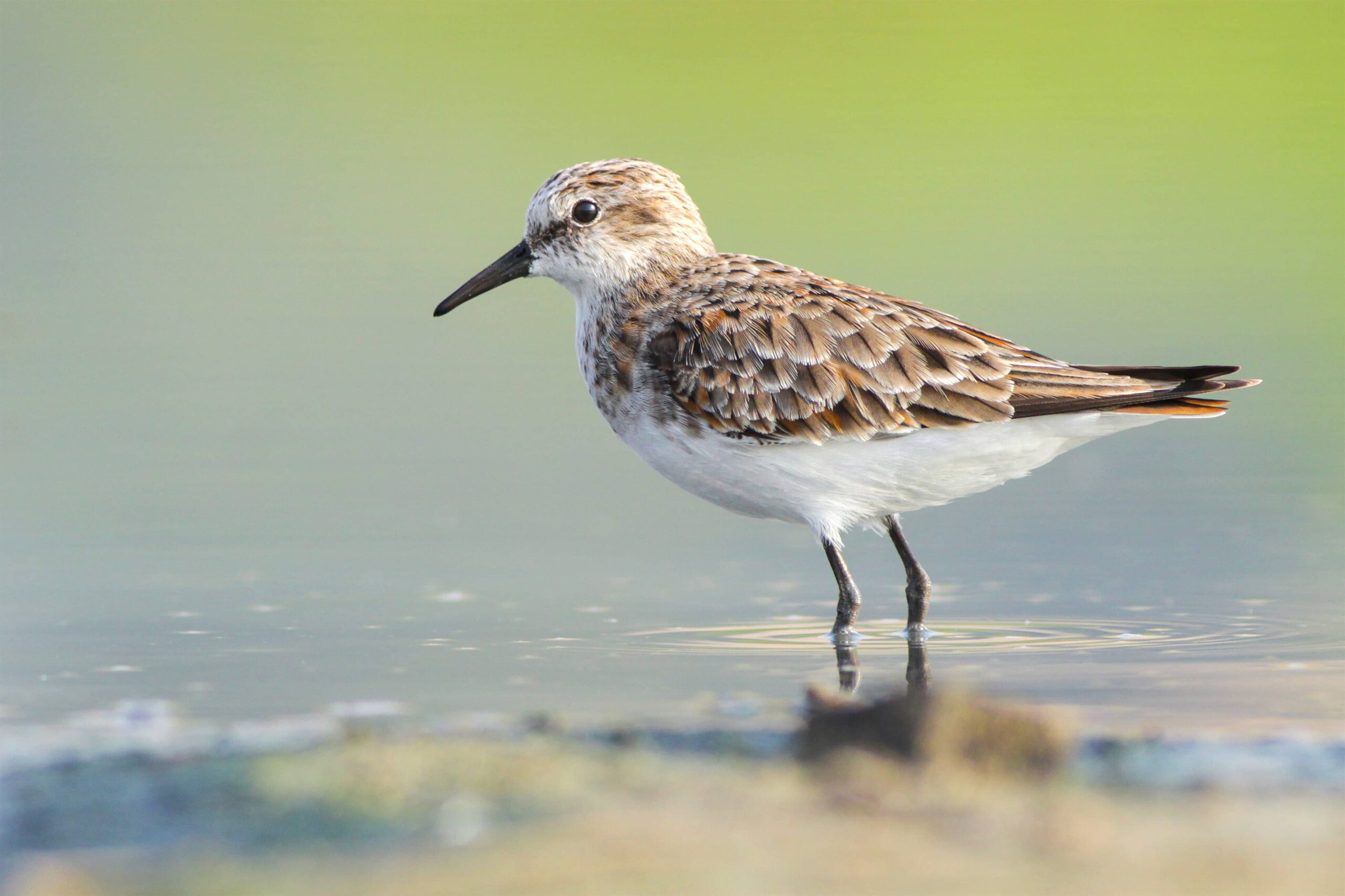
Little Stint

Calidris minuta


Habitat Intertidal mudflats, estuarine wetlands, sandy shores, and mangrove creek margins.
Diet Small invertebrates, insect larvae, crustaceans, and worms pecked from moist mud surfaces.
Steppe Eagle in the Indus Delta Least concern

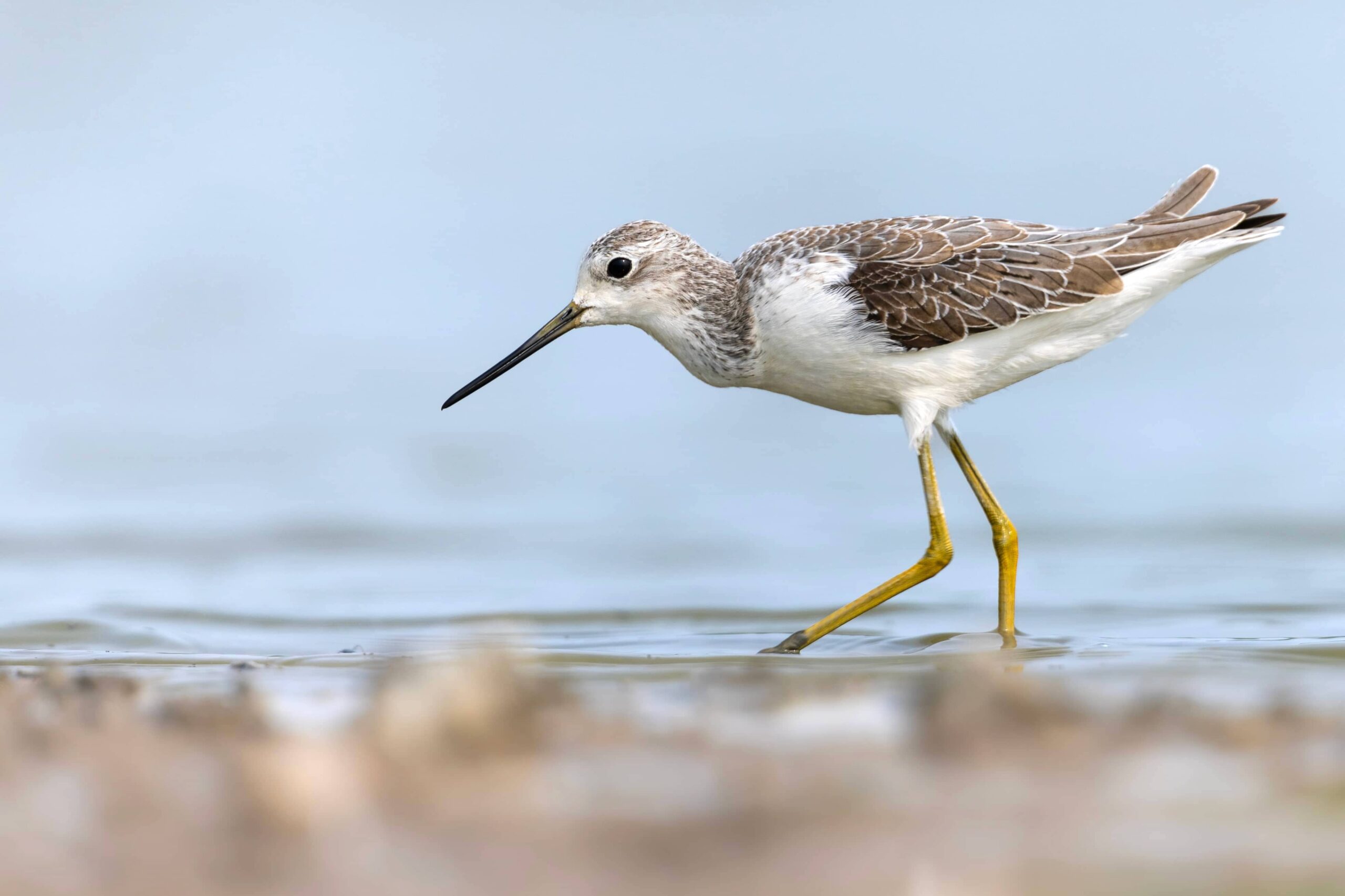
Marsh Sandpiper

Tringa stagnatilis


Habitat Shallow intertidal pools, mangrove creek edges, freshwater margins, and coastal mudflats.
Diet AAquatic insects, small crustaceans, worms, and invertebrates picked from the water surface or soft mud.
Steppe Eagle in the Indus Delta Least concern

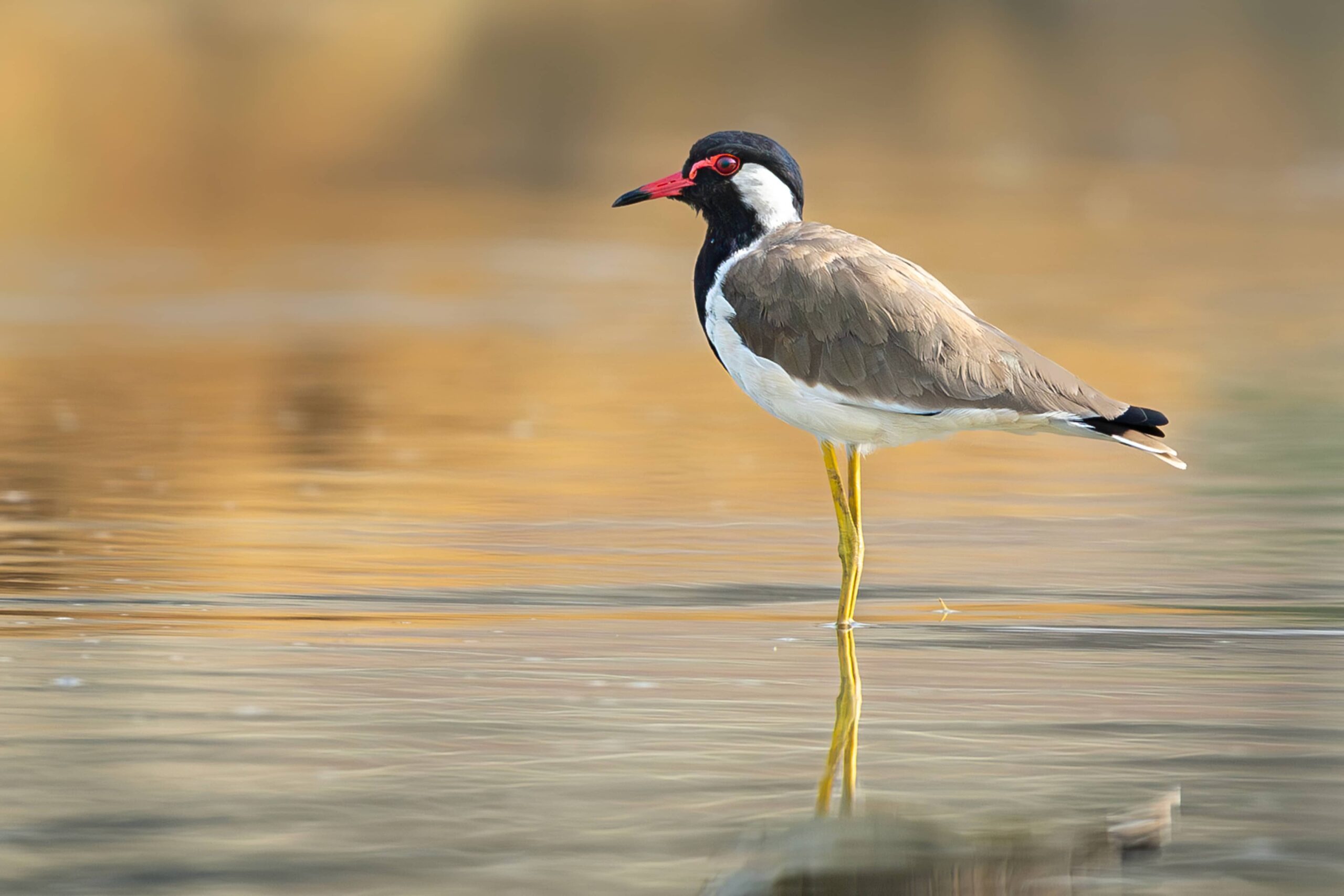
Red-wattled Lapwing

Vanellus indicus


Habitat Wet grasslands, agricultural margins, open mudflats, and mangrove edges.
Diet Insects, earthworms, small invertebrates, and seeds gleaned from the ground surface.
Steppe Eagle in the Indus Delta Least concern

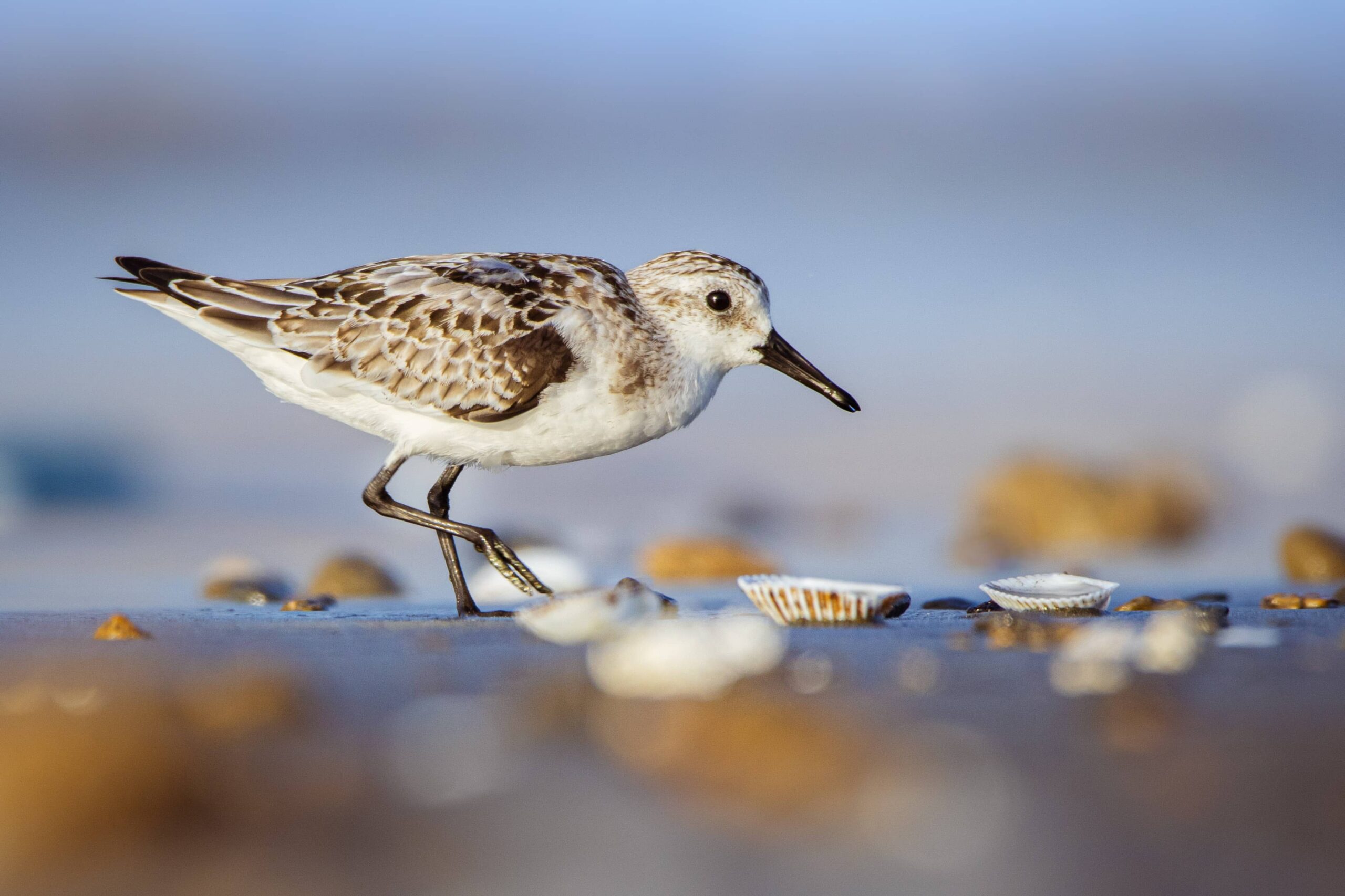
Sanderling

Calidris alba


Habitat Sandy beaches, open intertidal flats, and wave-washed shorelines along the coastline.
Diet Small crustaceans, mollusks, marine worms, and invertebrates chased at the waterline with rapid runs.
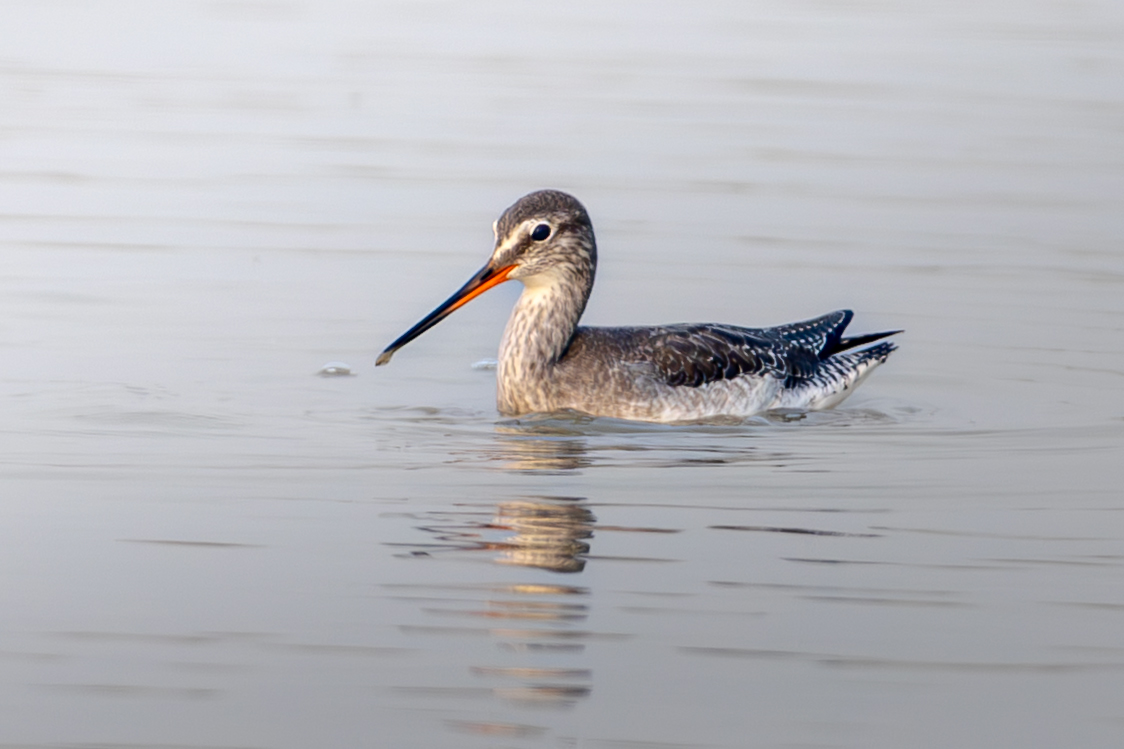
Steppe Eagle in the Indus Delta Least concern

Spotted Redshank

Tringa erythropus


Habitat Shallow intertidal mudflats, mangrove creek margins, and coastal wetlands.
Diet Aquatic invertebrates, worms, small crustaceans, and insects picked or probed from shallow water.
Steppe Eagle in the Indus Delta Least concern

Tibetan Sand-plover

Charadrius atrifrons


Habitat Sandy beaches, intertidal mudflats, estuarine shores, and tidal flats.
Diet Small invertebrates, insects, marine worms, and mollusks picked from moist sediment.