BIRDS DIVERSITY

WATERBIRDS

Waterbirds form a diverse and ecologically important component of the Indus Delta’s mangrove and coastal wetland ecosystem. This group includes species such as ducks, pelicans, cormorants, ibises and flamingos, which are closely associated with open water habitats, tidal creeks, and deeper channels within the delta. The mosaic of freshwater influx and brackish conditions provides ideal feeding and roosting environments, supporting both resident populations and seasonal migrants.

Steppe Eagle in the Indus Delta Near Threatened

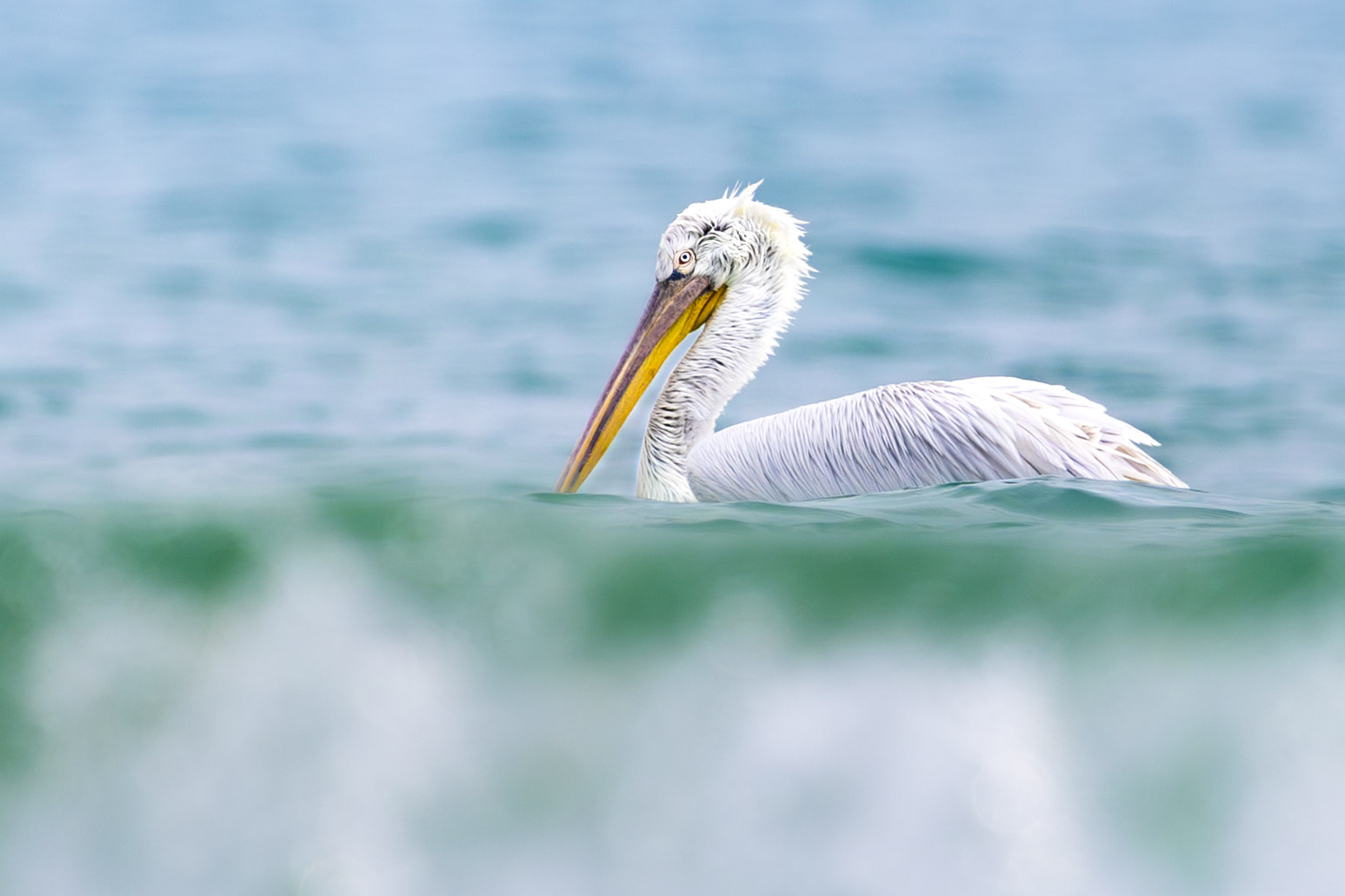
Dalmatian Pelican

Pelecanus crispus


Habitat Large open water bodies, coastal lagoons, estuaries, and mangrove-fringed bays.
Diet Fish caught in cooperative group fishing bouts, takes a wide variety of fish species.
Steppe Eagle in the Indus Delta Near Threatened

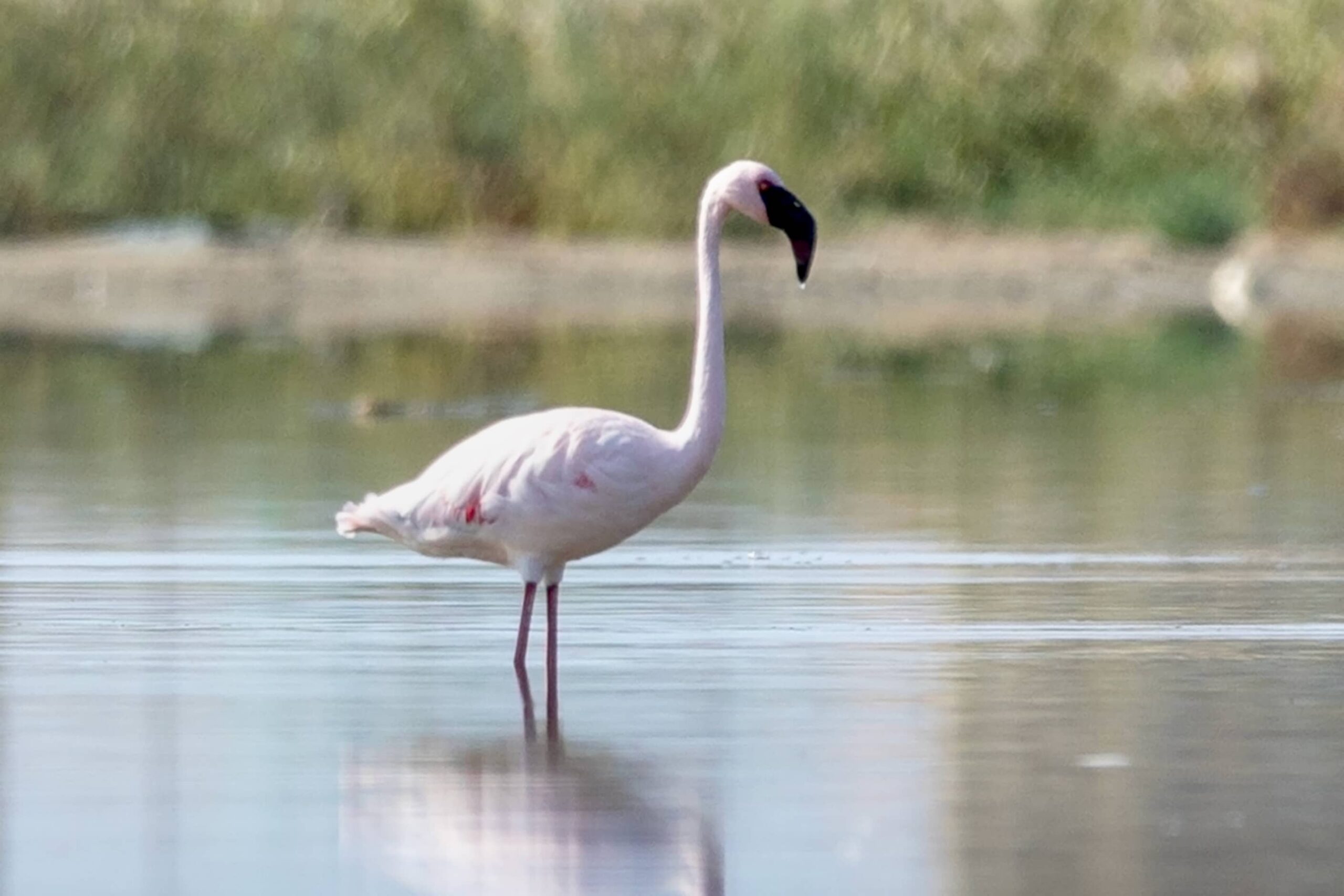
Lesser Flamingo

Phoeniconaias minor


Habitat Saline lagoons, coastal mudflats, saltpans, and shallow brackish water bodies.
Diet Cyanobacteria, algae, and microscopic organisms filtered from shallow water through a specialised inverted bill.
Steppe Eagle in the Indus Delta Least Concern

Common Shelduck

Tadorna tadorna


Habitat Coastal mudflats, saltmarshes, sandy estuaries, and shallow brackish lagoons.
Diet Small mollusks, crustaceans, invertebrates, and algae filtered from wet mud and shallow water.
Steppe Eagle in the Indus Delta Least Concern

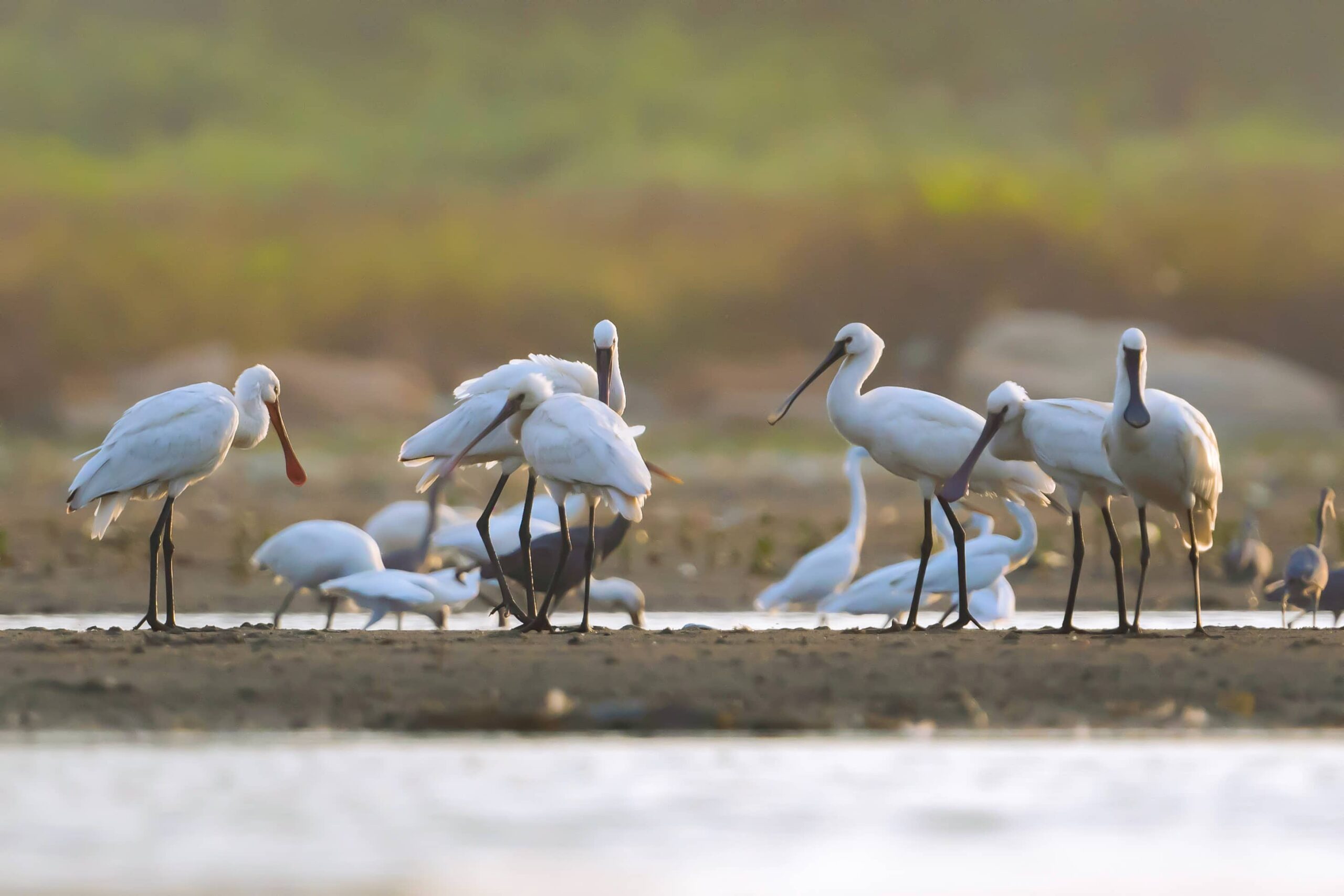
Eurasian Spoonbill

Platalea leucorodia


Habitat Shallow estuarine channels, mangrove creek margins, saltmarshes, and coastal lagoons.
Diet Small fish, crustaceans, aquatic invertebrates, and frogs swept using a distinctive side-to-side bill motion.
Steppe Eagle in the Indus Delta Least Concern

Eurasian Wigeon

Mareca penelope


Habitat Shallow coastal lagoons, mangrove-edged wetlands, estuarine shores, and flooded grasslands.
Diet Aquatic plant matter, grasses, algae, and occasionally invertebrates grazed from wet vegetation or open water.
Steppe Eagle in the Indus Delta Least Concern

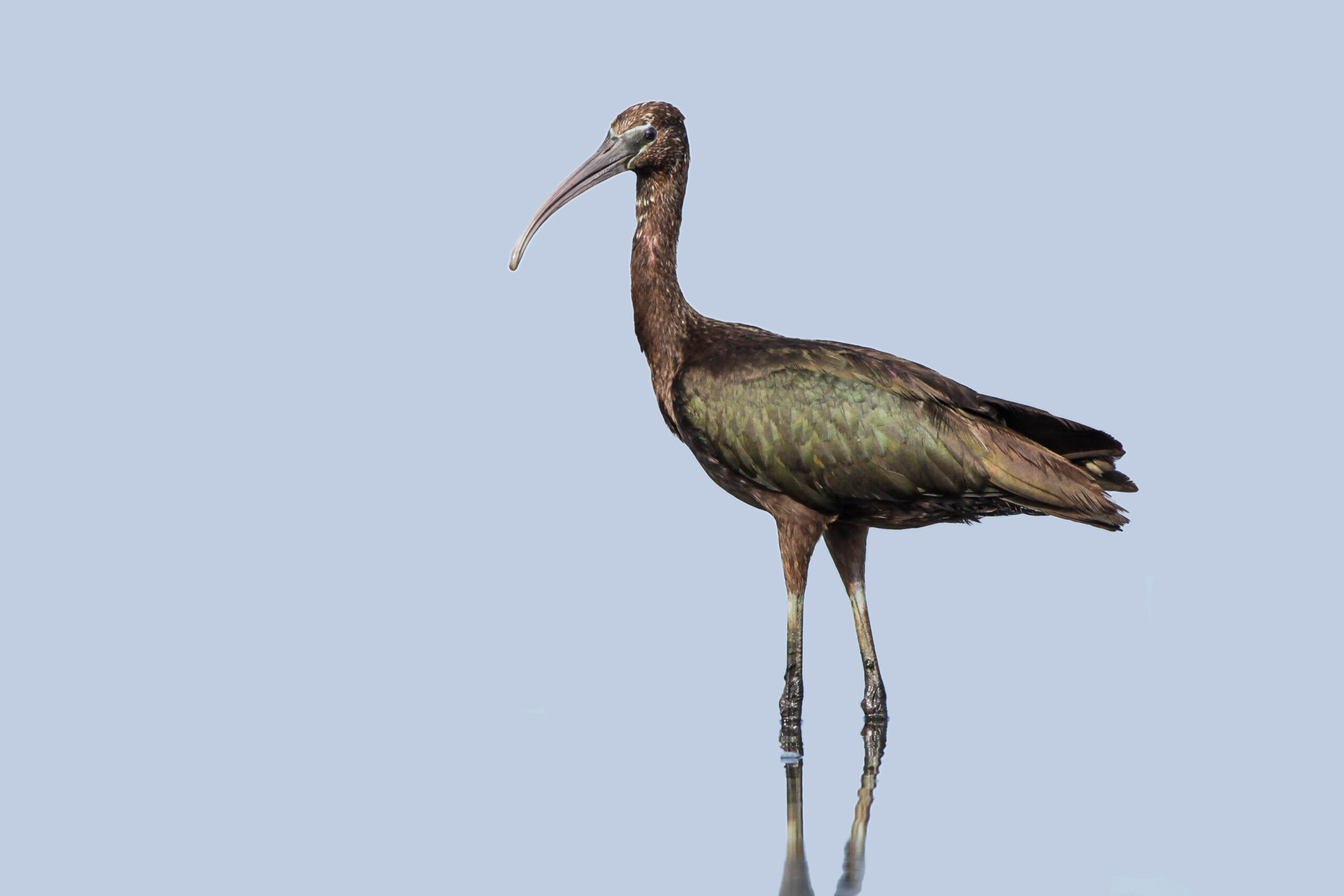
Glossy Ibis

Plegadis falcinellus


Habitat Shallow freshwater and brackish wetlands, mangrove edges, flooded grasslands, and estuarine mudflats.
Diet Aquatic insects, crayfish, frogs, small fish, and invertebrates probed from soft mud. .
Steppe Eagle in the Indus Delta Least Concern

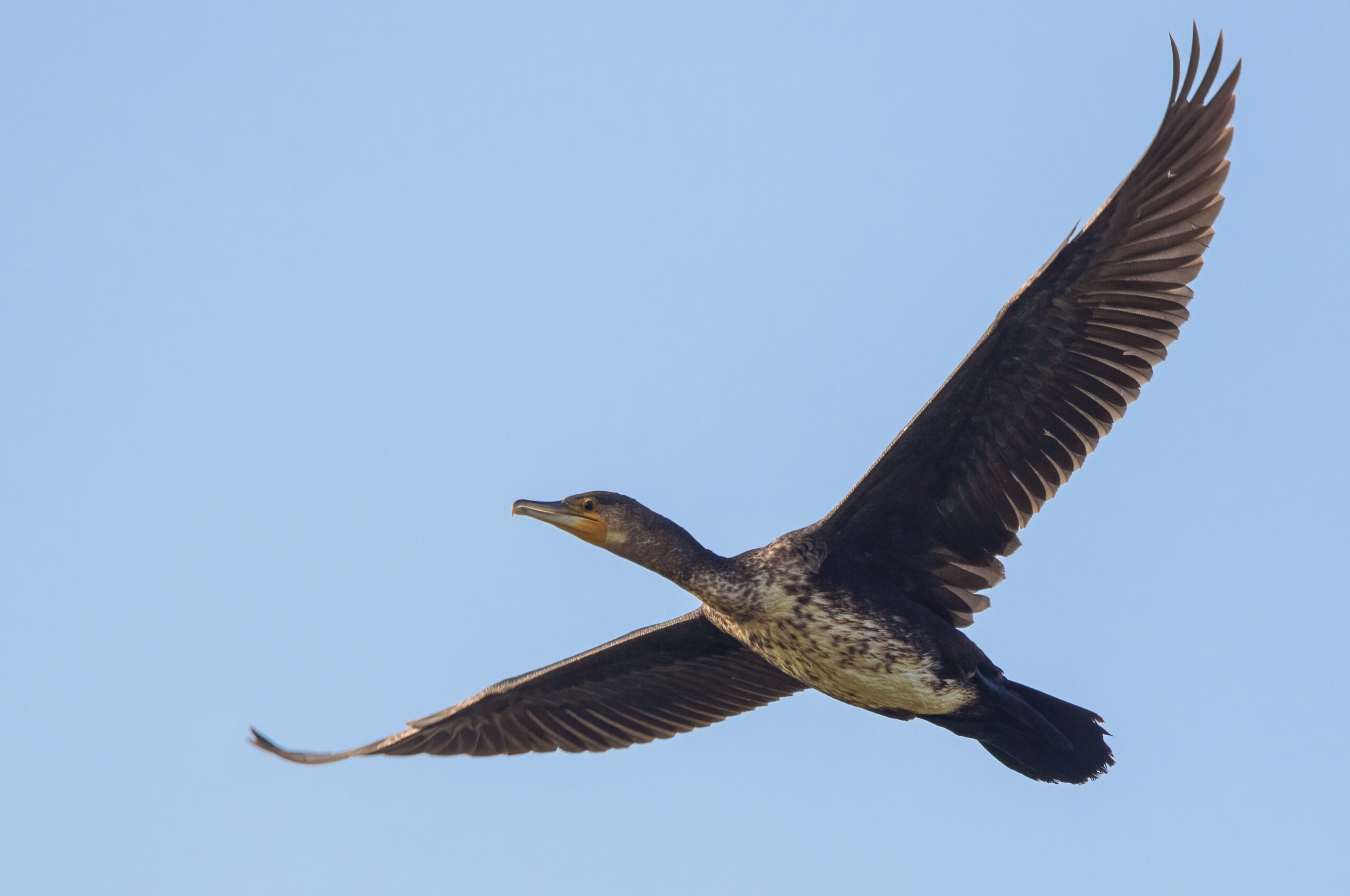
Great Cormorant

Phalacrocorax carbo


Habitat Coastal waters, mangrove creeks, estuaries, and large open wetlands.
Diet Fish of various species caught by deep pursuit diving; can dive to several metres depth.
Steppe Eagle in the Indus Delta Least Concern

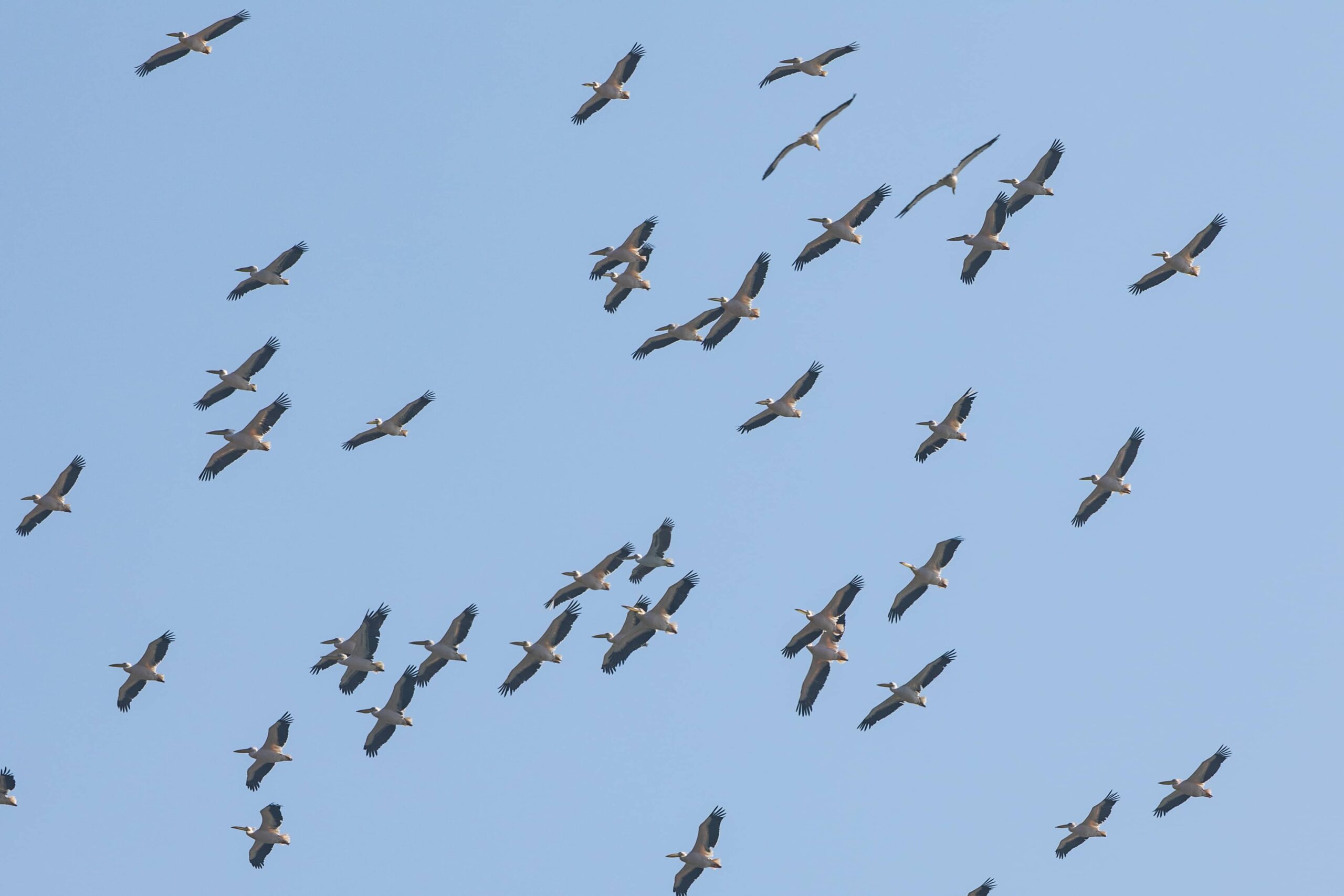
Great White Pelican

Pelecanus onocrotalus


Habitat Large open water bodies, coastal lagoons, estuaries, and mangrove-lined bays.
Diet Fish caught cooperatively by groups driving shoals into shallow water.
Steppe Eagle in the Indus Delta Least Concern

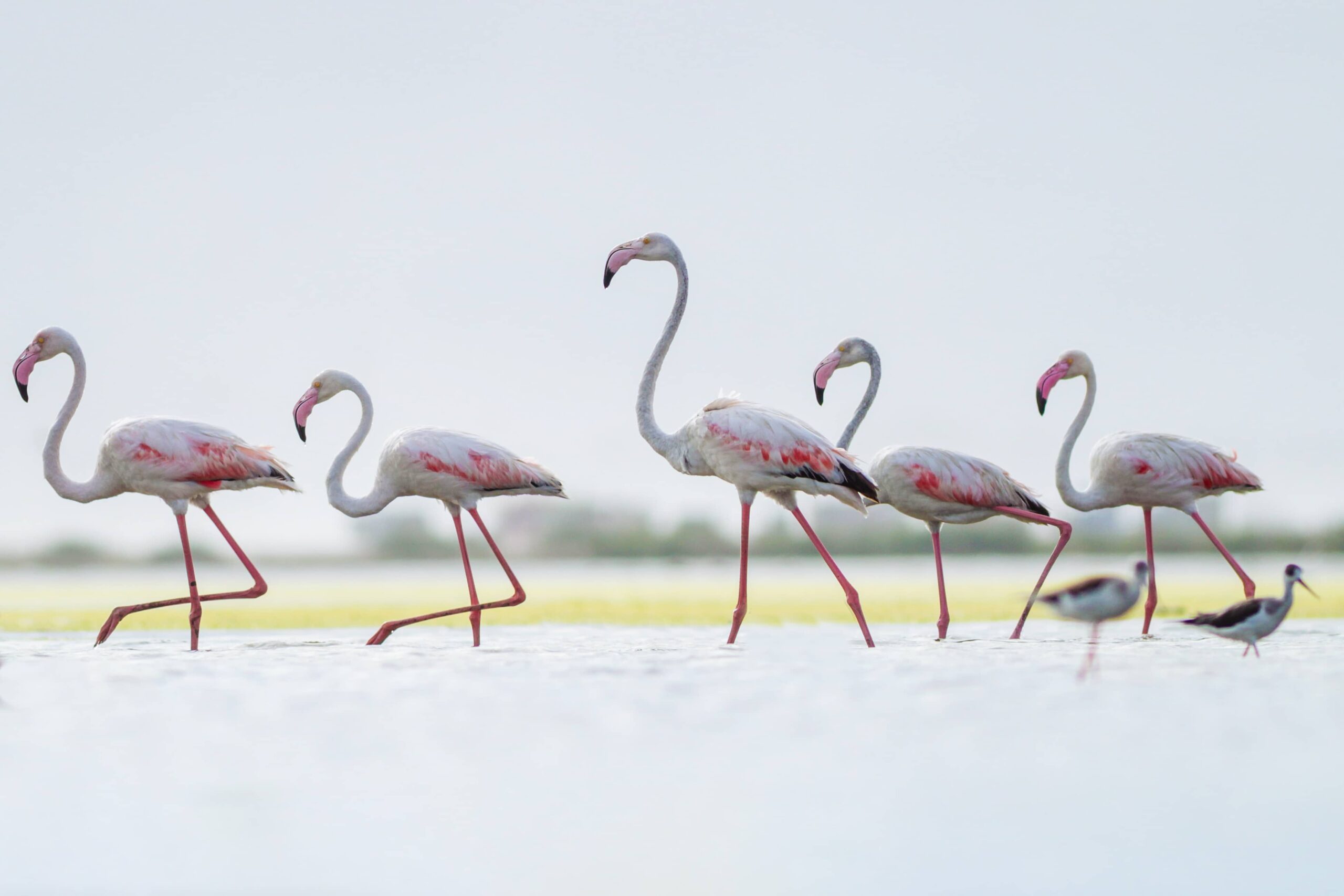
Greater Flamingo

Phoenicopterus roseus


Habitat Coastal lagoons, saline mudflats, estuarine shallows, and large open saltpans.
Diet Invertebrates, algae, small crustaceans, and diatoms filtered from saline water and soft mud.
Steppe Eagle in the Indus Delta Least Concern

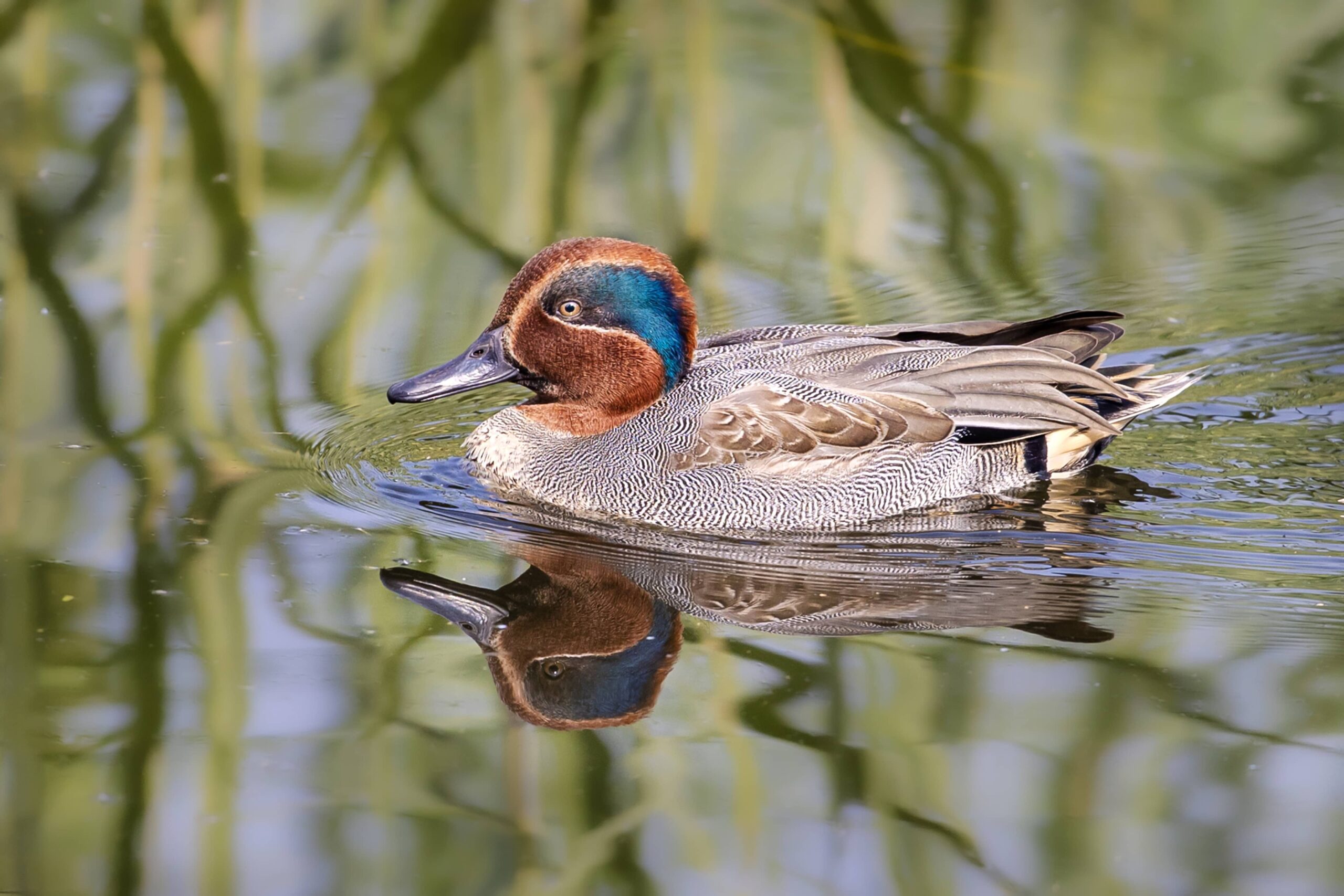
Green-winged Teal

Anas carolinensis


Habitat Shallow freshwater marshes, coastal lagoons, mangrove edges, and estuarine shallows.
Diet Seeds, aquatic plant matter, invertebrates, and small mollusks filtered from the water surface.
Steppe Eagle in the Indus Delta Least Concern

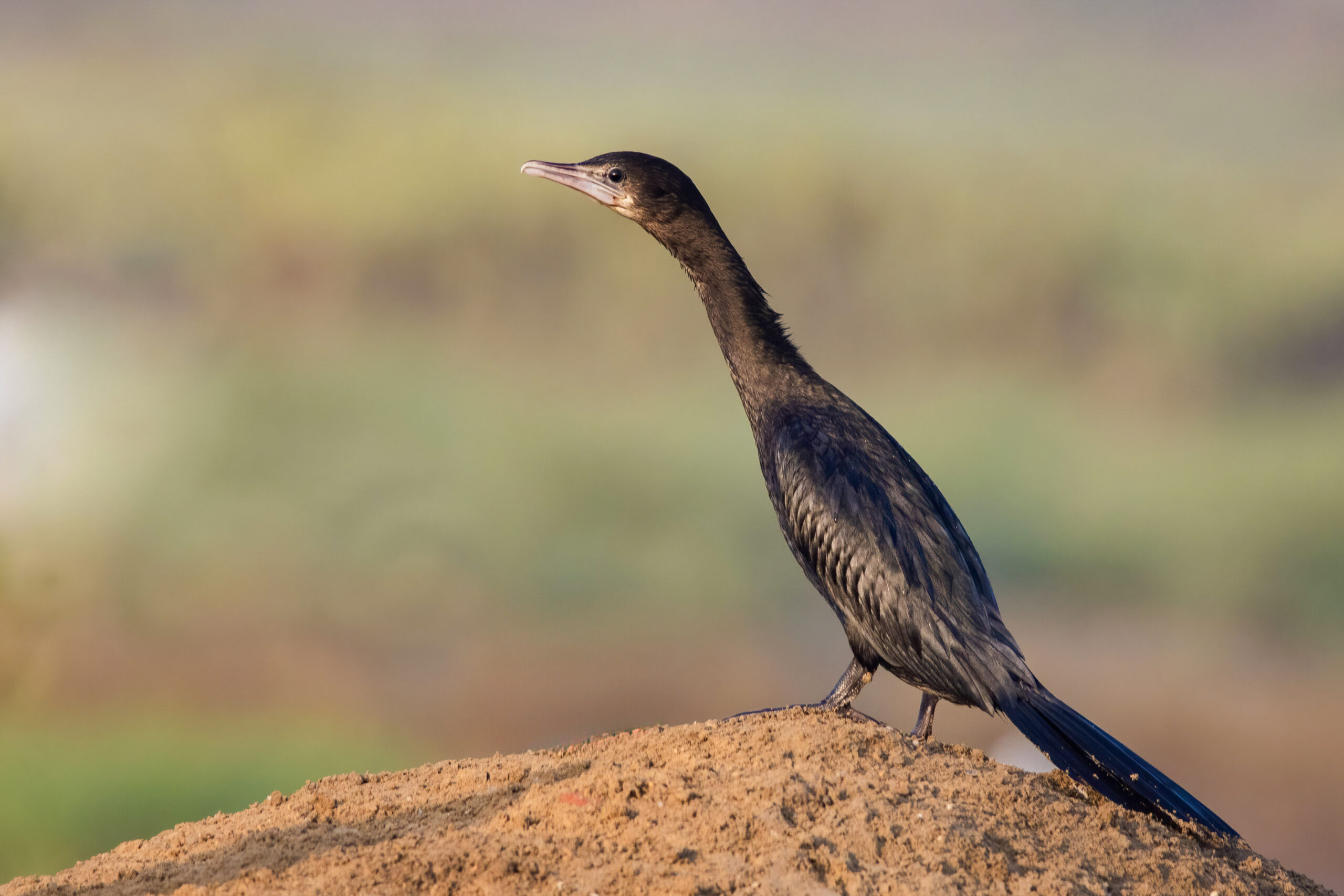
Little Cormorant

Microcarbo niger


Habitat Mangrove-lined creeks, estuarine channels, freshwater wetlands, and shallow coastal water bodies.
Diet Small fish caught by pursuit diving; a highly efficient underwater hunter.
Steppe Eagle in the Indus Delta Least Concern

Mallard

Anas platyrhynchos


Habitat Shallow freshwater wetlands, mangrove creek edges, coastal lagoons, and flooded agricultural margins.
Diet Aquatic plants, seeds, grains, invertebrates, and small amphibians dabbled from the water surface.
Steppe Eagle in the Indus Delta Least Concern

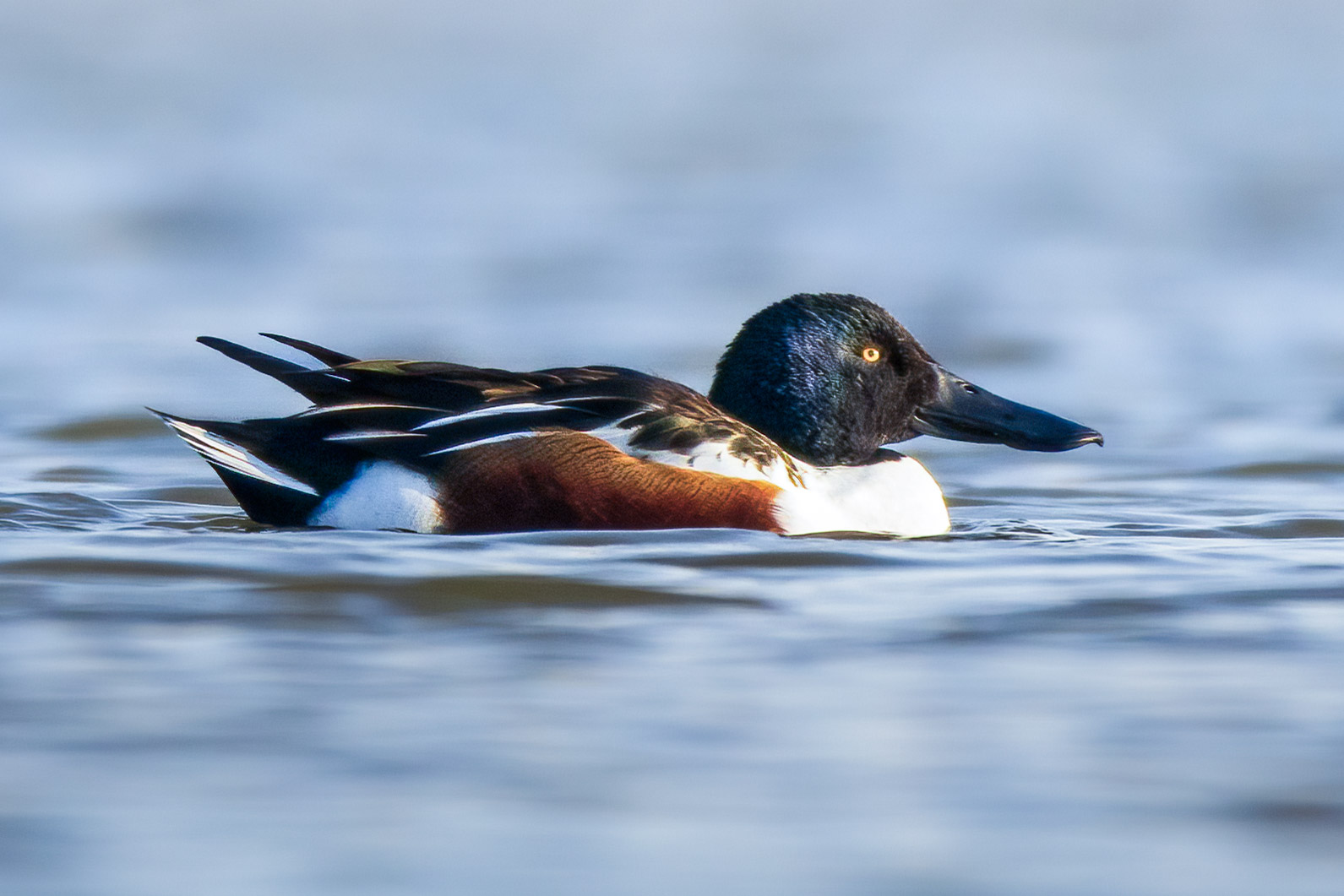
Northern Shoveler

Spatula clypeata


Habitat Shallow wetlands, coastal lagoons, flooded mudflats, and estuarine edges with calm water.
Diet Aquatic invertebrates, zooplankton, algae, and plant matter filtered through comb-like lamellae in the spatula-shaped bill.