DELTA BLUE CARBON
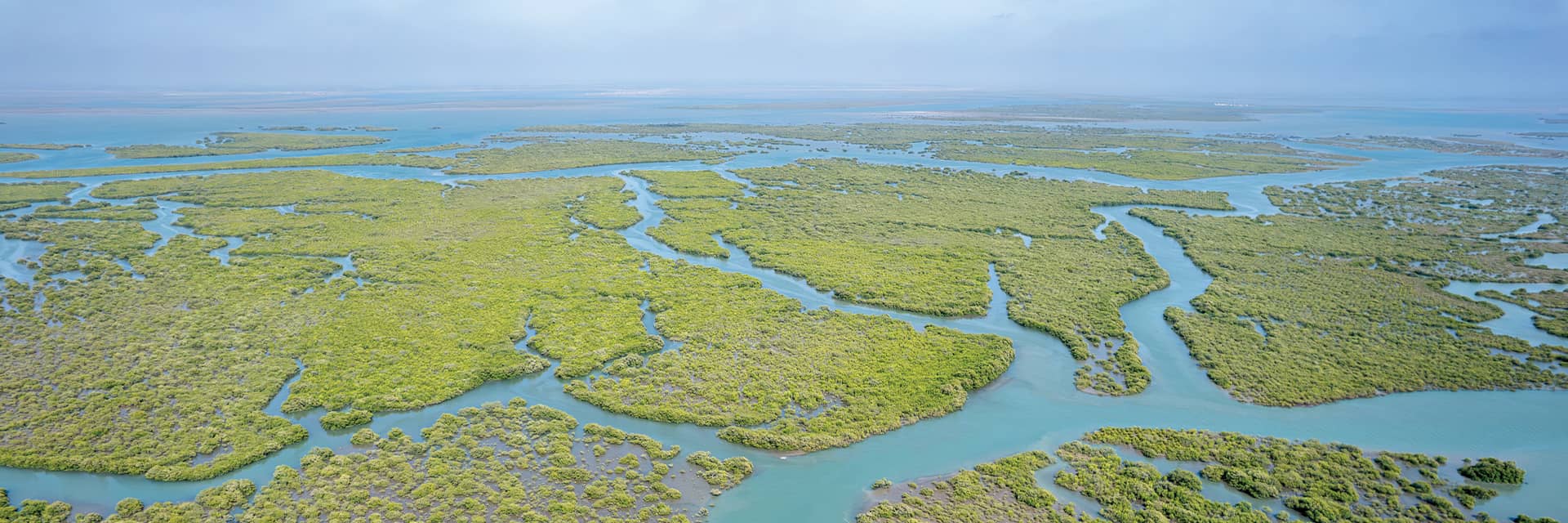
The World Largest Mangrove Restoration Project
Protecting the Indus Delta through habitat restoration, conservation, and science-based monitoring. Our efforts safeguard this globally significant landscape.
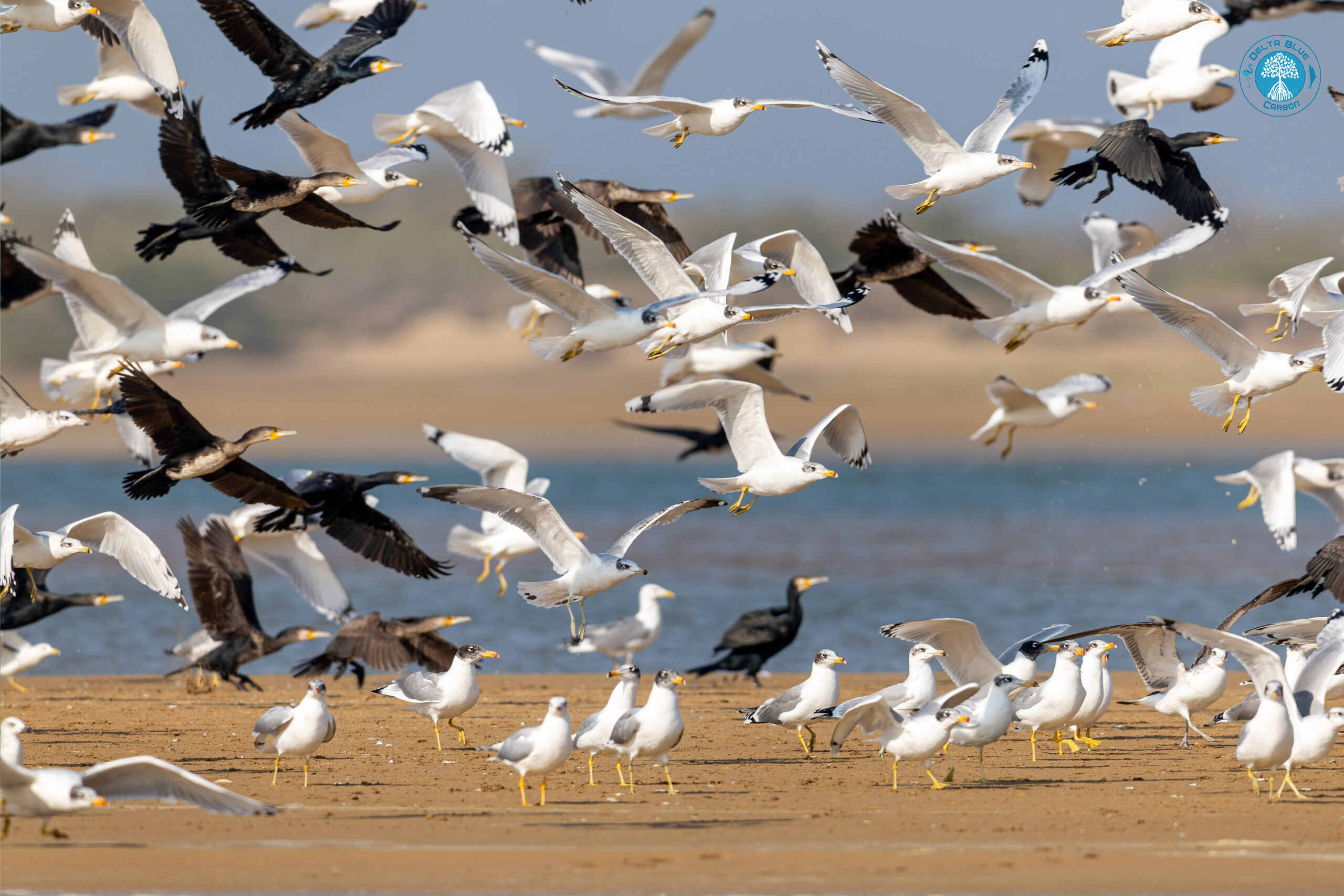
Central Asian Flyway
Sanctuary for Migratory Birds
The Indus Delta is a vital node on the Central Asian Flyway. Through habitat restoration, we protect wetlands and mudflats that sustain migratory birds and globally threatened species across this unique coastal landscape.
Biodiversity Hotspot
Life Thrives Within Mangroves
Beneath the canopy of mangroves lies a world of biodiversity. These coastal forests sustain wildlife, support marine life, and maintain the ecological balance of the Indus Delta.
RAMSAR SITE
KEY BIODIVERSITY AREA
CENTRAL ASIAN FLYWAY
COMMUNITY LIVELIHOOD
BIODIVERSITY HOTSPOT
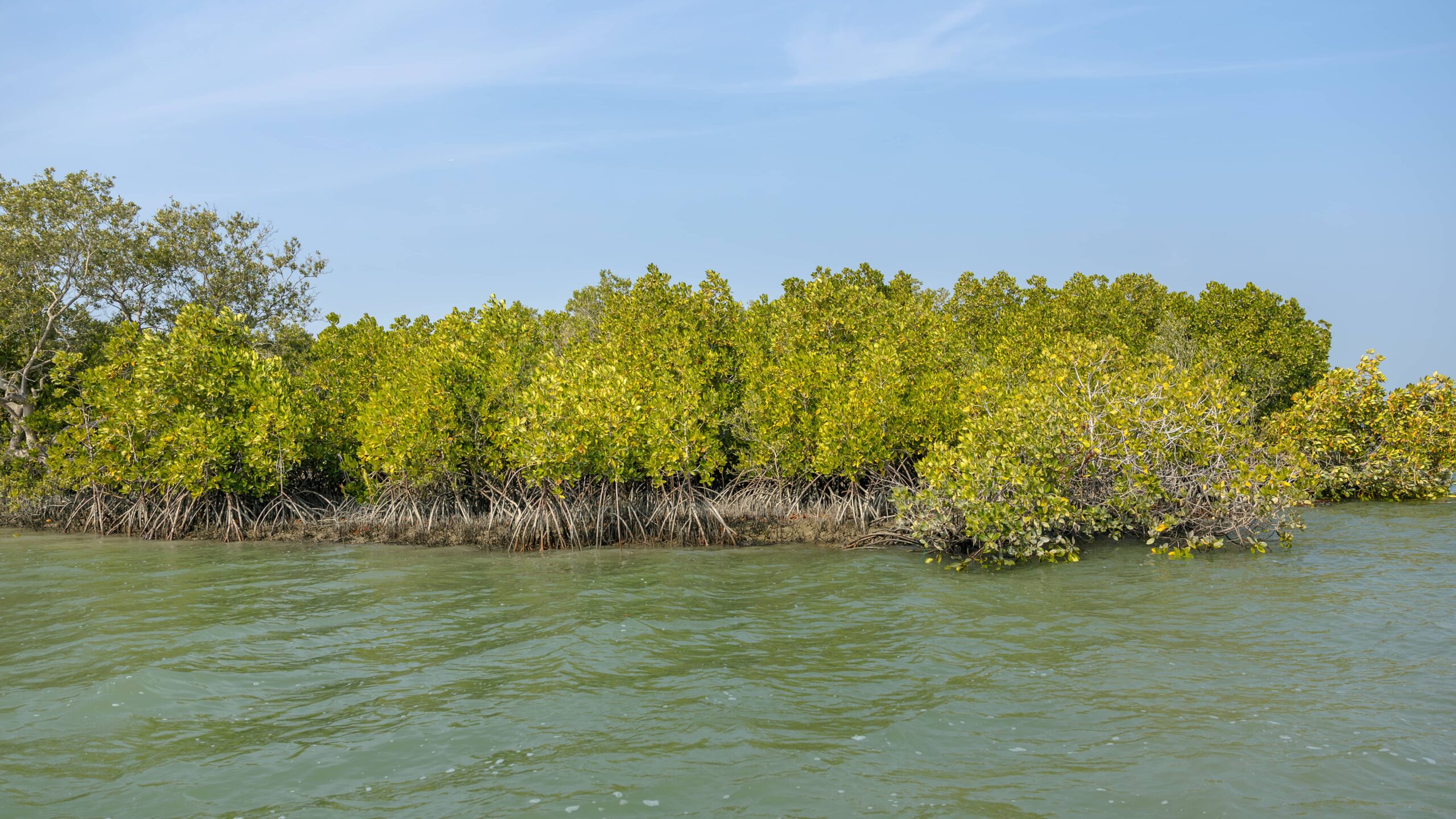
RAMSAR SITE
The Indus Delta is recognized under the Ramsar Convention as a wetland of international importance due to its ecological sensitivity and biodiversity value.
EXPLORE SPECIES DIVERSITY
DISCOVER THE WILDLIFE OF INDUS DELTA
The Delta Blue Carbon Project -1 covers around 225,000 hectares of mangrove forests, tidal flats, and interconnected waterways, forming one of the most dynamic coastal ecosystems in the region. The Indus Delta holds a remarkable diversity of life shaped by its unique habitats and ecological processes. From migratory birds and elusive mammals to marine species, reptiles, amphibians, and pollinators, each species plays a role in this interconnected ecosystem. Through biodiversity surveys and long-term monitoring, DBC continues to expand knowledge of the wildlife that thrives across this landscape. Explore the wildlife DBC safeguards.
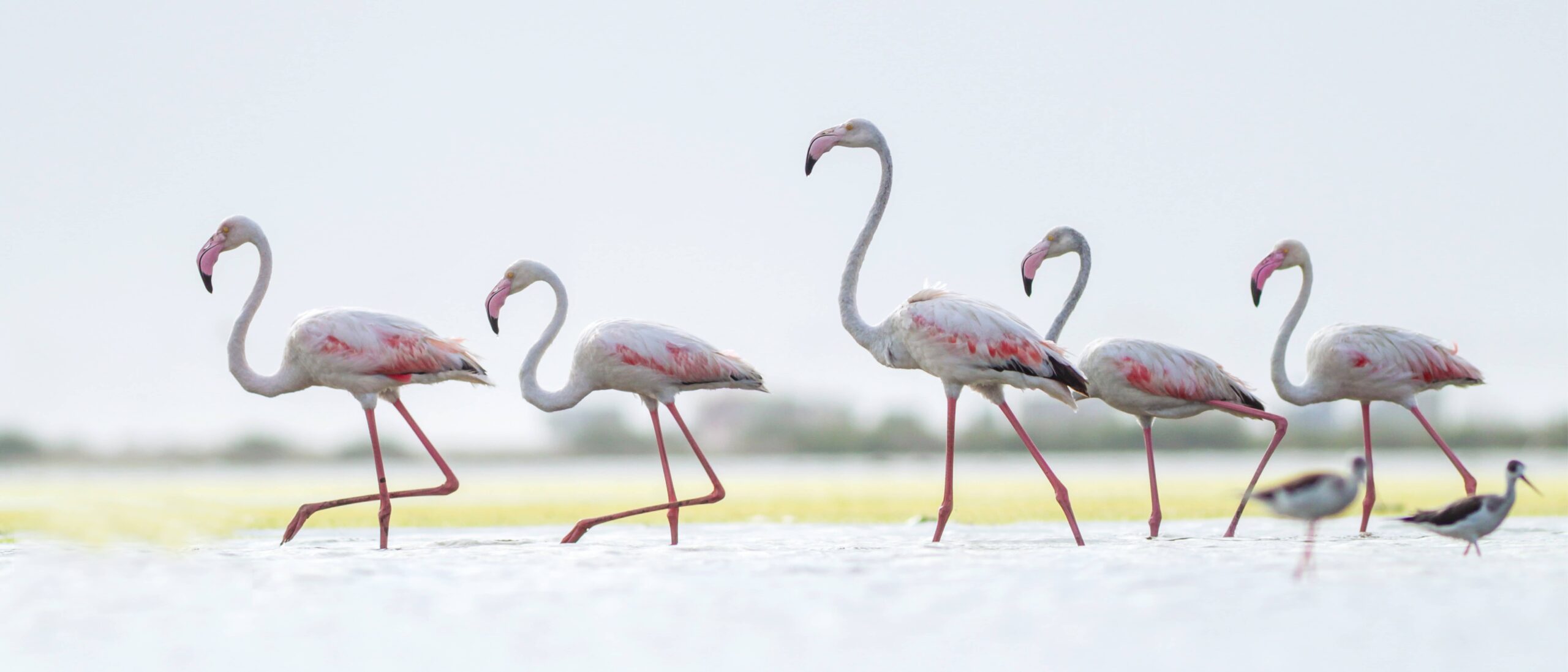
108 SPECIES
BIRDS
Migratory shorebirds, raptors, herons, egrets and wetland specialists.
Explore →
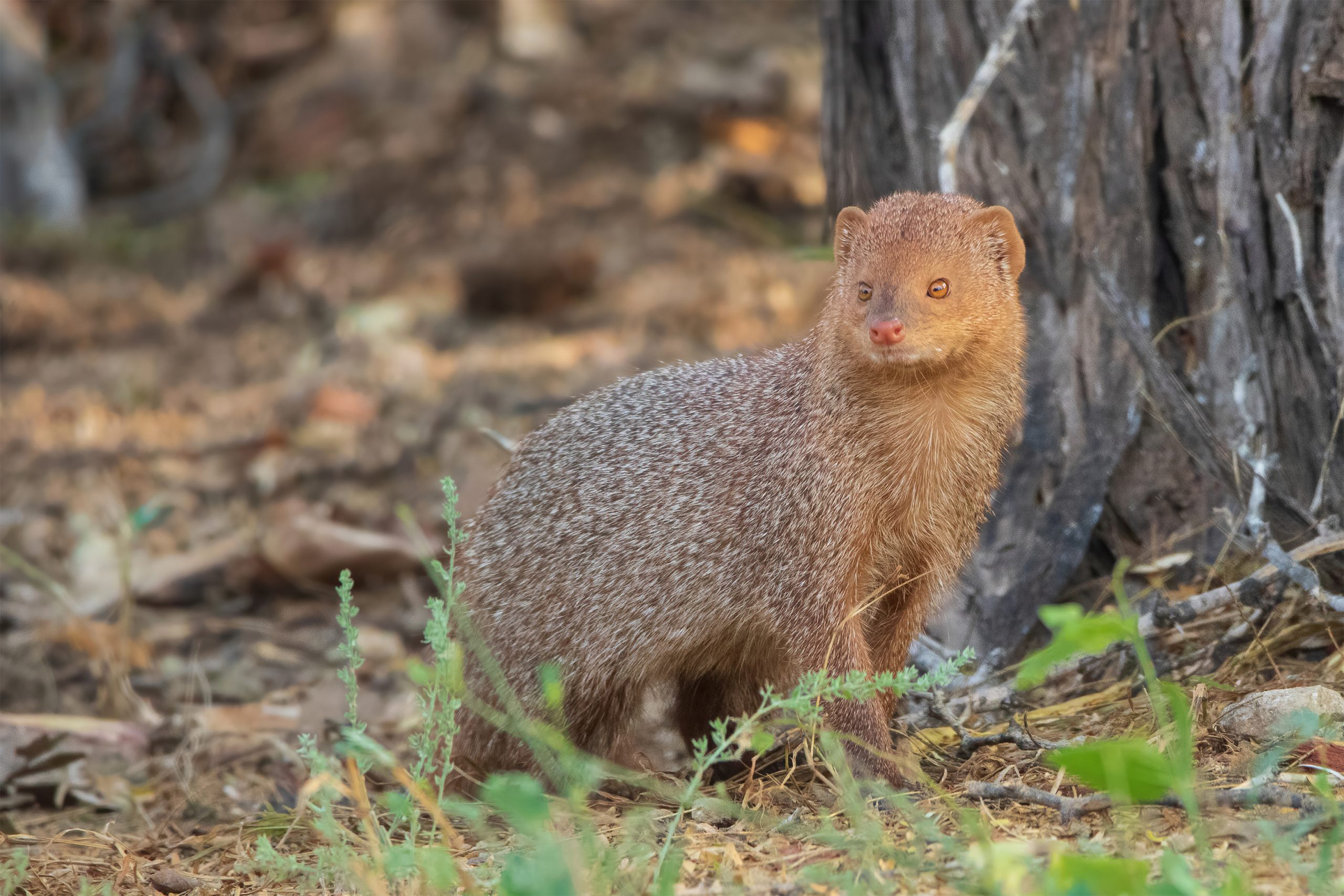
11 SPECIES
MAMMALS
Mangrove-associated mammals including predators and small coastal fauna.
Explore →
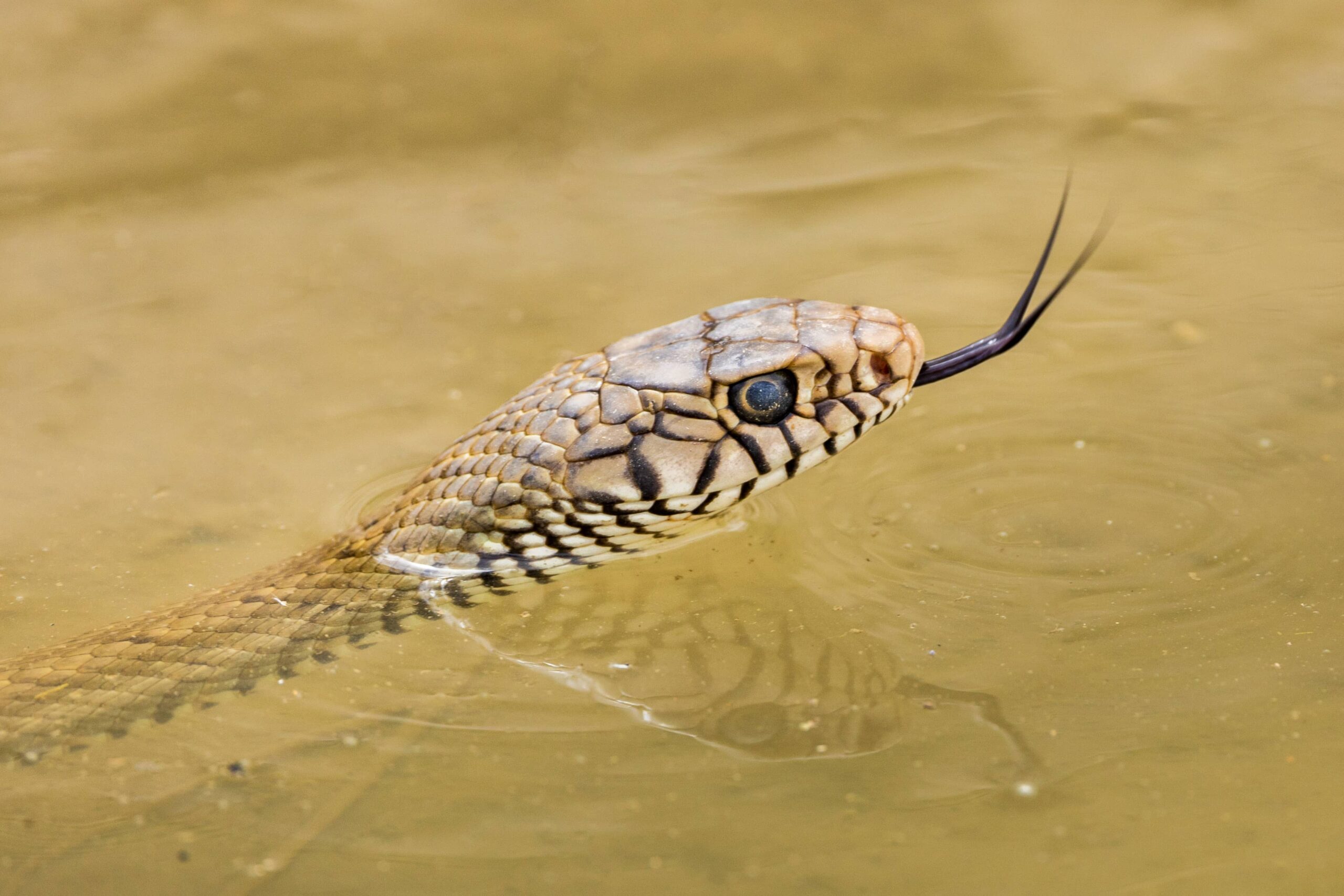
9 SPECIES
REPTILES
Snakes, lizards and other reptiles adapted to tidal environments.
Explore →
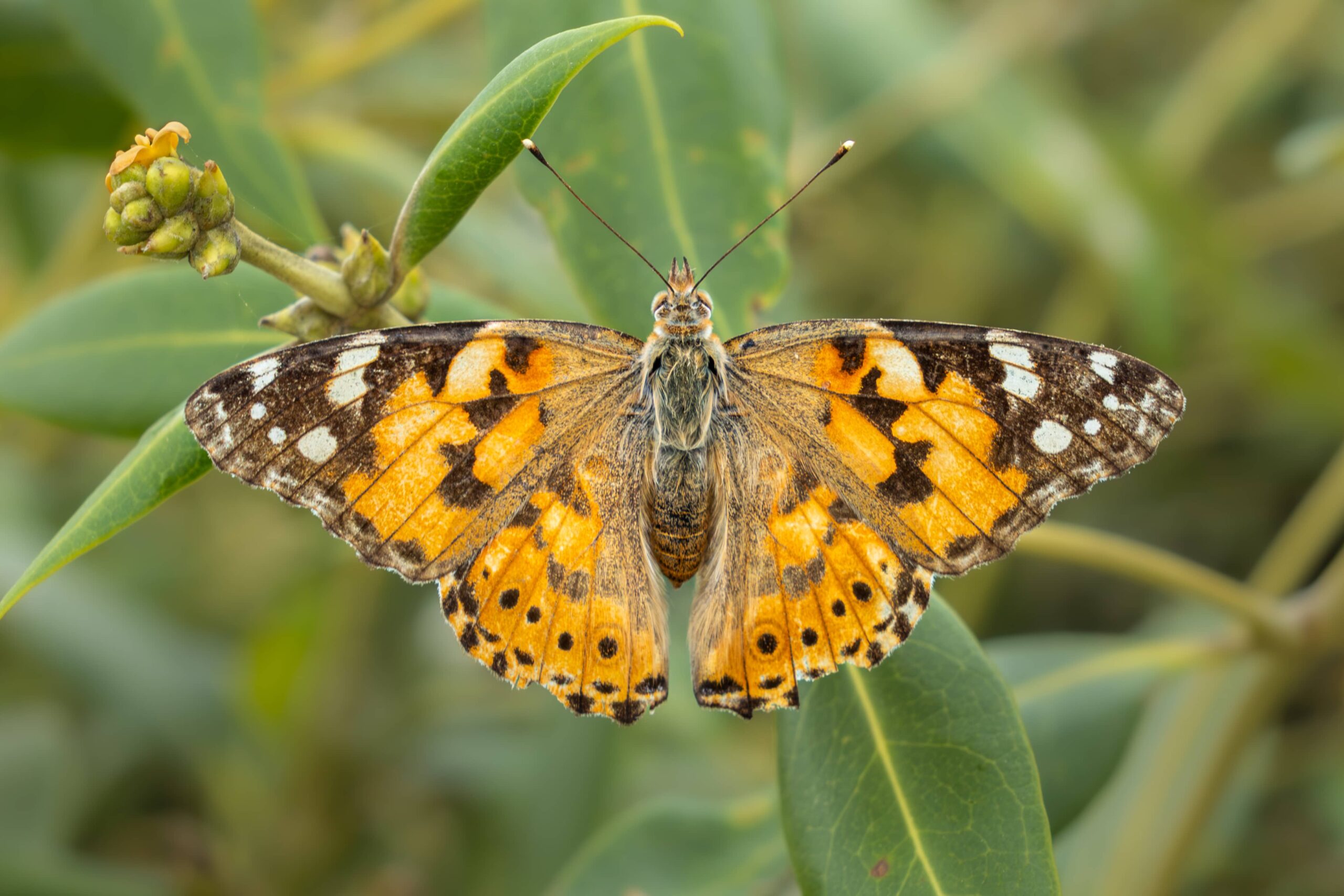
4 SPECIES
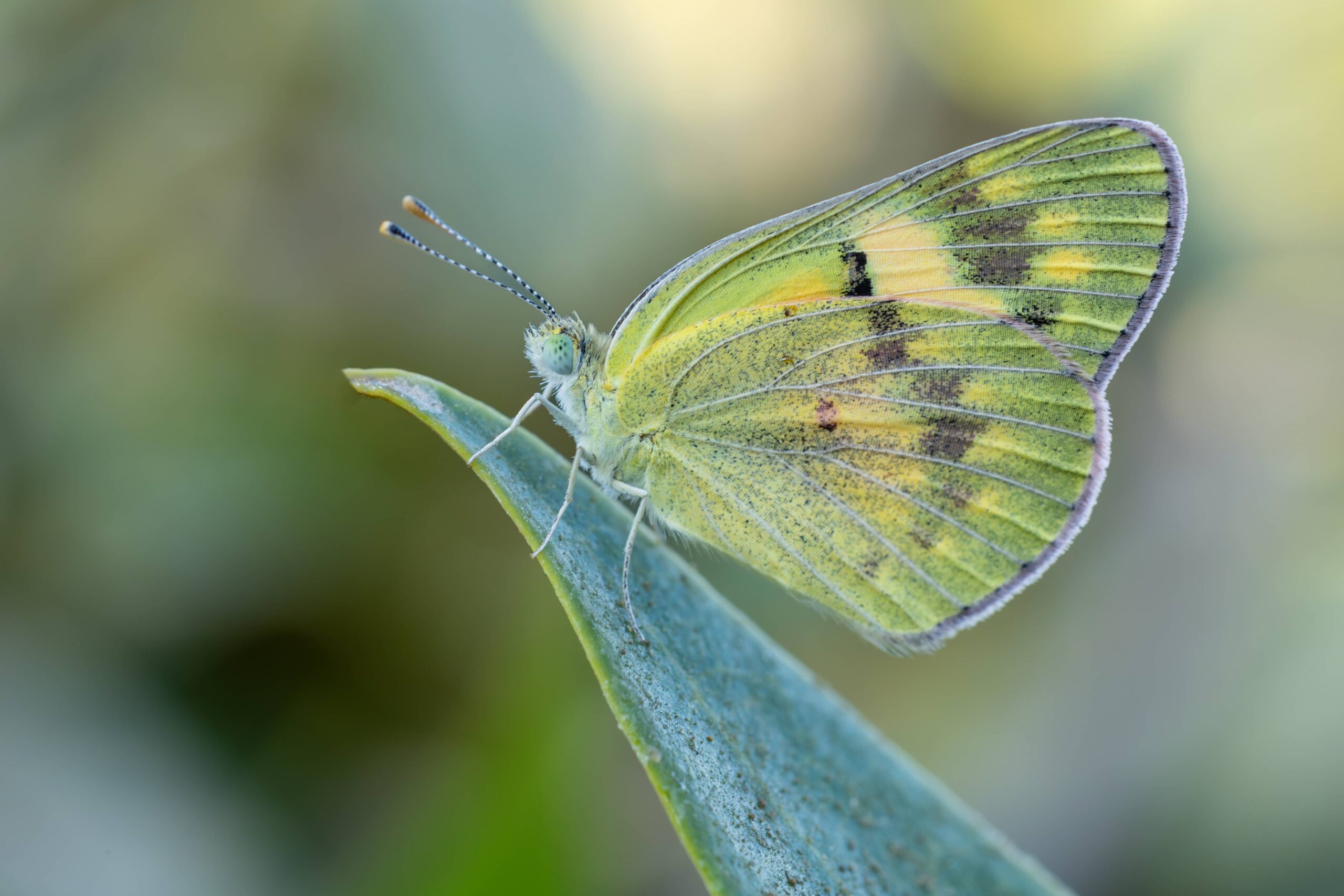
BUTTERFLIES
Important pollinators contributing to ecological resilience.
Explore →
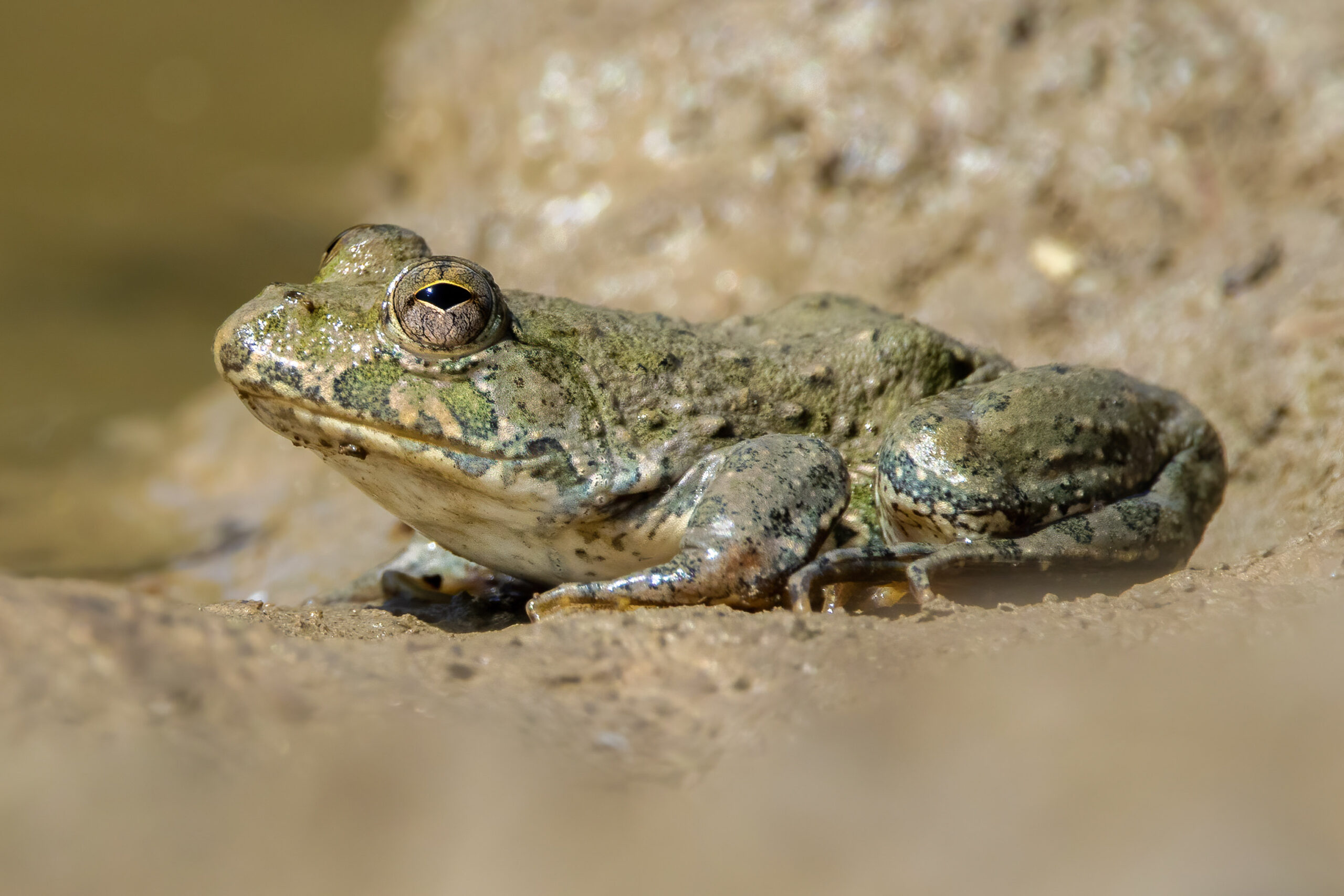
2 SPECIES
AMPHIBIANS
Sensitive indicators of freshwater and wetland ecosystem health.
Explore →
CONSERVATION INTERVENTIONS
Our conservation approach addresses the key challenges affecting biodiversity across the Indus Delta, including habitat degradation, species threats, unsustainable resource use, and the need for stronger ecological knowledge and community involvement.
At Delta Blue Carbon, we are committed to protecting and restoring the biodiversity of the Indus Delta through integrated conservation strategies. Our approach combines habitat restoration, wildlife protection, sustainable resource management, and community collaboration to support a resilient ecosystem.
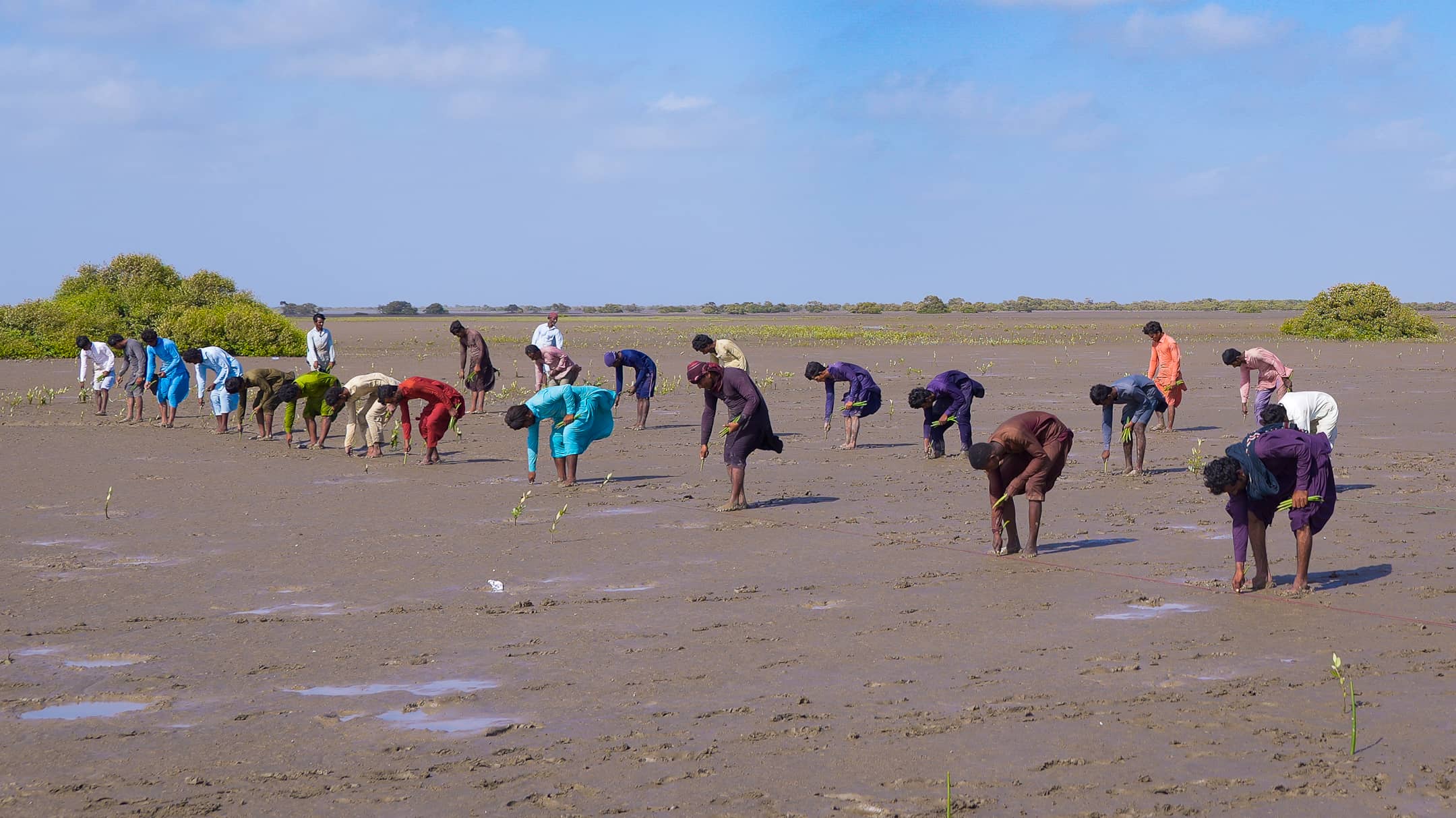
Habitat Restoration & Protection
The first line of defense against biodiversity loss is preventing further habitat destruction while systematically restoring degraded areas.
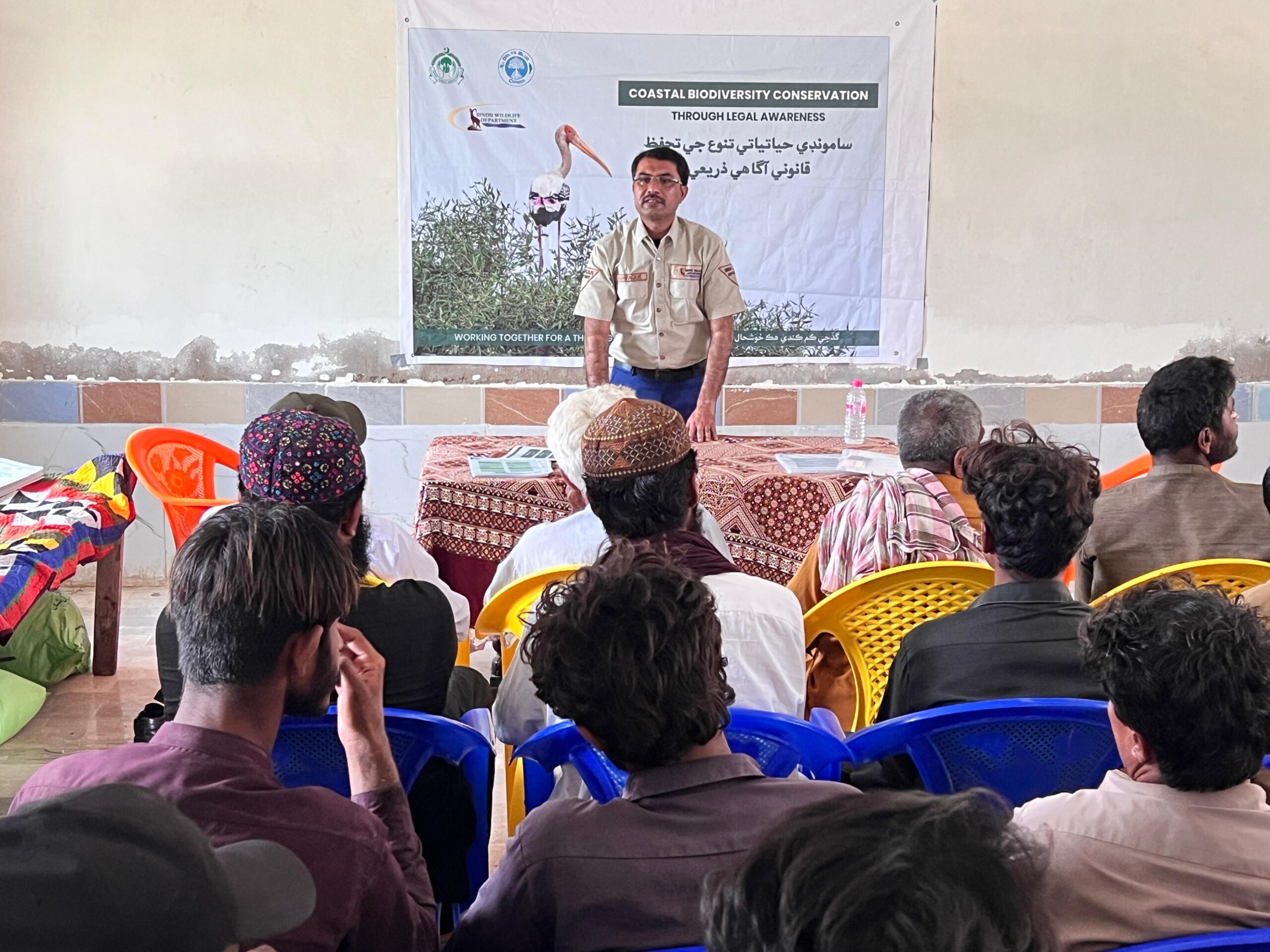
Wildlife Protection & Enforcement
Protecting wildlife through conservation actions, habitat protection, and responsible enforcement to safeguard resident and migratory species of the Indus Delta.
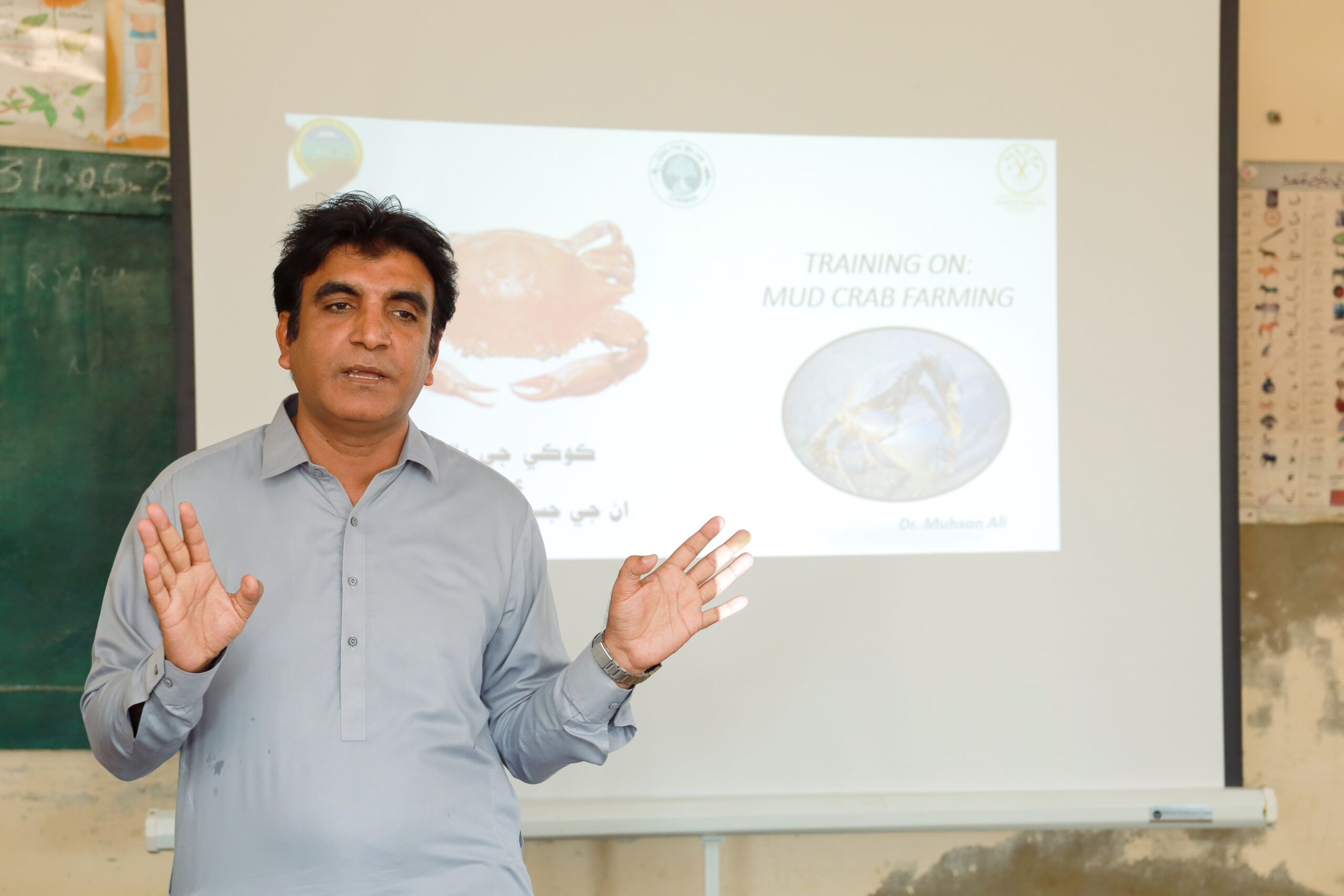
Sustainable Resource Management
Promoting sustainable use of natural resources supports ecological balance while maintaining the benefits that coastal ecosystems provide to local communities.
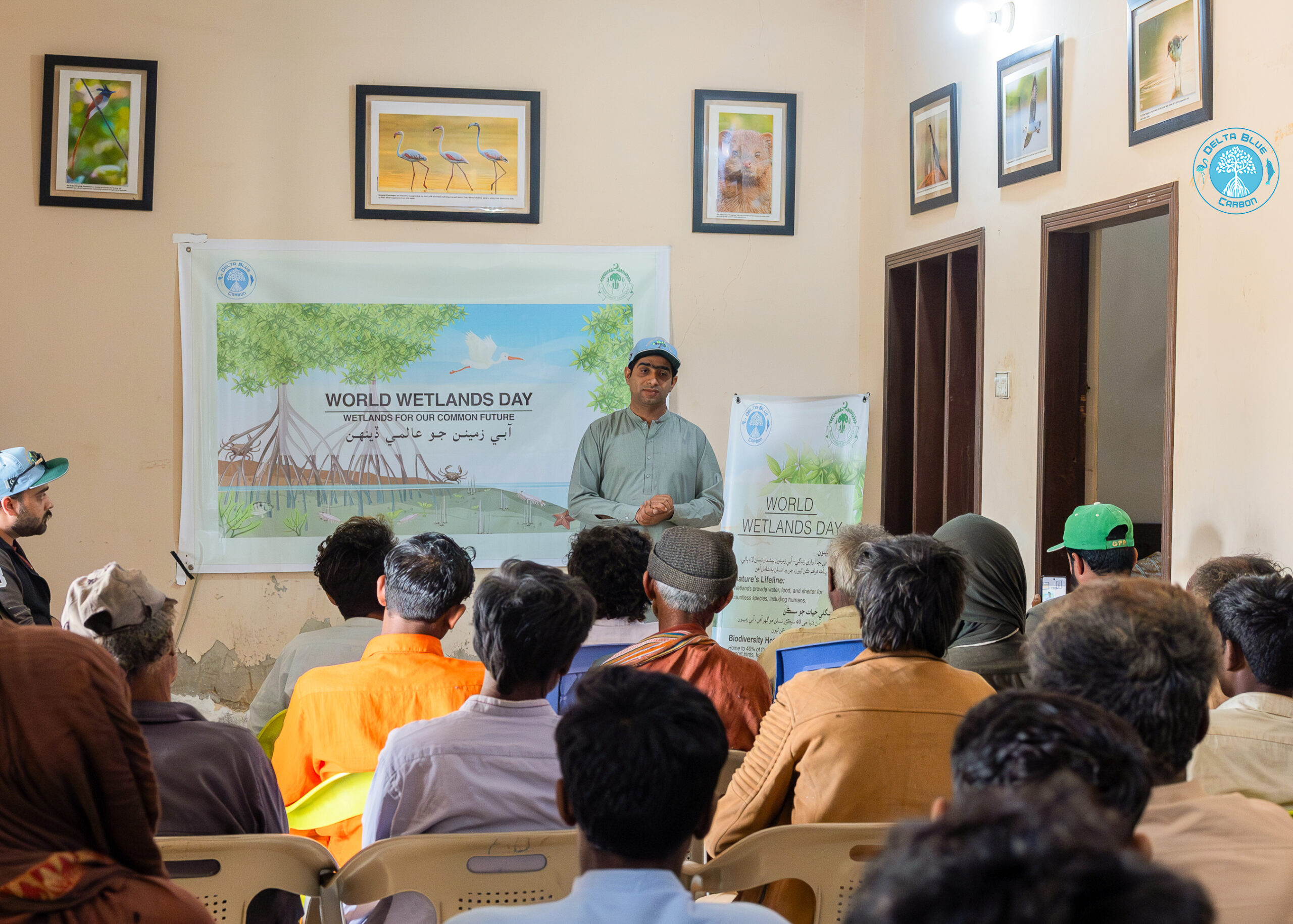
Community Engagement & Capacity Building
Delta Blue Carbon empowers coastal communities to become active partners in conservation through training, awareness, and capacity building.
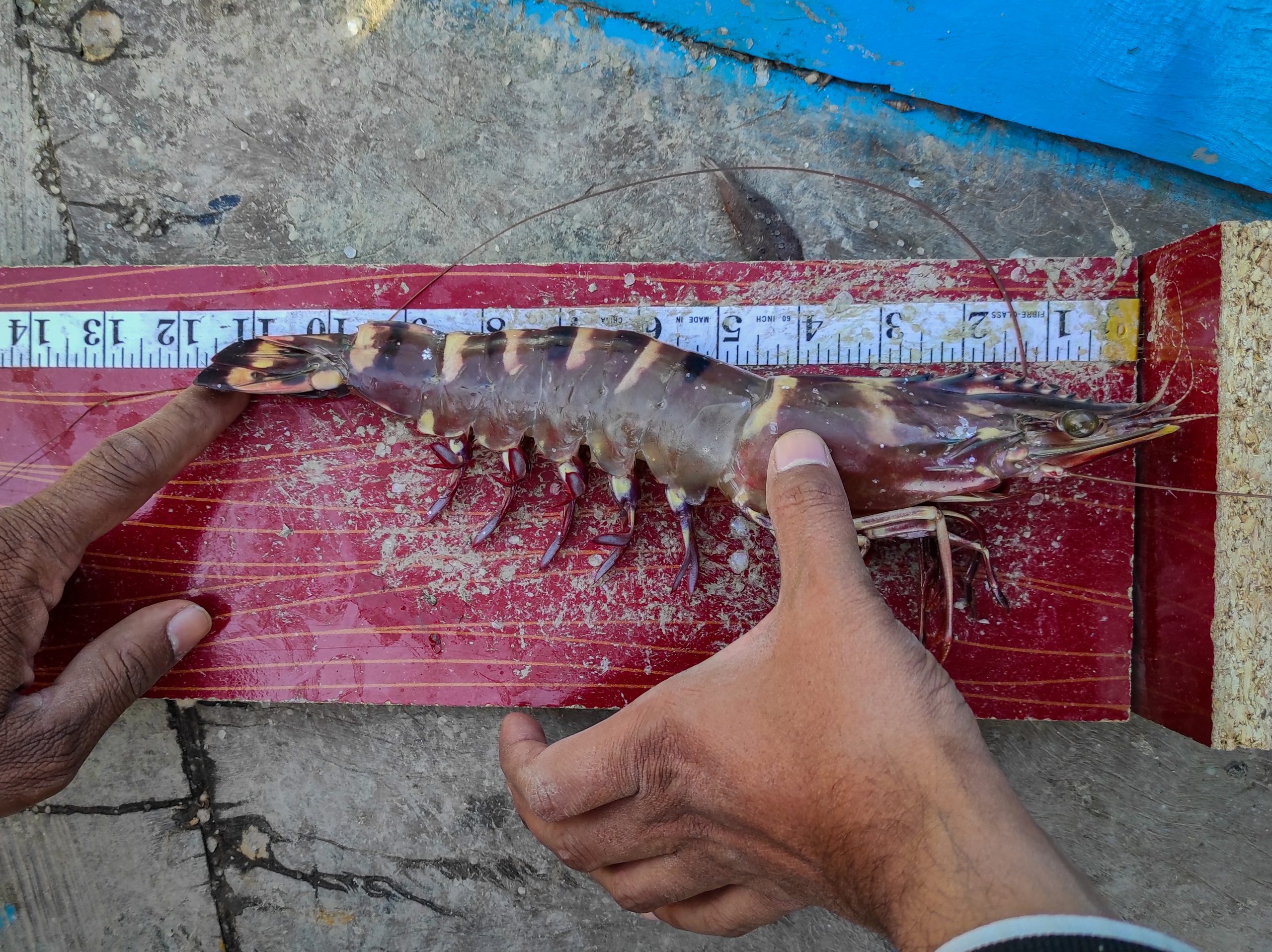
Biodiversity Monitoring & Assessment
Systematic monitoring of species populations, habitat conditions, and ecosystem health provides the evidence base for adaptive management and reveals emerging threats.
Species of Conservation Significance
Threatened Wildlife of the Indus Delta
Biodiversity conservation and restoration work across the Indus Delta has made our project area a critical refuge for 20 globally threatened species. From Endangered eagles wintering on our coastal plains to Vulnerable wading birds refuelling on our mudflats, every individual recorded here is a measure of what active conservation makes possible.
0
ALL SPECIES
0
ENDANGERED
0
VULNERABLE
0
NEAR THREATENED
‹
›
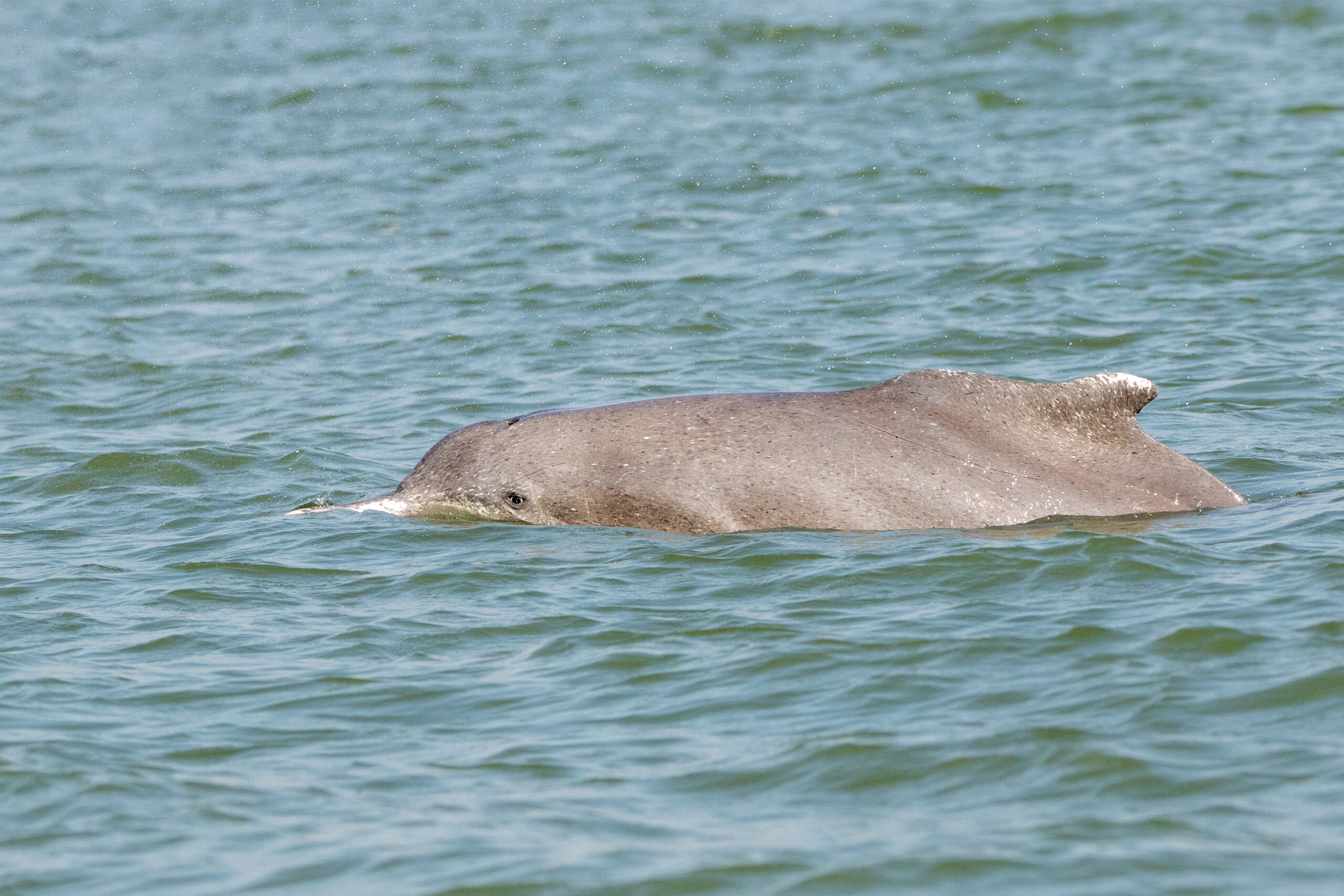 Endangered
Indian Ocean Humpback Dolphin
Sousa plumbeaOur flagship species and the most significant marine mammal recorded in the project area.
 Endangered
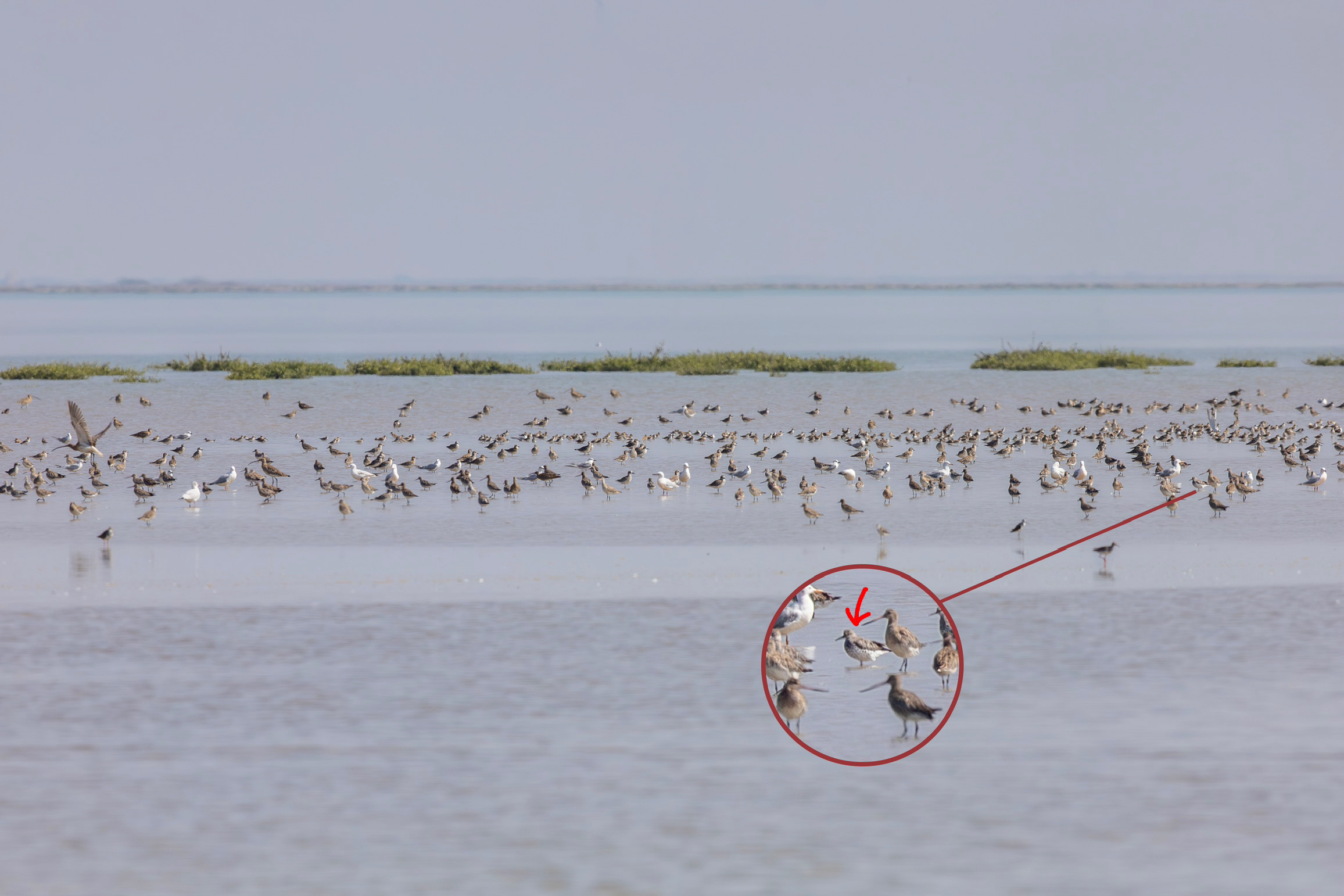
Great Knot
Calidris tenuirostrisA globally threatened migratory shorebird, representing the first confirmed photographic record of this species from the DBC-1 Project area and Pakistan.
 Endangered
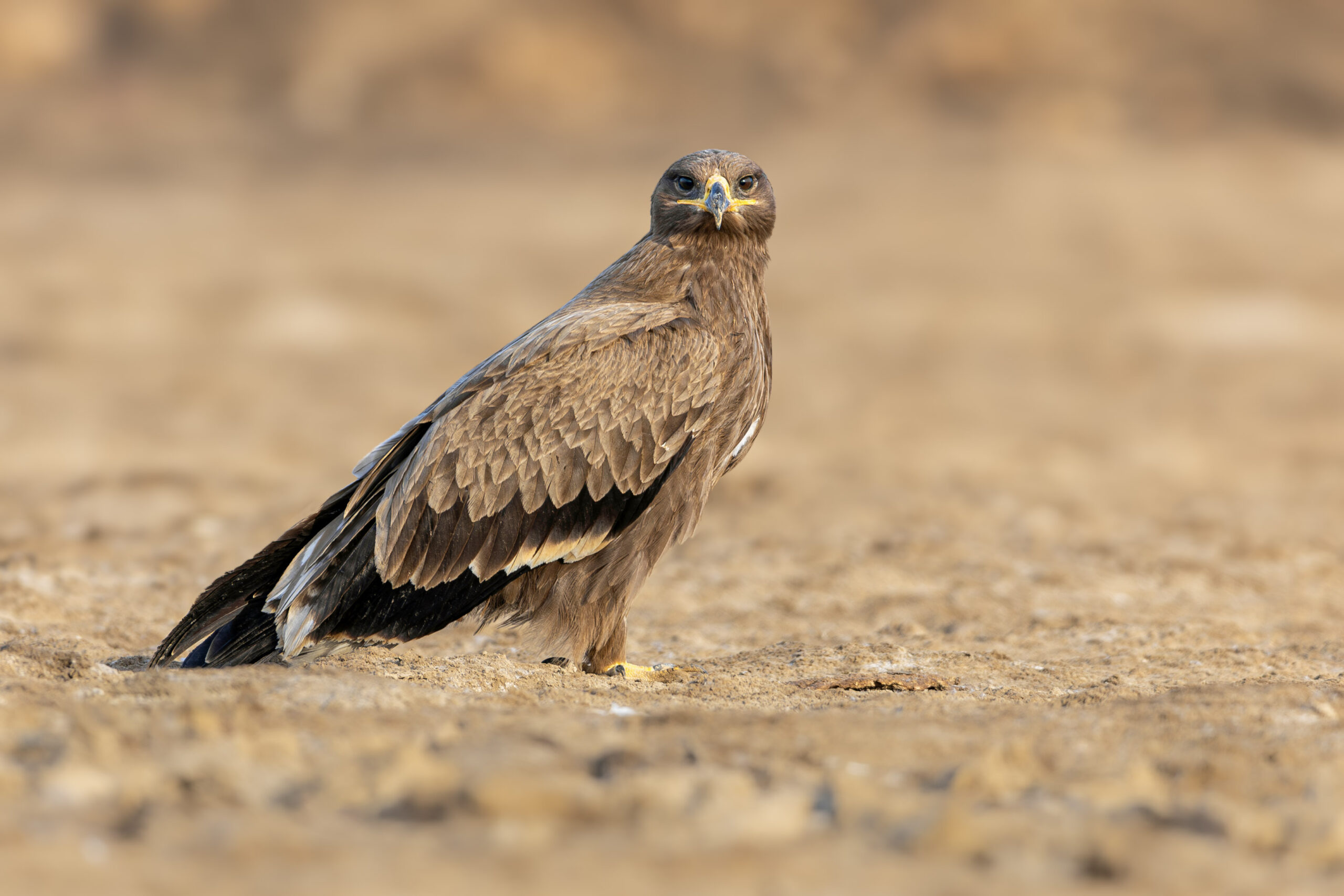
Steppe Eagle
Aquila nipalensisA powerful migratory eagle wintering in the delta after breeding across the steppes of Central Asia and Mongolia.
 Endangered
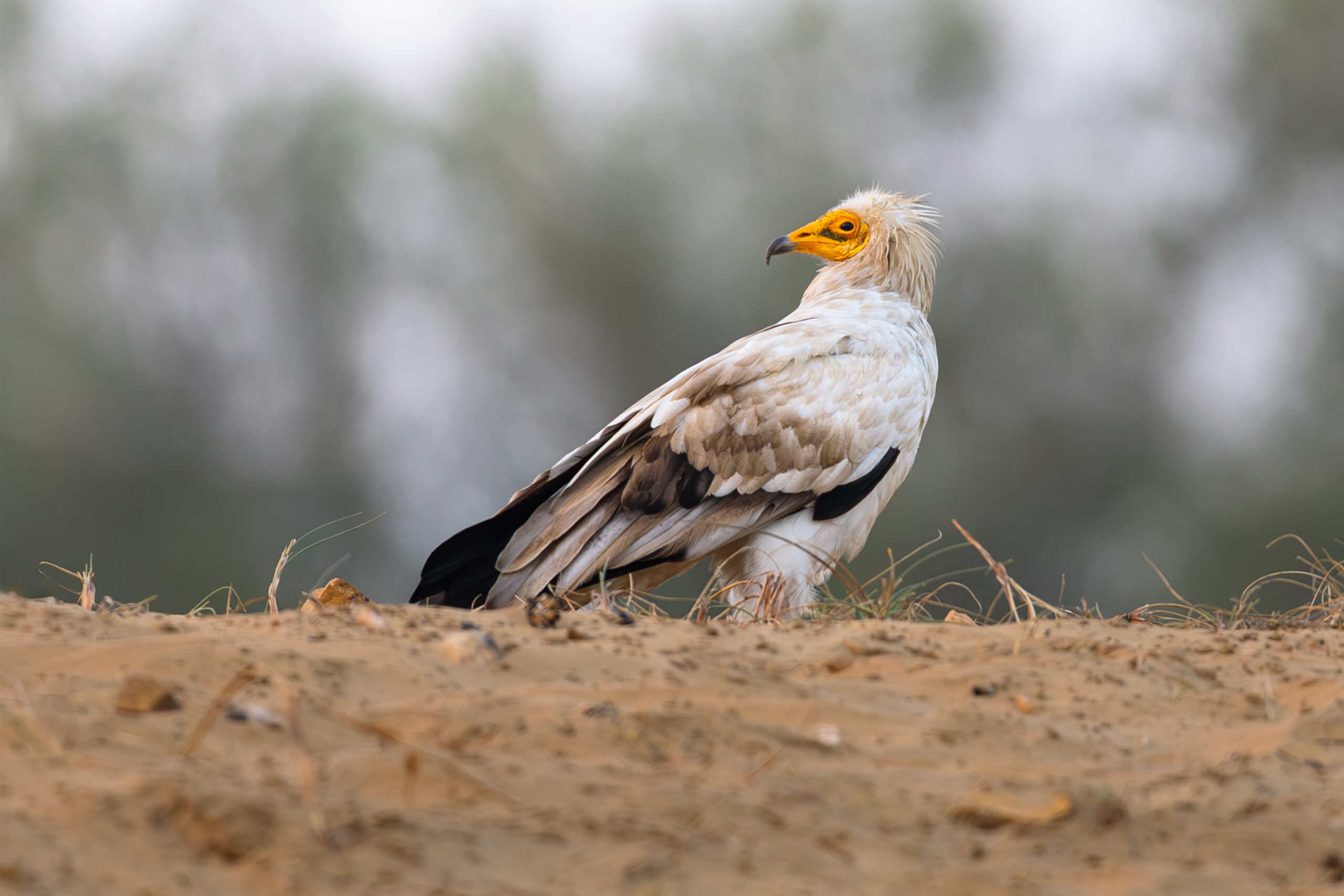
Egyptian Vulture
Neophron percnopterusOne of the world's most threatened raptors, playing a vital role in ecosystem sanitation by consuming carrion.
 Vulnerable
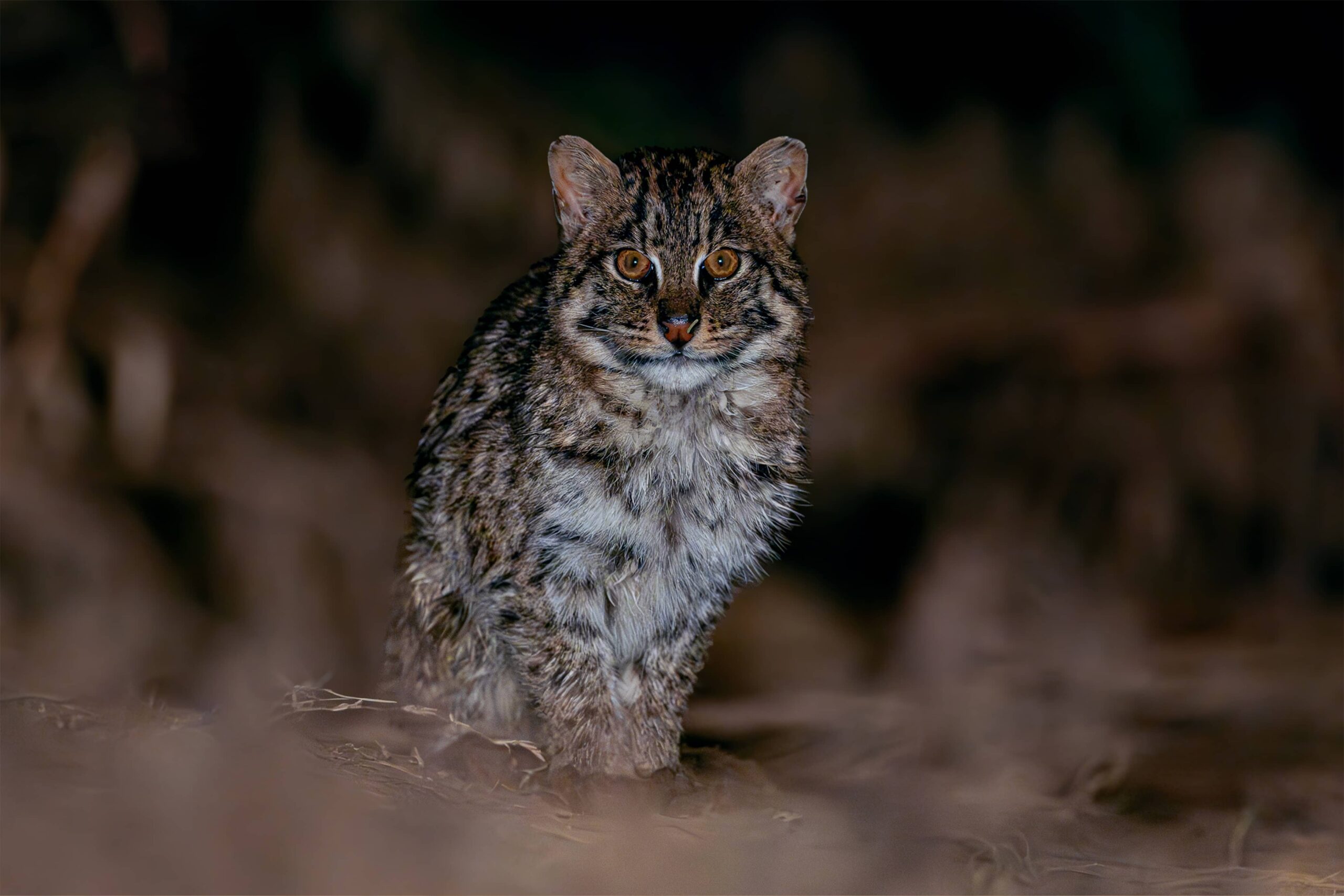
Fishing Cat
Prionailurus viverrinusA rare and elusive wetland-dependent mammal in our project area, rarely encountered due to its secretive nature.
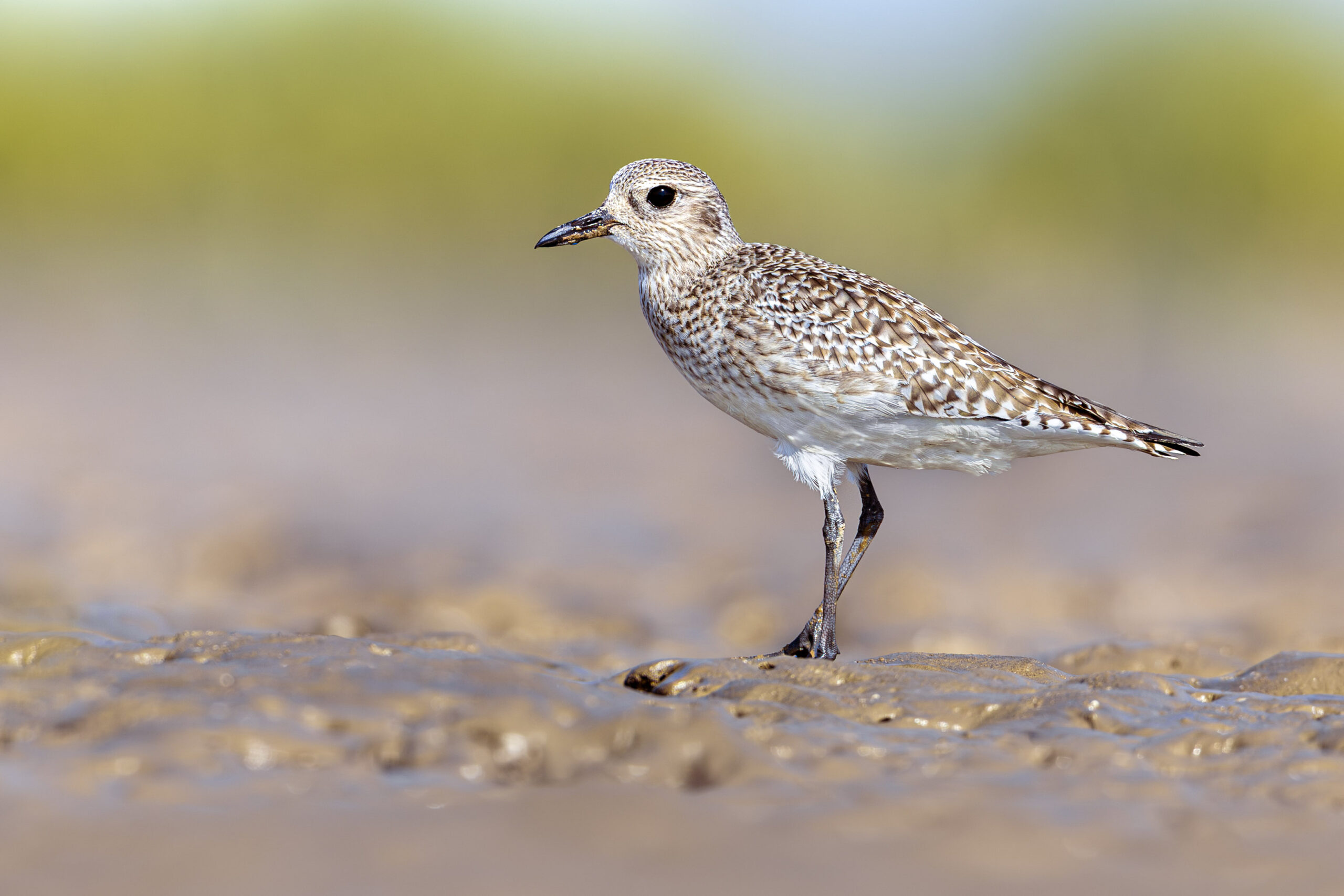 Vulnerable
Black-bellied Plover
Pluvialis squatarolaMigratory shorebird relying on coastal wetlands and mudflats as important feeding and stopover habitats along migration routes.
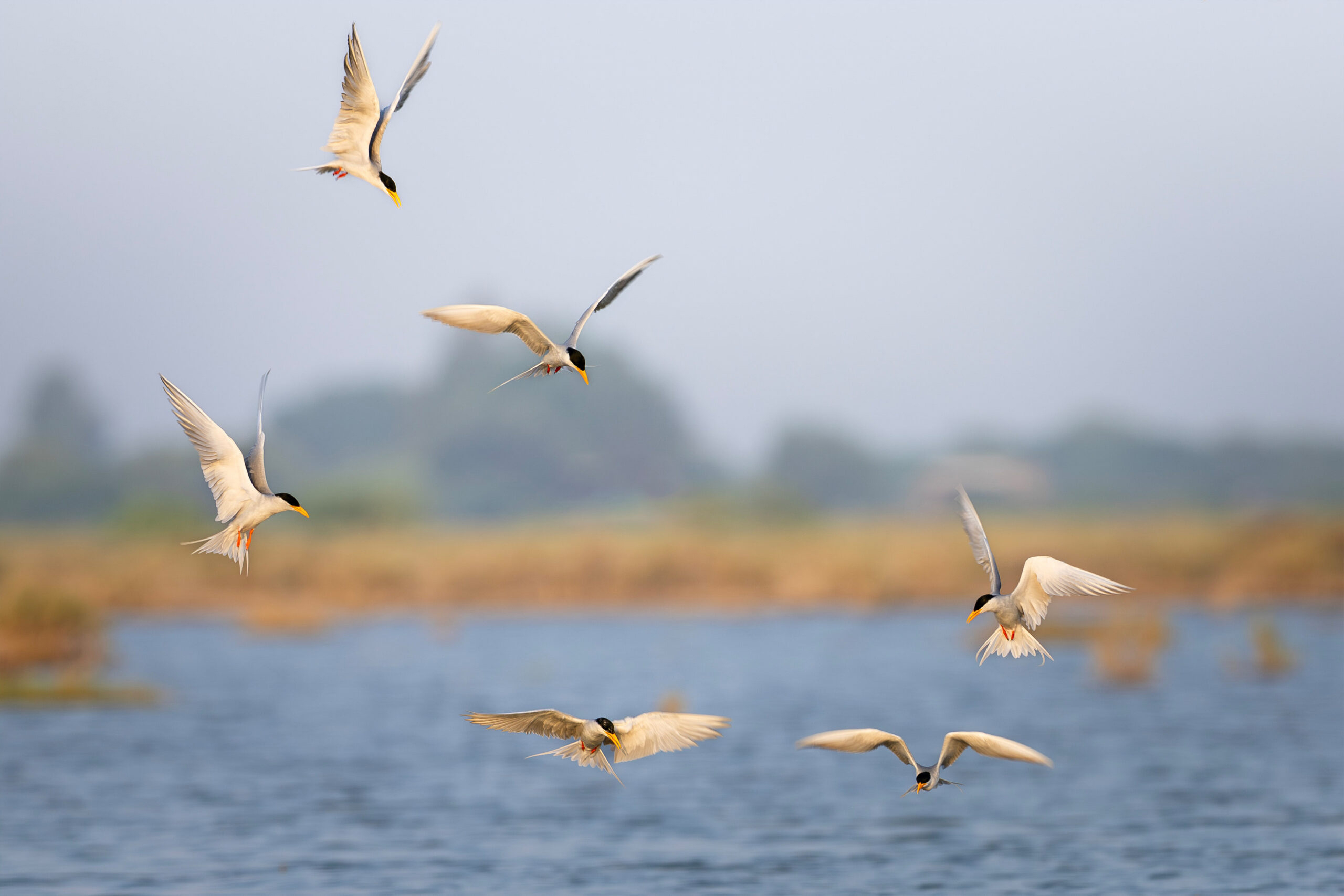 Vulnerable
River Tern
Sterna aurantiaA waterbird in rapid decline across South Asia due to river development and disturbance of nesting colonies.
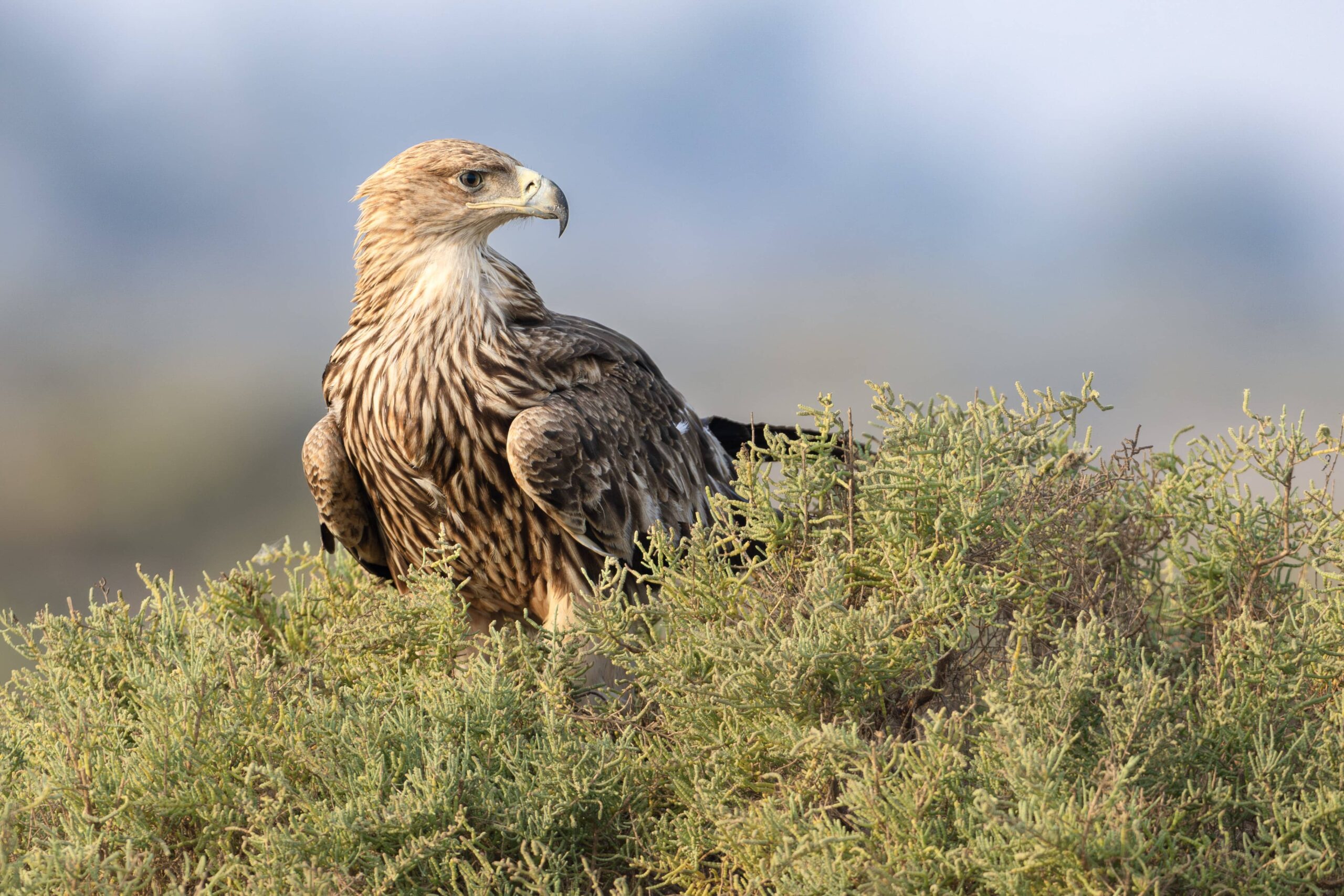 Vulnerable
Eastern Imperial Eagle
Aquila heliacaGlobally threatened and one of the largest raptors visiting Pakistan during winters.
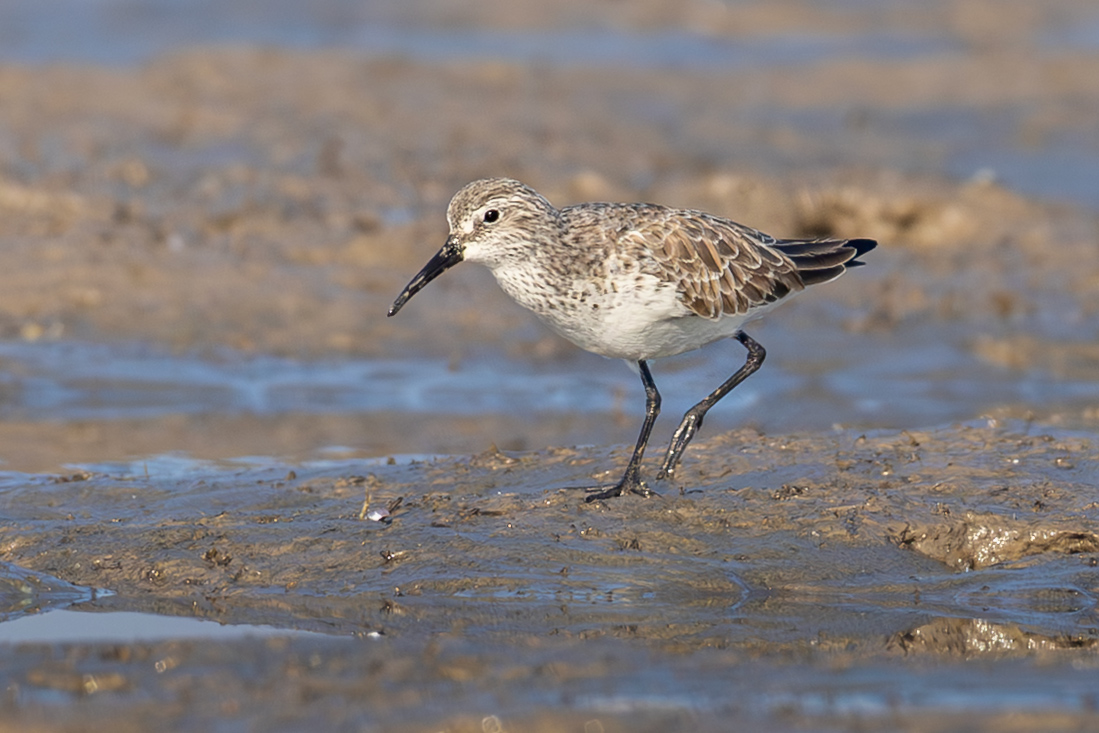 Vulnerable
Curlew Sandpiper
Calidris ferrugineaA long-distance Arctic migrant relying on our intertidal mudflats as a critical refuelling stop along the Central Asian Flyway.
 Vulnerable
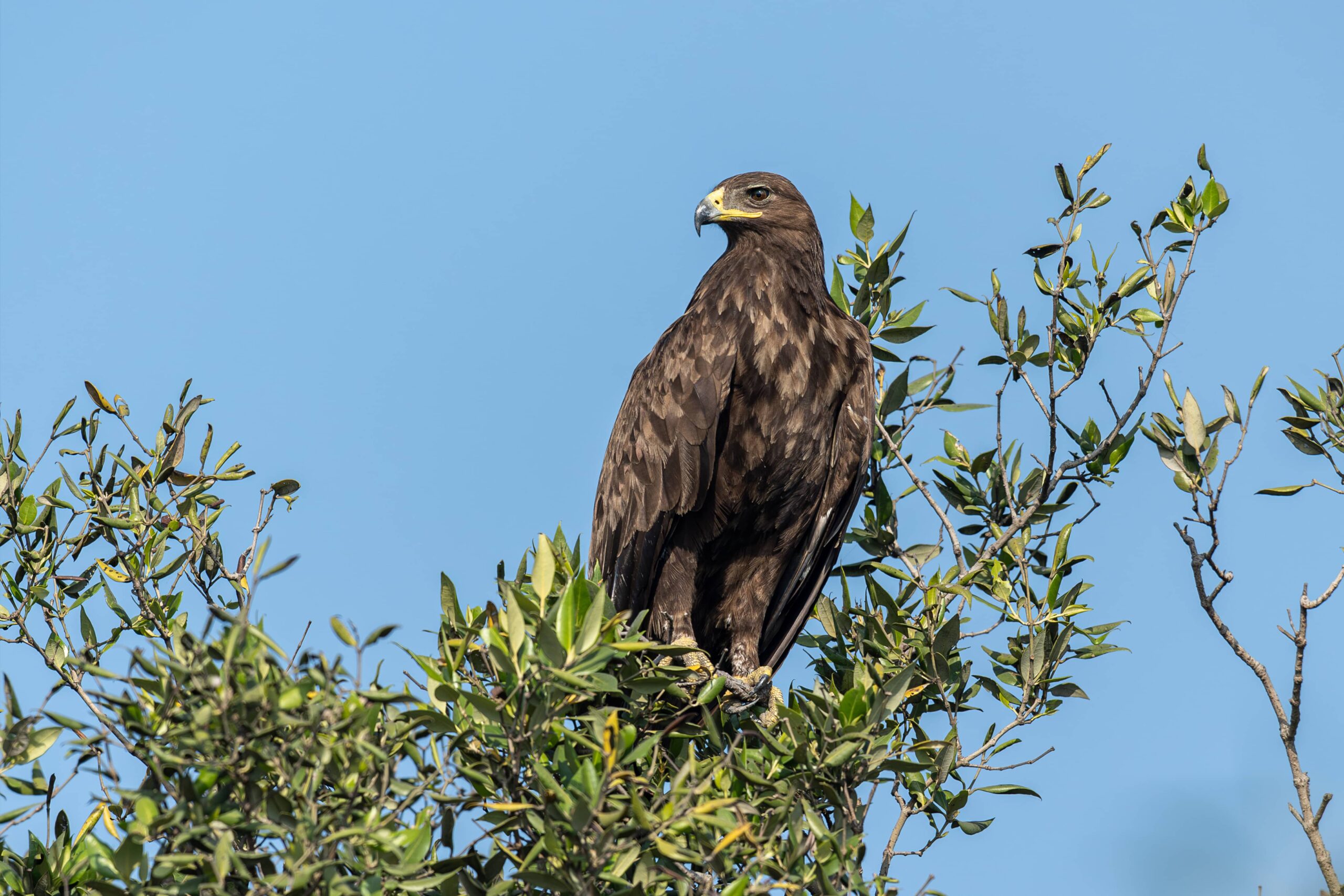
Greater Spotted Eagle
Clanga clangaLarge migratory raptor, often seen soaring or perched near water bodies during wintering season.
 Near Threatened
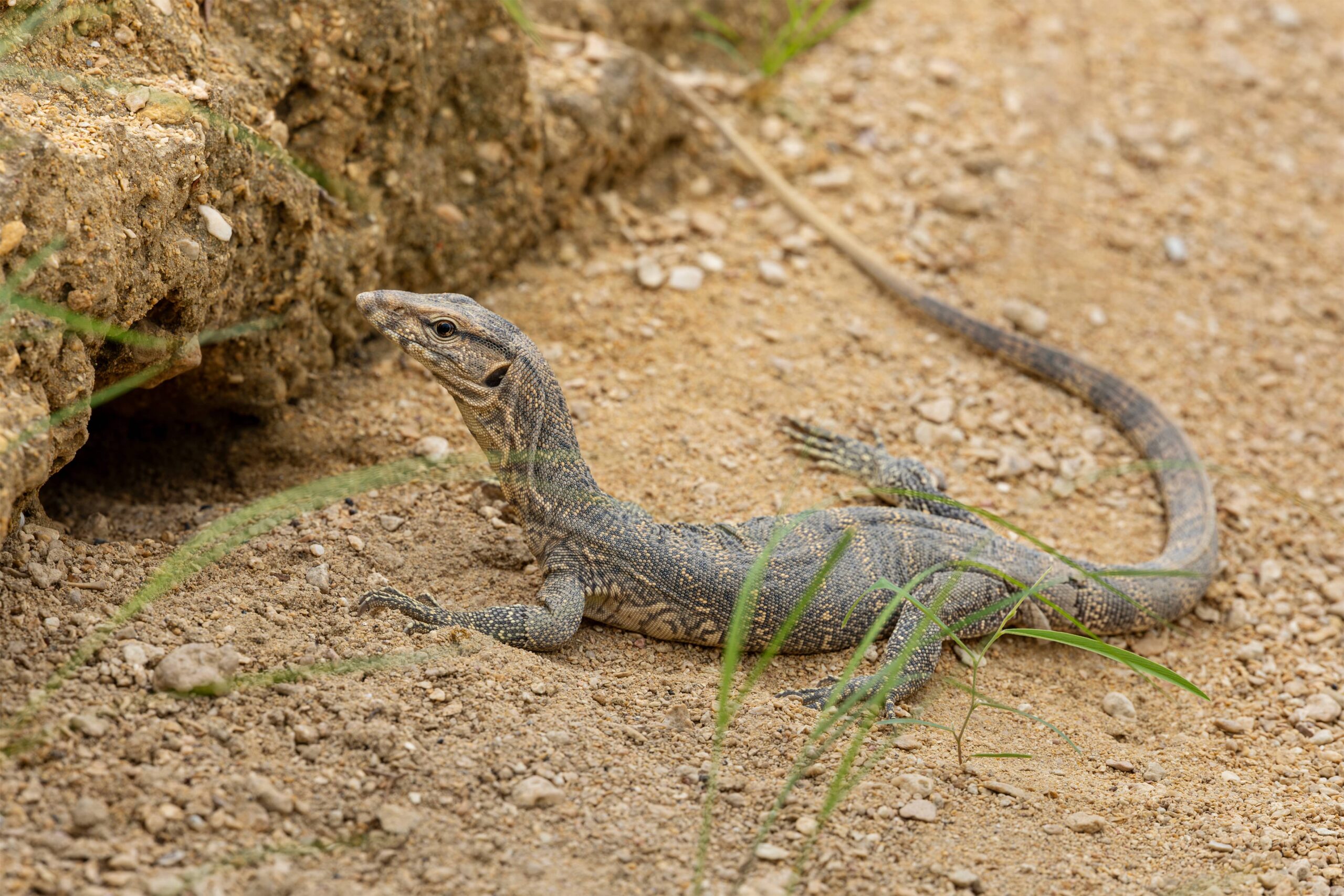
Bengal Monitor Lizard
Varanus bengalensisThe largest reptile in the project area and an apex predator of mangrove margins and sandy shores.
 Near Threatened
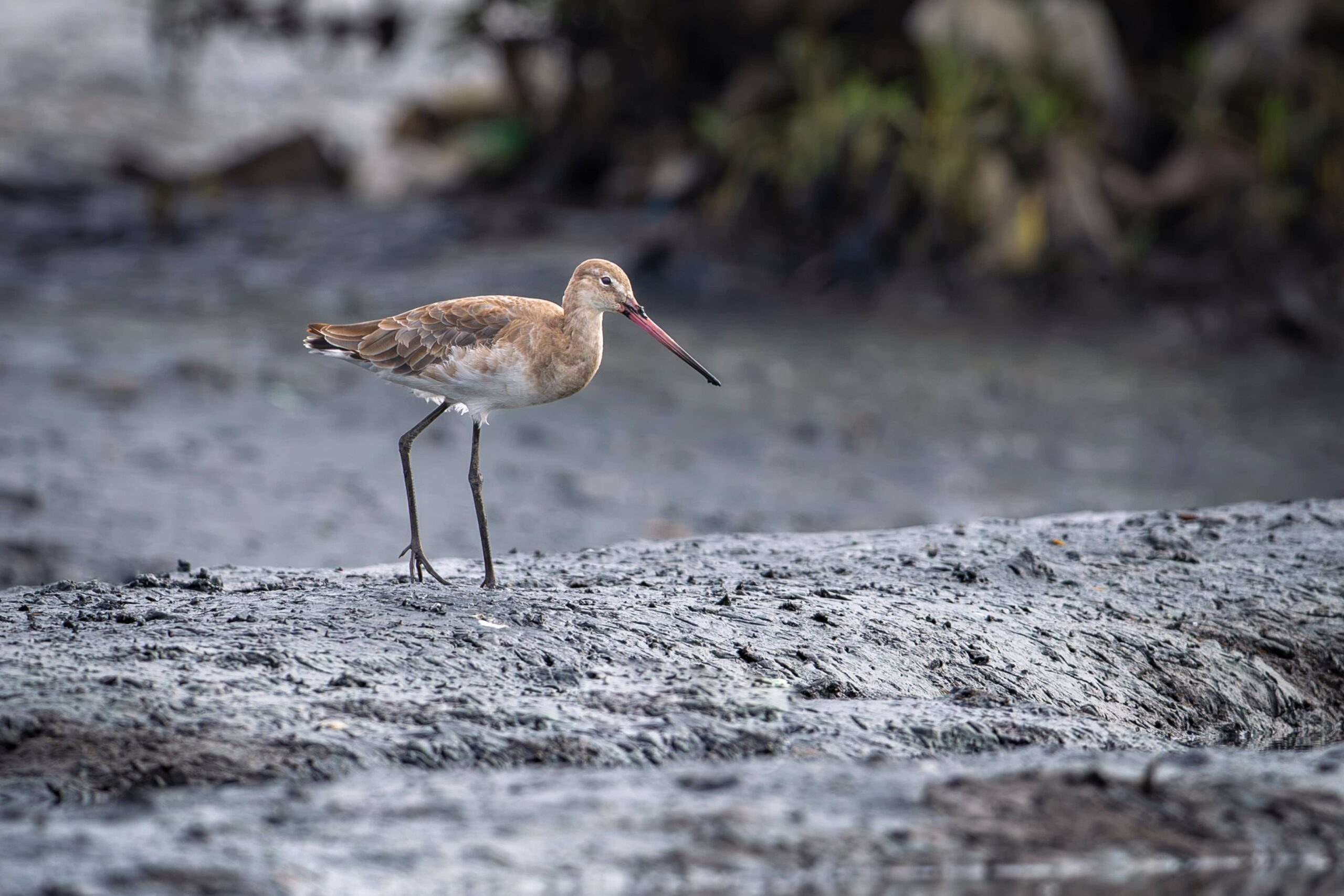
Black-tailed Godwit
Limosa limosaLong-distance migratory shorebird relying on wetlands and mudflats as important feeding and resting habitats during migration.
 Near Threatened
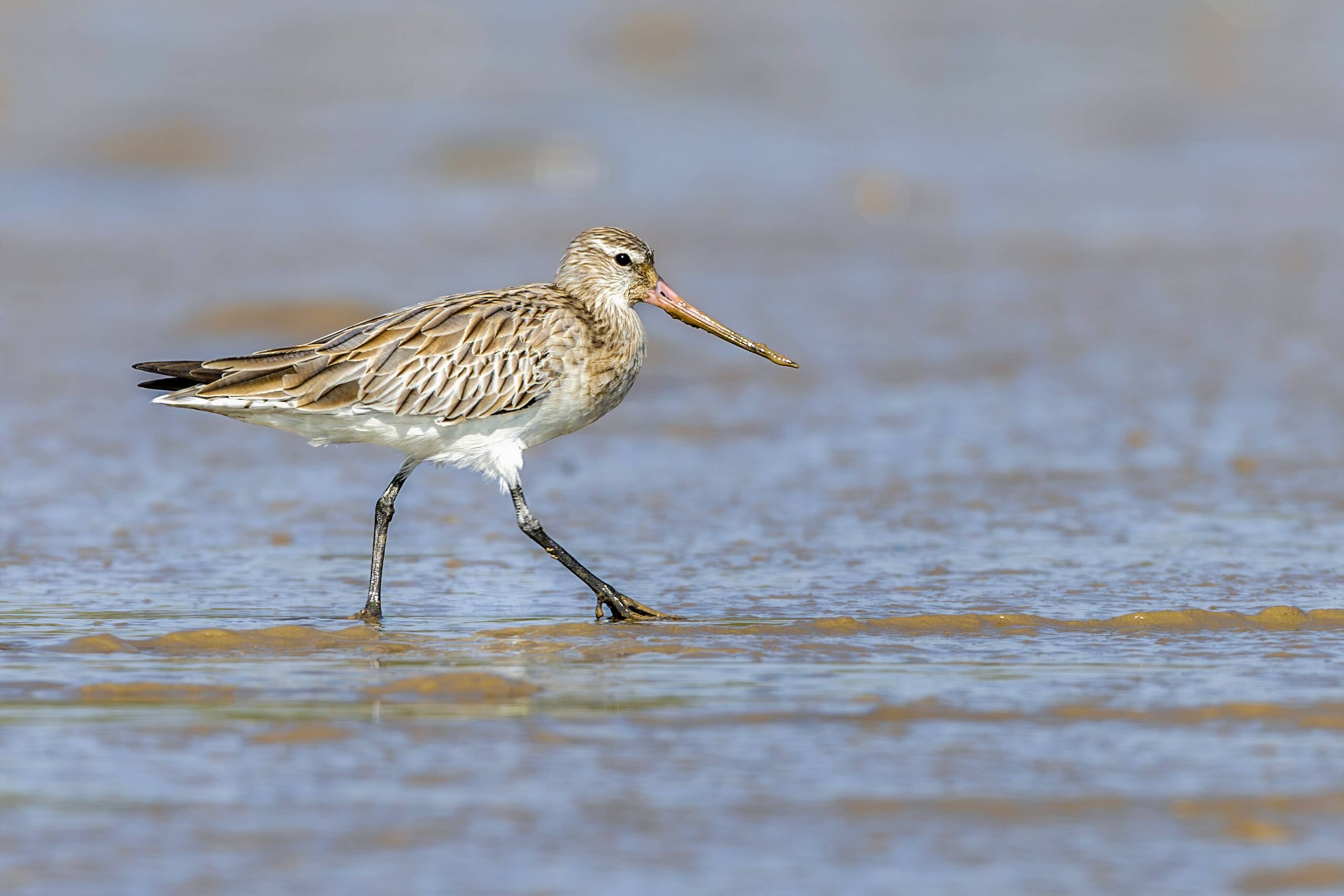
Bar-tailed Godwit
Limosa lapponicaHolder of the world record for the longest non-stop migratory flight, over 12,000 km. Relies on the delta's mudflats as a key staging area.
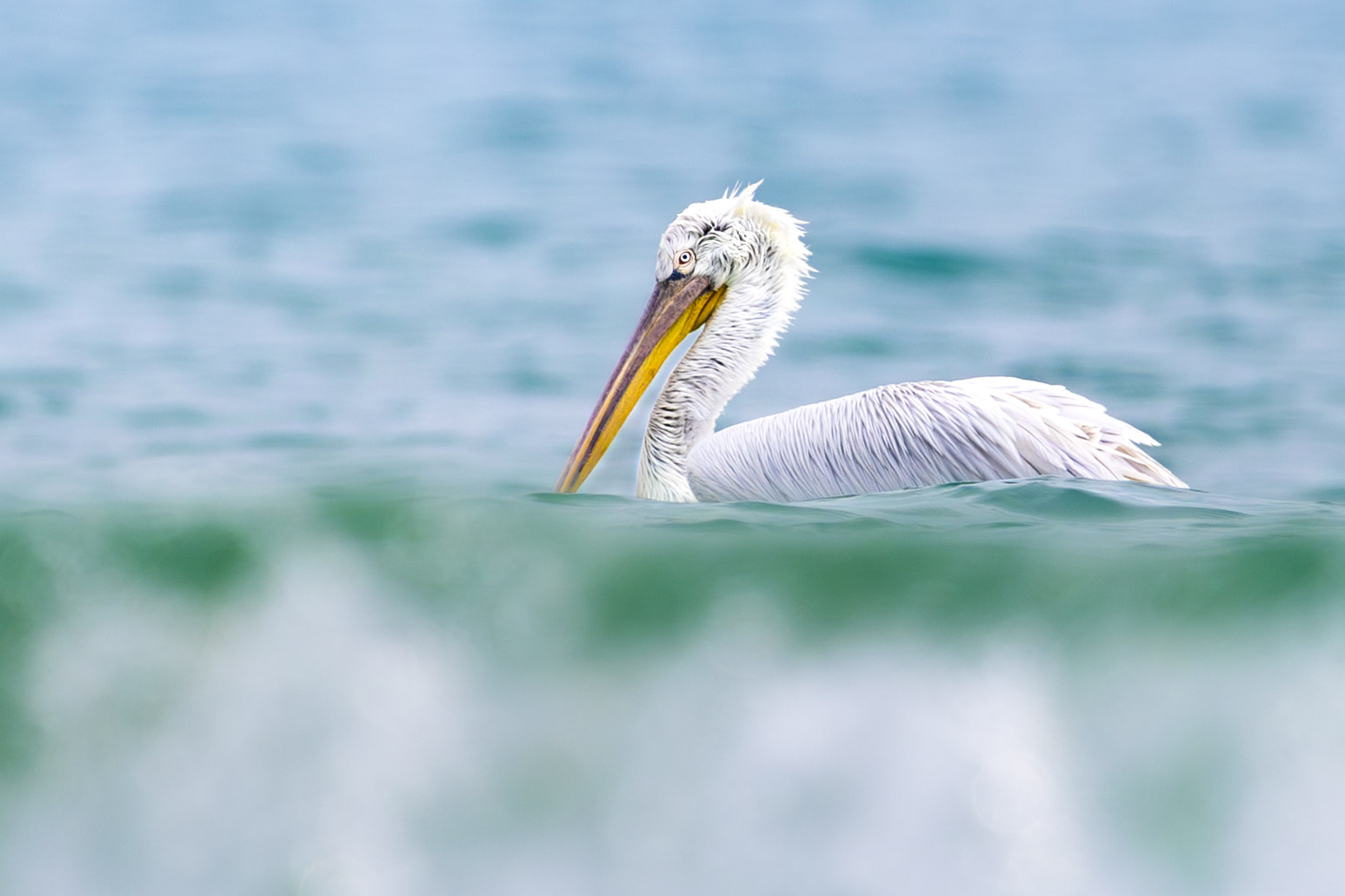 Near Threatened
Dalmatian Pelican
Pelecanus crispusLarge migratory waterbird using wetlands, lakes, and coastal areas for feeding and resting during seasonal movements.
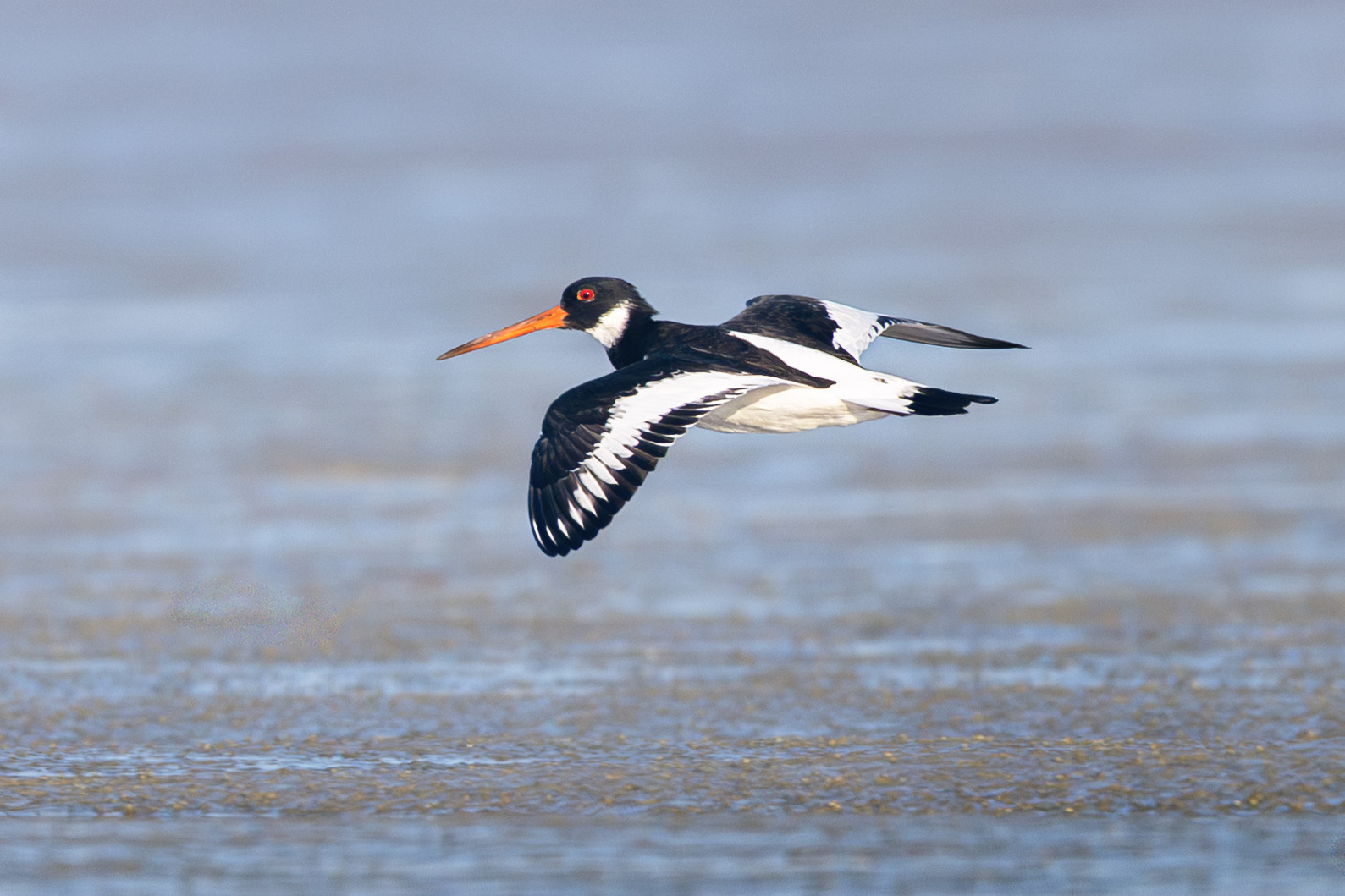 Near Threatened
Eurasian Oystercatcher
Haematopus ostralegusA striking black-and-white shorebird specialising in prying open bivalves and mollusks.
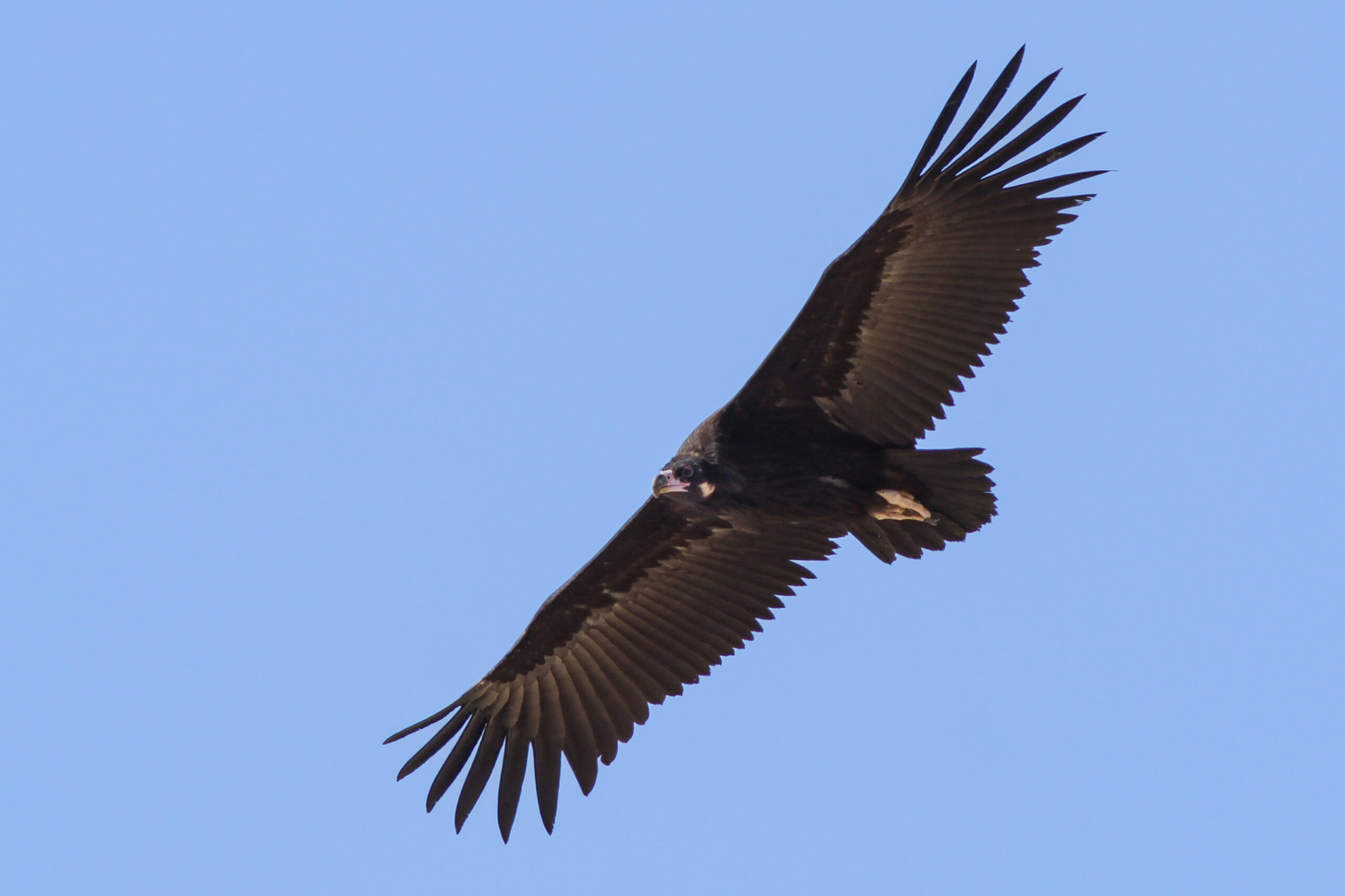 Near Threatened
Cinereous Vulture
Aegypius monachusThe world's largest Old World vulture, with a wingspan exceeding 2.5 metres.
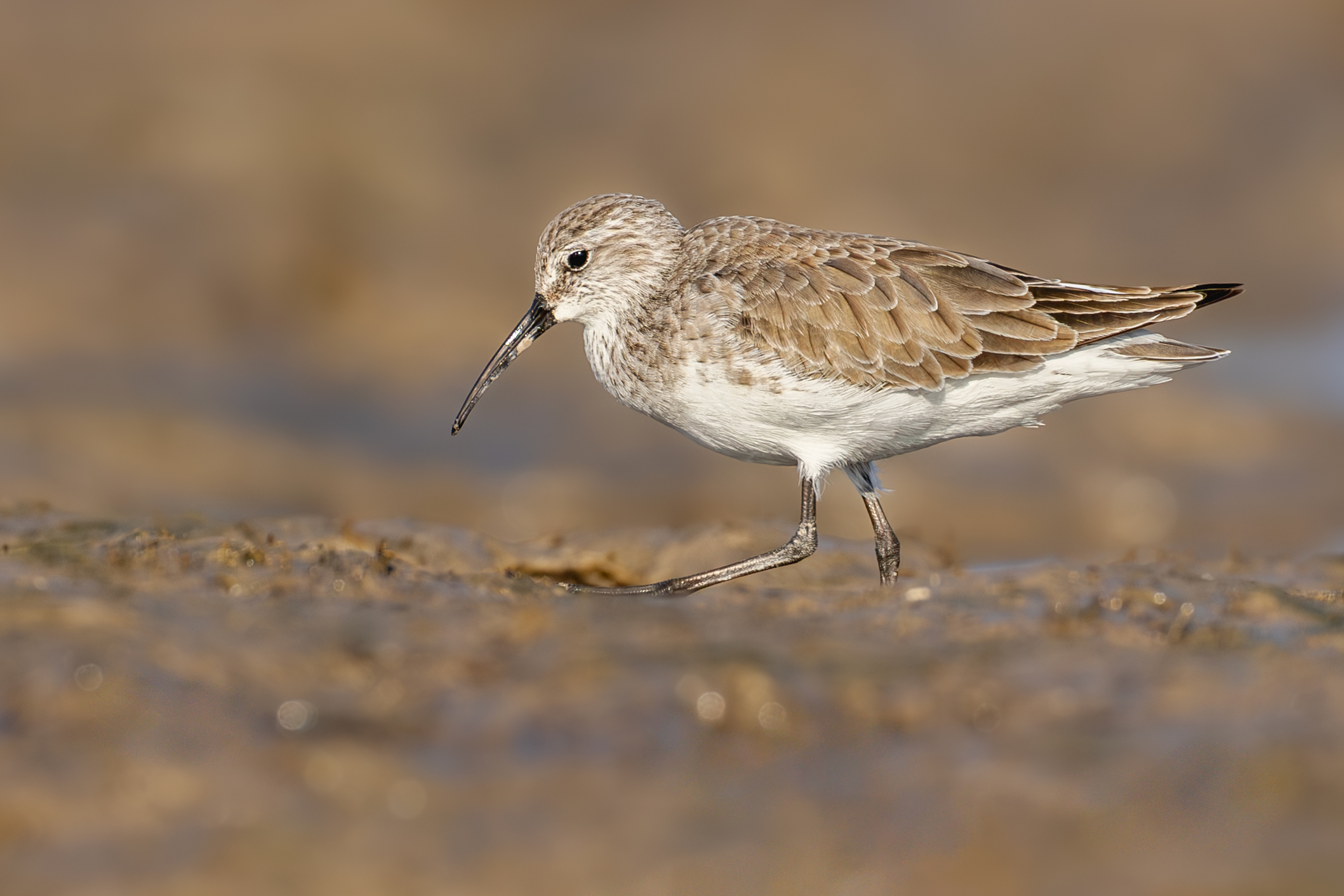 Near Threatened
Dunlin
Calidris alpinaA compact Arctic migrant arriving in large flocks each winter along the Central Asian Flyway.
 Near Threatened
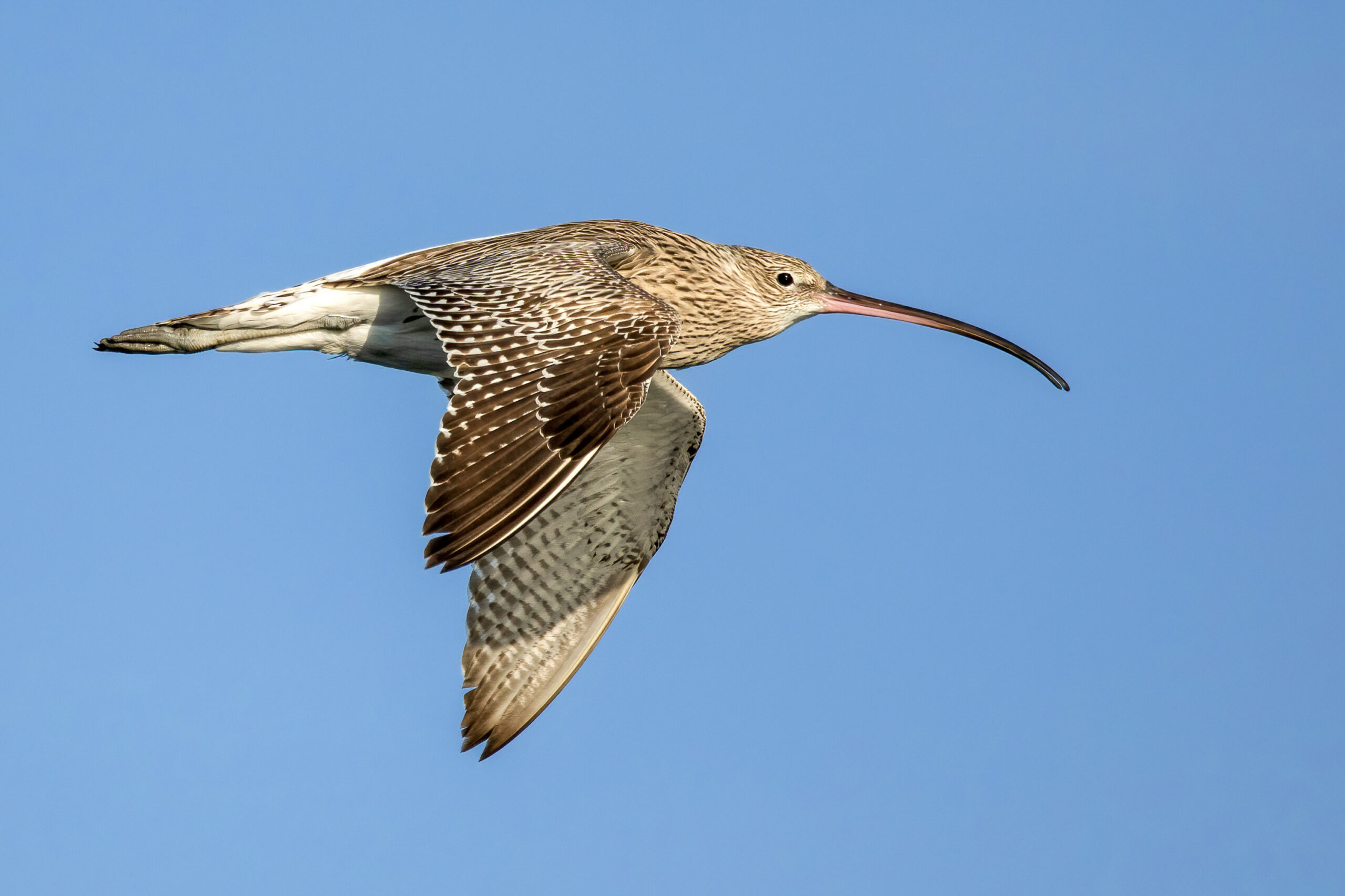
Eurasian Curlew
Numenius arquataOne of the most abundant Near Threatened species in the project. Its long decurved bill probes deep into mudflat sediment for worms and crustaceans.
 Near Threatened
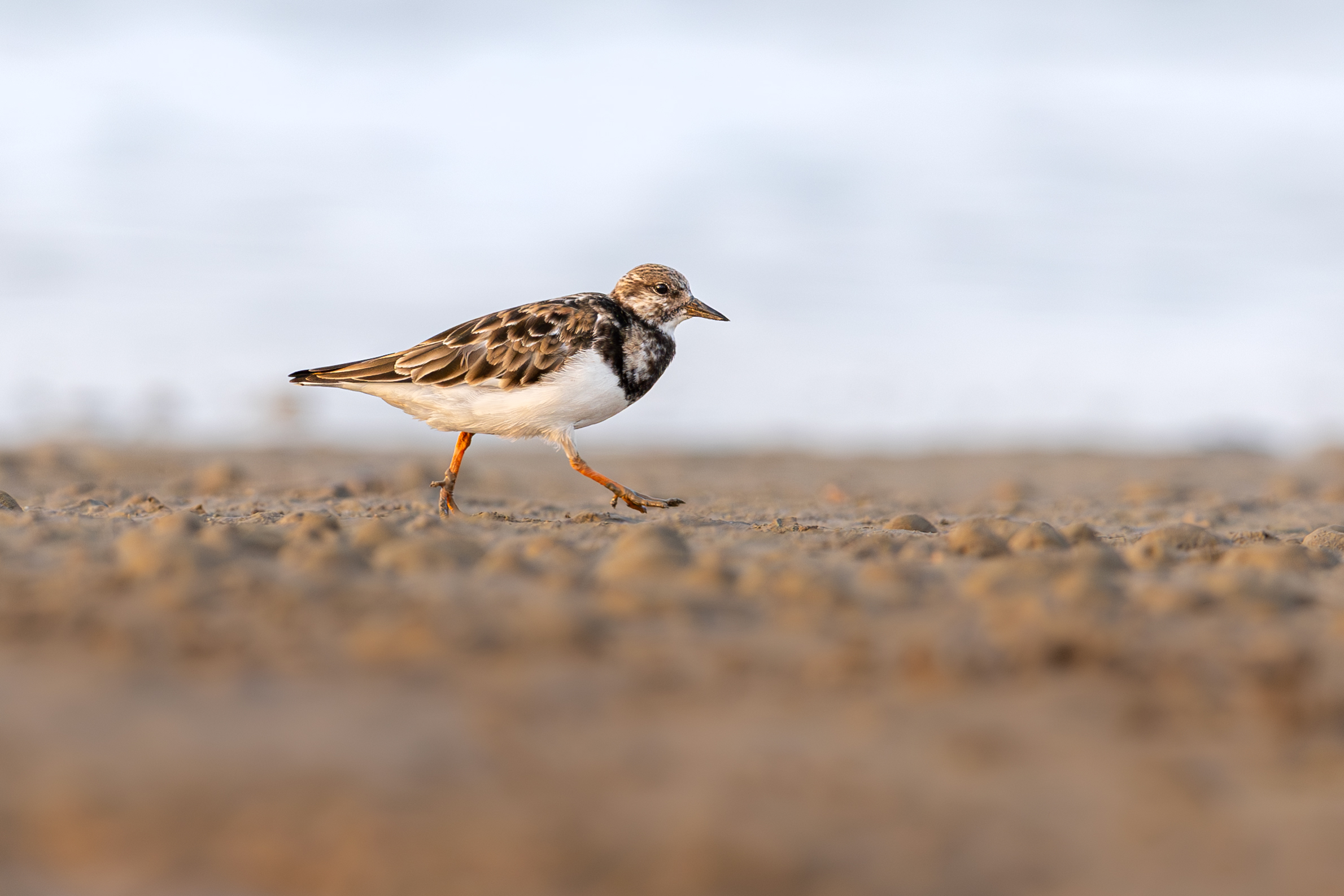
Ruddy Turnstone
Arenaria interpresNamed for its habit of flipping stones and debris to expose hidden prey. A stocky, energetic migratory shorebird of our coastlines and sandy beaches.
 Near Threatened
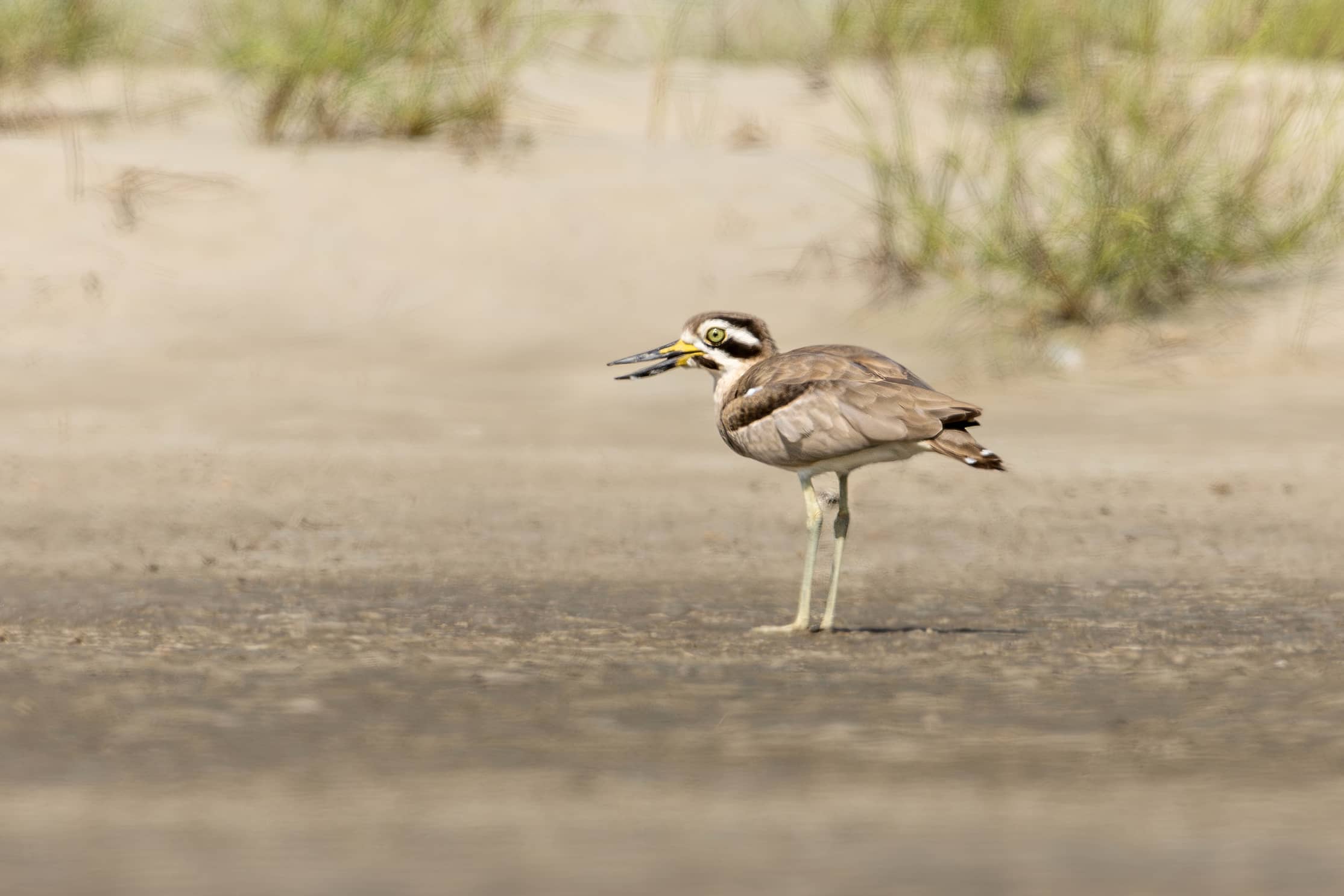
Great Thick-knee
Esacus recurvirostrisA cryptic nocturnal bird of sandy shores and riverbeds rarely documented in Sindh.
LATEST HIGHLIGHTS AND NEWS
Stay updated with our conservation initiatives and biodiversity discoveries from across the Delta Blue Carbon Project area, within the globally significant Indus Delta ecosystem.
Wildlife rediscovery
The Return of an Arctic Migrant After Three Decades
A remarkable rediscovery of the Great Knot along Pakistan's coastline highlights the importance of protecting coastal habitats.
Rare Wildlife
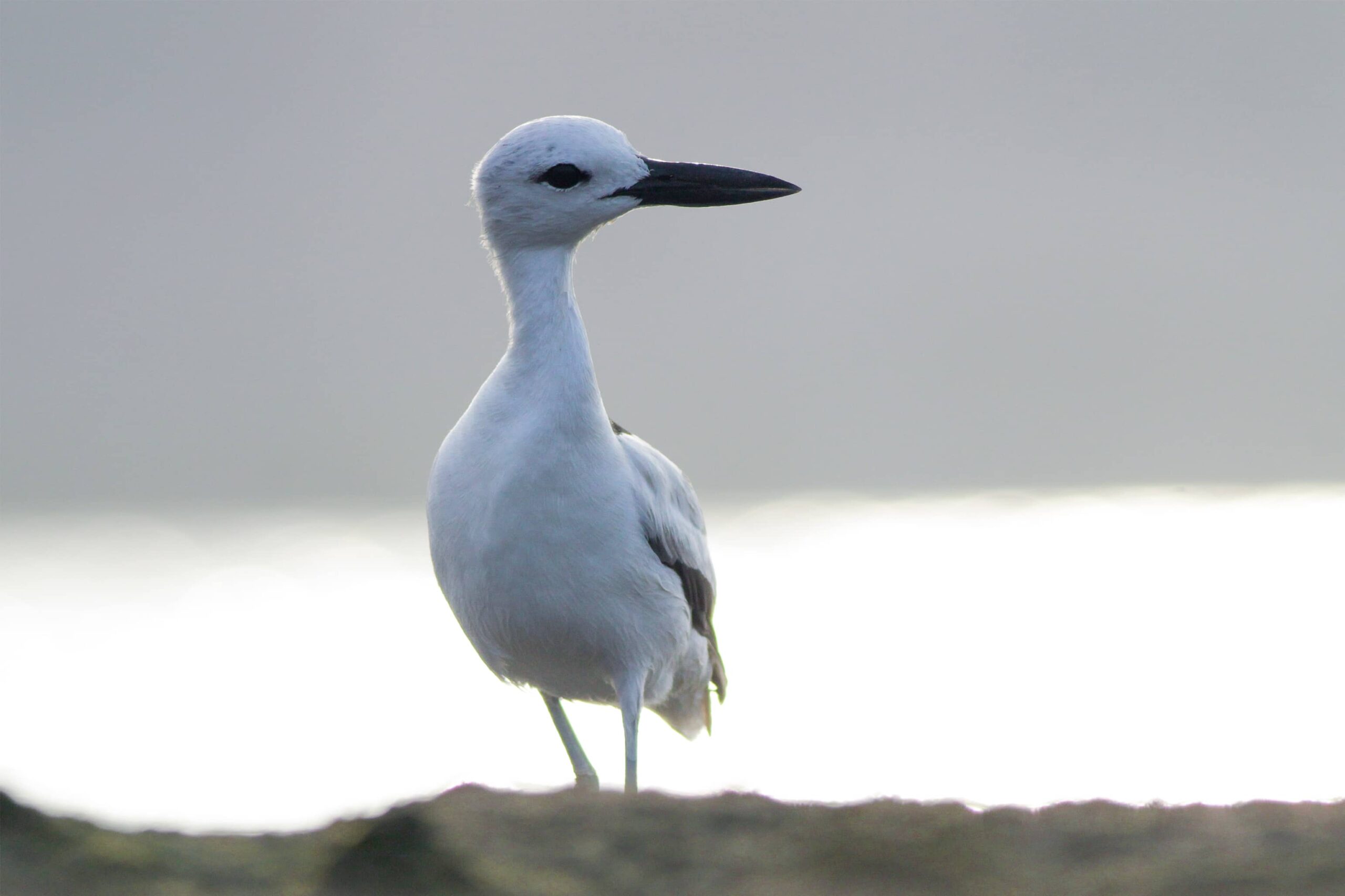
A Rare Coastal Visitor in the Indus Delta
The rare Crab Plover, a species with only a handful of records from Pakistan, was recorded twice within the Delta Blue Carbon (DBC-1) project area, highlighting the importance of these restored coastal habitats for supporting rare bird species.
Rare wildlife
Great Thick-knee in the Indus Delta Ecosystem
The Great Thick-knee, a master of camouflage, recorded across the sandy shores and tidal landscapes of the Delta Blue Carbon project area.